


Antibiotics and antifungals are two types of medications that are often used to treat infections, but they work in very different ways. As an antibiotics supplier, I've seen firsthand how important it is to understand these differences to ensure the right treatment for various conditions. In this blog, I'll break down the key differences between antibiotics and antifungals, including what they target, how they work, and when they're used.
What Are Antibiotics and Antifungals?
Let's start with the basics. Antibiotics are drugs designed to fight bacterial infections. They can either kill bacteria directly or stop them from growing and multiplying. On the other hand, antifungals are medications used to treat fungal infections. Fungi are a different type of microorganism compared to bacteria, and they require a different approach to treatment.
Target Organisms
The most obvious difference between antibiotics and antifungals is the type of organisms they target. Antibiotics are specifically designed to act against bacteria. Bacteria are single - celled organisms that can cause a wide range of illnesses, from minor skin infections to life - threatening diseases like pneumonia and meningitis.
Antifungals, as the name suggests, target fungi. Fungi can be single - celled (like yeast) or multi - celled (like molds). Fungal infections can affect different parts of the body, such as the skin, nails, and mucous membranes. Common fungal infections include athlete's foot, ringworm, and vaginal yeast infections.
Mechanisms of Action
Antibiotics
Antibiotics work in several ways. Some antibiotics, like penicillin and its derivatives, target the cell wall of bacteria. Bacteria have a cell wall that provides them with structure and protection. Penicillin - type antibiotics prevent the formation of this cell wall, causing the bacteria to burst and die.
Other antibiotics, such as Erythromycin Thiocyanate丨CAS 7704 - 67 - 8, work by interfering with the bacteria's protein synthesis. Proteins are essential for the bacteria's survival and function. By blocking protein production, these antibiotics stop the bacteria from growing and reproducing.
There are also antibiotics that affect the bacteria's DNA replication process. For example, fluoroquinolones prevent bacteria from properly copying their DNA, which ultimately leads to their death.
Antifungals
Antifungals have different mechanisms of action compared to antibiotics. Many antifungals target the cell membrane of fungi. Fungal cell membranes contain a substance called ergosterol, which is different from the cholesterol found in human cell membranes. Antifungal drugs like azoles inhibit the synthesis of ergosterol. Without ergosterol, the fungal cell membrane becomes unstable, leading to the death of the fungus.
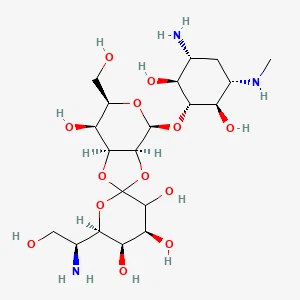
Some antifungals, such as Hygromycin B丨CAS 31282 - 04 - 9, also interfere with the fungal cell's ability to produce proteins. However, the way they do this is different from how antibiotics target bacterial protein synthesis.
Side Effects
Antibiotics
Antibiotics can have a range of side effects. One common side effect is diarrhea. This is because antibiotics can disrupt the normal balance of bacteria in the gut, leading to an overgrowth of certain harmful bacteria like Clostridium difficile. Other side effects may include allergic reactions, which can range from mild rashes to severe anaphylaxis.
Some antibiotics can also cause liver or kidney damage, especially if used for a long time or in high doses. For example, certain types of tetracyclines can cause liver problems in some patients.
Antifungals
Antifungals also have their own set of side effects. Many antifungals can cause gastrointestinal problems, such as nausea, vomiting, and abdominal pain. Some antifungals can affect the liver function, and regular liver function tests may be required during treatment.

Topical antifungals, which are used to treat skin and nail infections, can sometimes cause skin irritation, redness, or itching at the application site.
Resistance
Antibiotic Resistance
Antibiotic resistance is a major global health concern. Bacteria can develop resistance to antibiotics through various mechanisms. Over time, if antibiotics are overused or misused, bacteria can mutate and become resistant to the drugs. This means that the antibiotics are no longer effective in killing or controlling the bacteria.
For example, methicillin - resistant Staphylococcus aureus (MRSA) is a type of bacteria that has become resistant to many commonly used antibiotics. Treating MRSA infections can be very challenging and often requires the use of more powerful and expensive antibiotics.
Antifungal Resistance
Although not as well - known as antibiotic resistance, antifungal resistance is also emerging as a problem. Fungi can develop resistance to antifungal drugs, especially with the widespread use of these medications. For example, some strains of Candida, a type of yeast, have become resistant to azole antifungals. This makes treating yeast infections more difficult.
When to Use Antibiotics vs. Antifungals
Doctors determine whether to prescribe antibiotics or antifungals based on the type of infection. If a patient has symptoms of a bacterial infection, such as a high fever, purulent discharge, or signs of inflammation, antibiotics are usually the first choice. For example, if a patient has a strep throat, which is caused by bacteria, antibiotics like Cefotaxime丨CAS 63527 - 52 - 6 may be prescribed.
On the other hand, if the symptoms suggest a fungal infection, such as itching, redness, and a characteristic rash, antifungals are used. For instance, if a patient has athlete's foot, a topical antifungal cream would be recommended.
Conclusion
In summary, antibiotics and antifungals are two distinct types of medications with different targets, mechanisms of action, side effects, and resistance patterns. Understanding these differences is crucial for both healthcare providers and patients to ensure the appropriate use of these drugs.
As an antibiotics supplier, I'm committed to providing high - quality antibiotics to meet the needs of the medical community. If you're in the market for antibiotics and want to discuss your requirements or have any questions, I'd be more than happy to have a chat with you. Whether it's for research purposes or for medical treatment, we can work together to find the right solutions. Contact me to start a procurement discussion and let's find the best antibiotics for your specific needs.
References
- Murray, P. R., Rosenthal, K. S., & Pfaller, M. A. (2021). Medical Microbiology. Elsevier.
- Kavanagh, K., & Dowd, S. E. (2012). Antifungal Agents: Mode of Action, Mechanisms of Resistance, and Correlation of These Mechanisms with Bacterial Resistance. Clinical Microbiology Reviews, 25(1), 1–21.
- Levy, S. B., & Marshall, B. (2004). Antibacterial resistance worldwide: causes, challenges and responses. Nature Medicine, 10(12 Suppl), S122 - S129.


