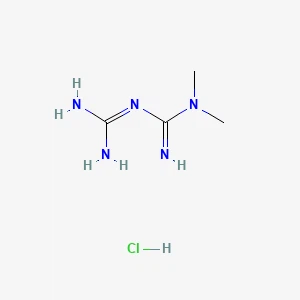
Hangzhou Leap Chem Co., Ltd. is one of the most professional manufacturers and suppliers of urethane丨cas 51-79-6 in China. Welcome to wholesale bulk high quality chemical products at competitive price from our factory. If you have any enquiry about custom service, please feel free to email us.
Specifications of Urethane丨CAS 51-79-6
|
Property |
Specification |
|
Appearance |
White crystal |
|
Purity (GC) |
99% min |
|
Water (KF) |
0.5% max |
|
Ash |
0.1% max |
|
Melting Point |
48–50°C |
Transport Information of Urethane丨CAS 51-79-6
|
Parameter |
Specification |
|
UN Number |
|
|
Class |
|
|
Packing Group |
|
|
H.S. Code |
2924199090305 |
|
Stability & Reactivity |
The product is chemically stable under standard ambient conditions (room temperature). |
|
Storage |
Tightly closed. Store in a closed, dry, ventilated place |
|
Condition to Avoid |
Water, air and high temperature |
|
Package |
Manufacturing Information of Urethane丨CAS 51-79-6
|
Parameter |
Specification |
|
Capacity |
3,500MT/year |
|
Frequency |
|
|
Main Export Countries |
|
|
Capacity/Batch |
|
|
Experience |
Production since 2001 |
|
Stock |
Overview
Urethane丨CAS 51-79-6, also known as ethyl carbamate, is an organic compound historically used in medical, chemical, and biological fields. Despite concerns over its carcinogenicity, it remains valuable in research settings and industrial processes. Urethane is structurally simple yet functionally versatile, enabling diverse applications ranging from polymer chemistry to laboratory anesthetics.
Applications of Urethane丨CAS 51-79-6
1. Biomedical Research
√ Laboratory Anesthetic (Historic Use)
● Urethane丨CAS 51-79-6 was once widely used as a general anesthetic in animal research due to its long-lasting sedative effects.
● Still occasionally used in specific neuroscience or physiological studies, particularly where a stable, long-duration anesthesia is required (e.g., electrophysiological recordings in rodents).
● Its slow metabolism and minimal cardiovascular interference make it suitable for sensitive experiments, though usage is now limited and heavily regulated.
√ Experimental Carcinogen Studies
● As a known carcinogen, urethane is used in experimental oncology to induce lung and liver tumors in animal models.
● It serves as a tool to study tumorigenesis mechanisms, mutagenicity, and chemical exposure risks in controlled laboratory environments.
2. Chemical Intermediate
√ Synthesis of Pharmaceuticals and Agrochemicals
● Used as a starting material or intermediate in the synthesis of various pharmaceutical compounds, fungicides, and herbicides.
● It participates in nucleophilic substitution, acylation, and carbamoylation reactions, owing to its dual functional groups (ester and amide-like moieties).
3. Polymer and Coating Industry
√ Precursor in Polyurethane Chemistry
● Although urethane itself is not directly used to make polyurethanes, its structure inspired the naming of the urethane linkage (-NH-CO-O-) in polyurethane materials.
● Urethane's chemical behavior helps model the reactivity of isocyanates with alcohols in polyurethane synthesis.
4. Analytical Chemistry
√ Standard and Reference Material
● Urethane is used in laboratories as a reference standard for chromatographic calibration and spectrophotometric assays.
√ Residue Testing in Foods and Alcoholic Beverages
● Due to its formation as a fermentation by-product, especially in alcoholic beverages like wine, brandy, and sake, urethane is closely monitored by food safety authorities.
● Analytical labs use urethane for method validation, residue testing, and toxicity profiling.
5. Veterinary and Zoological Research
● In some research protocols, urethane remains a preferred anesthetic for small mammals where long-term monitoring is essential without repeated doses.
● Allows for stable electrophysiological recordings and respiratory monitoring in anesthetized animals.
Benefits of Urethane丨CAS 51-79-6
√ Long-Acting Anesthetic Properties
● Urethane丨CAS 51-79-6 produces smooth and prolonged anesthesia in animal models with minimal reflex stimulation, aiding long-term physiological observations.
● Advantageous in respiratory and cardiovascular studies, as it interferes less with baseline functions compared to some alternatives.
√ Chemical Versatility
● Urethane's dual functionality (ethyl ester and carbamate) allows it to participate in diverse organic synthesis reactions, facilitating pharmaceutical and agrochemical development.
√ High Solubility
● Soluble in aqueous and organic media, making it easy to handle in both lab assays and synthesis reactions.
√ Cost-Effective Research Tool
● Readily available and inexpensive, urethane serves as a valuable model compound in both toxicology and drug metabolism studies.
Conclusion
Urethane丨CAS 51-79-6, though limited in its modern applications due to toxicity concerns, still serves as an important compound in scientific research, organic synthesis, and analytical chemistry. Its use in experimental biology, especially in animal studies, continues under strict guidelines. Meanwhile, its historical and structural relevance to polyurethane development cements its place in the chemical sciences.