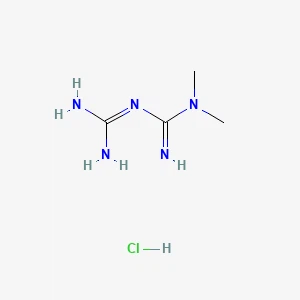
Hangzhou Leap Chem Co., Ltd. is one of the most professional manufacturers and suppliers of streptozocin丨cas 18883-66-4 in China. Welcome to wholesale custom made chemical products at competitive price from our factory. For more cheap products, contact us now.
Specifications of Streptozocin丨18883-66-4
|
Property |
Value |
|
Appearance |
Pale yellow crystalline powder |
|
Purity |
98% min |
|
α Isomer |
75% min |
|
Water |
3.0% max |
Transport Information of Streptozocin丨18883-66-4
|
Parameter |
Specification |
|
UN Number |
|
|
Class |
|
|
Packing Group |
|
|
H.S. Code |
2941909099 |
|
Stability & Reactivity |
Stable |
|
Storage |
Tightly closed. Store in a closed, dry, ventilated place |
|
Condition to Avoid |
Moisture-proof, strong heating |
|
Package |
Introduction
Streptozocin丨18883-66-4 is a naturally occurring compound that is primarily used in the treatment of certain cancers and as a chemotherapeutic agent. It is an antineoplastic (anti-cancer) drug that is especially effective against pancreatic neuroendocrine tumors. Streptozocin is derived from the bacterium Streptomyces achromogenes and is also used in experimental research for its ability to selectively destroy insulin-producing cells in the pancreas.
Mechanism of Action
Streptozocin's mechanism of action involves its ability to alkylate DNA, particularly in pancreatic beta cells. By introducing an alkyl group into the DNA, it disrupts the DNA replication process, leading to cell death. Streptozocin丨18883-66-4 has a preferential toxicity to the insulin-producing beta cells of the pancreas, which is why it is most often used for treating pancreatic neuroendocrine tumors (specifically, insulinomas).
Because streptozocin targets rapidly dividing cells and is highly toxic to certain types of cells, it is considered a cytotoxic chemotherapy agent. It is selectively more toxic to neuroendocrine tumor cells, especially those in the pancreas, which are responsible for insulin secretion.
Uses of Streptozocin丨18883-66-4
Cancer Treatment:
Pancreatic Neuroendocrine Tumors: Streptozocin丨18883-66-4 is primarily used in the treatment of pancreatic neuroendocrine tumors (PNETs), especially insulinomas (tumors that produce excessive insulin). It is effective in reducing tumor size and improving the prognosis in patients with advanced pancreatic cancer or metastatic insulinomas.
It is used as part of chemotherapy regimens, sometimes in combination with other drugs like 5-fluorouracil (5-FU) or doxorubicin, depending on the tumor type and clinical scenario.
Research and Experimental Use:
Beta-Cell Destruction: Streptozocin丨18883-66-4 is used in experimental studies to induce beta-cell destruction in laboratory animals (such as rodents). This model is useful in researching diabetes and understanding the pathophysiology of insulin-producing cells. The selective toxicity of streptozocin towards pancreatic beta cells makes it valuable in these kinds of investigations.
It has been used to induce type 1 diabetes in experimental animals to study the effects of the disease and to evaluate potential therapeutic interventions.
Chemotherapy for Other Cancers:
While its primary application is in the treatment of pancreatic cancer, streptozocin is also occasionally used for other neuroendocrine tumors, such as those found in the liver or lungs, though its use for these indications is less common.
Conclusion
Streptozocin丨18883-66-4 is a highly specialized chemotherapy drug that is primarily used to treat pancreatic neuroendocrine tumors, particularly insulinomas, by selectively targeting insulin-producing cells in the pancreas. It is also valuable in experimental diabetes research due to its ability to destroy pancreatic beta cells. Despite its therapeutic benefits, streptozocin has a range of potential side effects, including kidney toxicity, bone marrow suppression, and gastrointestinal issues. Its use requires careful monitoring of renal function, blood counts, and electrolyte levels. Streptozocin should only be used in appropriate clinical settings with close supervision.