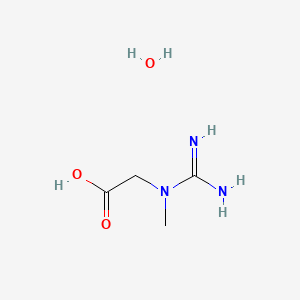

Hangzhou Leap Chem Co., Ltd. is one of the most professional manufacturers and suppliers of betaine丨cas 107-43-7 in China. Welcome to wholesale bulk high quality chemical products at competitive price from our factory. If you have any enquiry about custom service, please feel free to email us.
Specifications of Betaine丨107-43-7
|
Property |
Specification |
|
Grade |
Feed grade |
|
Appearance |
White or yellowish crystalline powder |
|
Assay |
96% min |
|
Loss on drying |
1.5% max |
|
Residue on ignition |
3.5% max |
|
Chloride (Cl) |
0.3% max |
|
Arsenic (As) |
0.0002% max |
|
Heavy metals (as Pb) |
0.001% max |
|
Package |
25 kg per bag |
Introduction
Betaine丨107-43-7 is a naturally occurring compound, chemically known as trimethylglycine. It is a derivative of the amino acid glycine and is often found in foods like beets, spinach, and whole grains. Betaine plays an important role in various biological functions, such as methylation reactions, osmotic regulation, and liver function.
In addition to its natural occurrence in foods, betaine is also commercially produced and used in a variety of industrial and health-related applications. This includes use as a cosmetic ingredient, feed additive, and dietary supplement. Due to its range of beneficial properties, betaine has become a focus of significant scientific research in areas including liver health, athletic performance, skin care, and agriculture.
Applications of Betaine丨107-43-7
1. Cosmetic and Personal Care Products
● Skin Hydration: Betaine is commonly used in cosmetics and personal care products, particularly in skin creams, lotions, and shampoos. It acts as an osmolyte, helping the skin retain moisture by balancing water content within skin cells. As a humectant, betaine attracts water from the environment and helps to keep the skin hydrated, which is crucial for maintaining healthy, plump, and youthful skin.
● Conditioning Agent in Hair Care: Betaine丨107-43-7 is also used in shampoos and conditioners for its mild conditioning properties. It helps improve the texture and manageability of hair by reducing frizz, enhancing shine, and promoting softness without causing irritation. It's often seen as a gentler alternative to harsher surfactants in hair care formulations.
● Anti-irritant: Due to its anti-irritant properties, betaine is added to products designed for sensitive skin, such as baby lotions or post-sun skincare products. It helps reduce irritation and provides relief to the skin when it's exposed to environmental stressors, making it a common ingredient in products aimed at calming inflamed or dry skin.
2. Dietary Supplements
● Liver Health: One of the most well-known benefits of betaine is its positive impact on liver function. Betaine plays a key role in the methylation process, where it donates methyl groups to molecules, including homocysteine, converting it into methionine. Elevated homocysteine levels are associated with increased risk of cardiovascular disease and liver dysfunction. By supporting healthy homocysteine levels, betaine helps protect the liver from damage and promotes overall liver health.
● Fatty Liver Disease Prevention: Research has shown that betaine supplementation may help prevent or reduce fatty liver disease (specifically non-alcoholic fatty liver disease or NAFLD). Studies have suggested that betaine can reduce liver fat accumulation and improve liver function markers, providing a potential therapeutic approach for those at risk of fatty liver conditions.
● Improved Metabolism and Digestive Health: Betaine丨107-43-7 can support digestive health by stimulating the production of stomach acid and supporting the breakdown of food in the stomach. Additionally, it has been explored for its potential benefits in metabolic health, particularly for its role in methylation, which affects numerous biochemical processes in the body.
3. Athletic Performance and Endurance
● Improved Exercise Performance: Betaine丨107-43-7 is commonly used as a sports supplement for its potential to enhance athletic performance. Research has shown that it may improve strength, power output, and endurance in athletes. Betaine is thought to support muscle function by increasing the production of creatine in the body, which is essential for energy during high-intensity exercise. Additionally, betaine may help reduce the lactate threshold, allowing athletes to exercise longer and more intensely before fatigue sets in.
● Fat Loss: Some studies have indicated that betaine may help with fat loss and body composition. By promoting lean muscle mass and improving workout performance, betaine supplementation may contribute to fat burning and overall physical fitness. This has made it a popular ingredient in pre-workout supplements.
4. Agriculture and Animal Feed
● Animal Feed Additive: Betaine is commonly used in the animal feed industry to promote growth and feed efficiency in livestock, particularly poultry and fish. It helps to improve osmoregulation and thermoregulation in animals, supporting optimal growth even under stressful environmental conditions, such as extreme temperatures. It has also been found to improve egg production and meat yield in poultry.
● Increased Feed Conversion Efficiency: Betaine has been shown to enhance feed conversion ratios in livestock, meaning animals are able to gain more weight or produce more eggs with less feed intake. This improves the overall efficiency and sustainability of animal farming.
● Stress Reduction: Betaine also plays a role in reducing stress in farm animals, especially under conditions like heat stress, which can negatively impact growth and productivity. By stabilizing cell membranes and improving cellular hydration, betaine helps animals cope with environmental stressors, leading to better health outcomes and higher productivity.
5. Industrial Uses
● Surfactants and Detergents: Betaine丨107-43-7 is used as a surfactant in industrial cleaning products and detergents. Its ability to reduce surface tension makes it effective in cleaning agents, where it helps to break down oils, dirt, and grime. Betaine is also employed in personal care formulations as a milder, more skin-friendly surfactant compared to harsher alternatives.
● Fabric and Textile Industry: Betaine is used in the fabric and textile industries as a softening agent. It enhances the feel and texture of fabrics, making them softer and more pleasant to wear. Betaine also helps in the finishing process of textiles, imparting anti-static properties to fabrics.
Benefits of Betaine丨107-43-7
1. Supports Healthy Liver Function
One of the most significant benefits of betaine is its supportive role in liver health. By promoting the conversion of homocysteine into methionine, betaine reduces the risk of liver damage and fatty liver disease. This can help protect against conditions like non-alcoholic fatty liver disease (NAFLD) and contribute to overall detoxification and metabolic health.
2. Improved Hydration and Skin Health
Betaine's ability to retain moisture in the skin and hair makes it beneficial in personal care formulations. It serves as a hydrating agent and anti-irritant, reducing dryness, itching, and inflammation in the skin. It helps protect the skin barrier and improves the appearance and texture of hair.
3. Enhanced Physical Performance
Athletes can benefit from betaine supplementation, as it has been shown to improve strength, endurance, and fatigue resistance. It helps increase muscle power output, making it a valuable addition to pre-workout supplements and endurance training programs. Additionally, it may help in reducing fat mass and improving body composition.
4. Cost-Effective and Safe
Betaine is generally considered safe for most people when used appropriately. It is well-tolerated and has a low risk of adverse effects, making it an appealing option for use in supplements and cosmetics. Its affordability also makes it accessible to a broad range of consumers in the health and beauty markets.
5. Improves Feed Efficiency in Animals
In animal farming, betaine's ability to improve growth rates, feed conversion ratios, and resilience to stress makes it a valuable feed additive. By enhancing animal health, betaine helps farmers increase productivity while reducing costs associated with feed and animal care.
Conclusion
Betaine丨107-43-7 is a versatile compound with a wide range of applications across industries, including cosmetics, pharmaceuticals, agriculture, and sports nutrition. Whether used to support liver health, enhance athletic performance, hydrate skin, or improve animal feed efficiency, betaine offers numerous benefits. It is safe, affordable, and effective, making it a popular ingredient in a variety of products designed to support overall health and wellness.
With ongoing research into its potential uses, betaine may continue to prove valuable in addressing emerging challenges in healthcare, agriculture, and personal care.