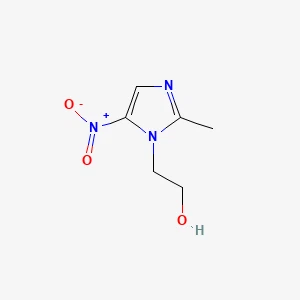

Hangzhou Leap Chem Co., Ltd. is one of the most professional manufacturers and suppliers of d-glucose-6-phosphate disodium salt丨cas 3671-99-6 in China. Welcome to wholesale bulk high quality chemical products at competitive price from our factory. If you have any enquiry about custom service, please feel free to email us.
Specifications of D-Glucose-6-phosphate disodium salt丨3671-99-6
|
Property |
Specification |
|
Appearance |
White to off-white crystalline powder |
|
Purity |
98.0% min |
|
Water |
15.0% max |
Transport Information of D-Glucose-6-phosphate disodium salt丨3671-99-6
|
Parameter |
Specification |
|
UN Number |
|
|
Class |
|
|
Packing Group |
|
|
H.S. Code |
2940009090101 |
|
Stability & Reactivity |
Stable |
|
Storage |
Tightly closed. -20℃. |
|
Condition to Avoid |
|
|
Package |
Introduction of D-Glucose-6-phosphate disodium salt丨3671-99-6
D-Glucose-6-phosphate disodium salt丨3671-99-6 is the disodium salt of D-glucose-6-phosphate, a crucial intermediate in various metabolic pathways. It is primarily involved in the glucose metabolism and cellular energy production. This compound plays a pivotal role in processes like glycolysis, gluconeogenesis, and the pentose phosphate pathway. As a phosphorylated sugar, glucose-6-phosphate (G6P) is a key player in regulating blood sugar levels, energy production, and cellular homeostasis.
Applications of D-Glucose-6-phosphate disodium salt丨3671-99-6
1. Biochemical Research and Metabolism Studies
D-Glucose-6-phosphate disodium salt is frequently used in biochemical and metabolic research. Its role as a metabolite in key metabolic pathways makes it an essential tool for studying glucose metabolism and the enzymes involved in glycolysis, the pentose phosphate pathway, and gluconeogenesis. Researchers can use glucose-6-phosphate in in vitro studies to investigate how the body processes sugars, metabolizes energy, and maintains cellular function.
● Glycolysis Studies: Glucose-6-phosphate is a central intermediate in the glycolytic pathway, and studying its role can help researchers better understand energy production and cellular respiration. It is commonly used to study the regulation of glucose breakdown, energy extraction, and the production of ATP.
● Pentose Phosphate Pathway: This pathway, which operates alongside glycolysis, is involved in cellular antioxidant defense and biosynthesis. Glucose-6-phosphate is converted into ribose-5-phosphate and NADPH through the pentose phosphate pathway, supporting the synthesis of nucleotides and maintaining redox balance in cells.
2. Enzyme Assays and Diagnostics
D-Glucose-6-phosphate disodium salt丨3671-99-6 is used in enzyme assays to measure the activity of enzymes like glucose-6-phosphate dehydrogenase (G6PD). G6PD plays a critical role in protecting red blood cells from oxidative damage and is involved in maintaining cellular energy balance. It is also used to study other enzymes that act on glucose-6-phosphate in both the glycolysis and gluconeogenesis pathways.
● G6PD Deficiency Diagnostics: As part of diagnostic assays, D-glucose-6-phosphate is used to test for G6PD deficiency, a common genetic disorder affecting red blood cell function. By measuring the enzyme's activity in a patient's sample, researchers can diagnose G6PD deficiency, which can lead to hemolytic anemia under stress or when exposed to certain medications.
● NADP/NADPH Cycle: It is also useful in assays that measure the NADP/NADPH cycle, as glucose-6-phosphate is involved in the production of NADPH, a crucial molecule for cellular reductive biosynthesis and protection against oxidative stress.
3. Energy Metabolism Studies
As a key metabolite in cellular energy metabolism, glucose-6-phosphate is crucial in ATP production and energy balance. Researchers use D-glucose-6-phosphate disodium salt to examine energy metabolism in cells, particularly in skeletal muscle, liver, and fat cells. Its role in cellular respiration, especially within the mitochondria and cytoplasm, helps understand how energy is generated and utilized within cells.
● Cellular Energy Production: Glucose-6-phosphate is a substrate for the hexose monophosphate shunt and glycogen synthesis, making it a critical component for understanding how cells store and utilize energy. By using glucose-6-phosphate in research, scientists can explore how cells regulate energy production in response to various metabolic states, including exercise, fasting, and stress.
4. Pharmaceutical and Nutritional Applications
D-Glucose-6-phosphate disodium salt丨3671-99-6 is also investigated in the context of drug discovery and nutritional supplements. Its role in glucose metabolism and energy production makes it a potential ingredient in formulations designed to support diabetic patients or those with metabolic disorders.
● Diabetes Research: Glucose-6-phosphate is involved in regulating blood sugar levels and insulin sensitivity. In the context of diabetes research, D-glucose-6-phosphate is used to study the regulatory mechanisms that control glucose uptake, storage, and release. This can lead to the development of therapeutic strategies aimed at improving insulin resistance and glucose management.
● Nutritional Supplements: Some nutritional supplements that support metabolic health, cellular energy, or blood sugar regulation may contain D-glucose-6-phosphate as an ingredient. These supplements aim to improve the body's ability to metabolize glucose and maintain stable blood sugar levels, particularly in individuals at risk for metabolic diseases like diabetes.
5. Industrial and Biotechnology Applications
In industrial and biotechnology settings, D-glucose-6-phosphate disodium salt is used as a key component in fermentation processes and biocatalysis. It serves as a substrate in the production of other chemicals, including biofuels and bioplastics, by various microorganisms. The compound is also involved in the synthesis of pharmaceutical intermediates and bio-based chemicals through engineered metabolic pathways.
● Biofuel Production: D-glucose-6-phosphate is used in the fermentation of sugars to produce bioethanol and other biofuels, providing an alternative to traditional fossil fuels. Microorganisms like yeasts use glucose-6-phosphate to generate energy, which can then be harnessed for industrial-scale fuel production.
● Biocatalysis: The compound plays a role in enzyme-catalyzed processes used to produce various biochemicals, enabling more sustainable and environmentally friendly production methods in the chemical industry.
Benefits of D-Glucose-6-phosphate disodium salt丨3671-99-6
1.Metabolic Pathway Intermediary: D-Glucose-6-phosphate disodium salt丨3671-99-6 is a vital intermediate in key metabolic pathways, including glycolysis, gluconeogenesis, and the pentose phosphate pathway. It is crucial for the regulation of energy production and cellular function.
2.Enzyme Assays: It is widely used in enzyme assays to study metabolic enzymes like glucose-6-phosphate dehydrogenase and other key enzymes involved in glucose metabolism. This is particularly important in the diagnosis and understanding of metabolic disorders.
3.Energy Metabolism: As a source of energy within cells, glucose-6-phosphate supports ATP production, making it essential for understanding energy metabolism, especially in muscles and other active tissues.
4.Blood Sugar Regulation: The compound is involved in the regulation of blood glucose levels, which makes it an important focus in diabetes research and the development of new therapeutic strategies for managing metabolic diseases.
5.Biotechnology and Industrial Applications: D-glucose-6-phosphate serves as a substrate in industrial applications such as biofuel production and biocatalysis, supporting more sustainable chemical production processes.
Conclusion
D-Glucose-6-phosphate disodium salt丨3671-99-6 is a highly versatile compound with critical applications in biochemical research, enzymatic assays, and metabolic studies. Its involvement in key metabolic pathways, such as glycolysis and the pentose phosphate pathway, makes it an essential molecule for understanding cellular energy regulation, and its applications extend from drug development to industrial bioprocessing. Given its importance in glucose metabolism, the compound holds significant potential for advancing our understanding of metabolic health and disease.