
Pregnancy is a remarkable journey filled with numerous physical and physiological changes for women. Ensuring adequate nutrition, especially the intake of essential vitamins, is crucial for the health of both the mother and the developing fetus. As a trusted vitamins supplier, I understand the significance of these nutrients and their impact on pregnancy. In this blog, I'll delve into the key vitamins that are vital for pregnant women, explaining their functions, sources, and the importance of maintaining proper levels.
Folic Acid (Vitamin B9)
Folic acid is perhaps one of the most well - known vitamins for pregnancy. It plays a fundamental role in DNA synthesis and cell division, which are critical processes during the early stages of fetal development. Adequate folic acid intake in the first trimester can significantly reduce the risk of neural tube defects in the baby, such as spina bifida and anencephaly.
The recommended daily intake of folic acid for pregnant women is 600 micrograms. Natural sources of folic acid include leafy green vegetables, citrus fruits, beans, and fortified cereals. However, it can be challenging to meet the increased requirements through diet alone, which is why many healthcare providers recommend folic acid supplements. As a vitamins supplier, I offer high - quality folic acid supplements that are formulated to meet the specific needs of pregnant women.
Vitamin D
Vitamin D is essential for the absorption of calcium and phosphorus, which are necessary for the development of the baby's bones and teeth. During pregnancy, the mother's body needs to supply these minerals to support the growing fetus. Vitamin D also plays a role in the immune system and may help prevent complications such as pre - eclampsia.
Sunlight is the primary natural source of vitamin D. However, factors such as limited sun exposure, sunscreen use, and geographical location can make it difficult for pregnant women to get enough vitamin D from sunlight alone. Dietary sources of vitamin D include fatty fish (such as salmon and mackerel), egg yolks, and fortified dairy products. In many cases, vitamin D supplements are recommended. Our company provides vitamin D supplements that are carefully formulated to ensure optimal absorption and effectiveness.
Iron
Iron is a crucial mineral during pregnancy as it is needed to produce hemoglobin, a protein in red blood cells that carries oxygen throughout the body. Pregnant women need more iron to support the increased blood volume and to provide oxygen to the developing fetus. Iron deficiency during pregnancy can lead to anemia, which is associated with fatigue, weakness, and an increased risk of preterm birth and low birth weight.
Good dietary sources of iron include red meat, poultry, fish, beans, and fortified cereals. However, the iron from plant - based sources (non - heme iron) is not as easily absorbed as the iron from animal sources (heme iron). Vitamin C can enhance the absorption of non - heme iron. As a vitamins supplier, I offer iron supplements that are combined with vitamin C to improve absorption and help pregnant women meet their iron requirements.
Calcium
Calcium is essential for the development of the baby's bones and teeth. During pregnancy, the mother's body transfers calcium to the fetus, and if the mother does not consume enough calcium, her own bones may be at risk. Adequate calcium intake also helps maintain the mother's normal blood pressure and muscle function.
Dairy products such as milk, cheese, and yogurt are excellent sources of calcium. Other sources include leafy green vegetables, tofu, and fortified orange juice. Pregnant women who do not consume enough calcium through their diet may need calcium supplements. Our calcium supplements are formulated to provide the right amount of calcium in a highly absorbable form.
Vitamin B6
Vitamin B6 is involved in over 100 enzyme reactions in the body, including the metabolism of proteins, carbohydrates, and fats. It also plays a role in the production of neurotransmitters such as serotonin and dopamine, which can help regulate mood. During pregnancy, vitamin B6 may help relieve nausea and vomiting, a common symptom in the first trimester.


Good dietary sources of vitamin B6 include poultry, fish, bananas, potatoes, and fortified cereals. However, some pregnant women may need a vitamin B6 supplement, especially if they are experiencing severe nausea and vomiting. Our vitamin B6 supplements are designed to provide the necessary support during pregnancy.
Riboflavin丨CAS 83 - 88 - 5
Riboflavin, also known as vitamin B2, is involved in energy production, antioxidant defense, and cell growth. During pregnancy, riboflavin is important for the development of the fetus and the overall health of the mother. It helps convert food into energy, which is crucial as the mother's body works harder to support the growing baby.
Food sources of riboflavin include milk, eggs, meat, mushrooms, and green leafy vegetables. However, maintaining optimal riboflavin levels can be challenging, especially for pregnant women with dietary restrictions. Our riboflavin supplements can help ensure that pregnant women get an adequate amount of this important vitamin.
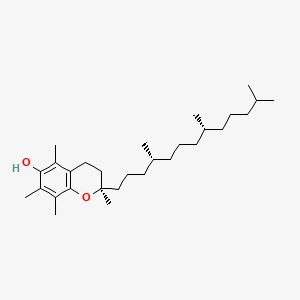
Vitamin E丨CAS 59 - 02 - 9
Vitamin E is a powerful antioxidant that helps protect cells from damage caused by free radicals. During pregnancy, it plays a role in the development of the baby's nervous system and red blood cells. Vitamin E also helps support the immune system and may reduce the risk of certain pregnancy - related complications.
Good dietary sources of vitamin E include nuts, seeds, vegetable oils, and leafy green vegetables. However, as with other vitamins, it can be difficult to meet the increased requirements during pregnancy through diet alone. Our vitamin E supplements are formulated to provide a safe and effective way for pregnant women to get the necessary amount of this vitamin.
Hesperidin丨CAS 520 - 26 - 3
Hesperidin is a flavonoid found in citrus fruits. It has antioxidant and anti - inflammatory properties, which can be beneficial during pregnancy. Hesperidin may help reduce the risk of oxidative stress and inflammation, which are associated with various pregnancy complications. It also has potential benefits for blood vessel health, which is important for the proper circulation of blood to the fetus.
While citrus fruits are a natural source of hesperidin, our hesperidin supplements offer a concentrated and convenient way for pregnant women to obtain this beneficial compound.
In conclusion, the proper intake of vitamins during pregnancy is of utmost importance for the health of both the mother and the baby. As a vitamins supplier, I am committed to providing high - quality supplements that are specifically formulated to meet the unique needs of pregnant women. Our products are carefully sourced, tested, and manufactured to ensure safety and effectiveness.
If you are a healthcare provider looking for reliable vitamin supplements for your pregnant patients or a pregnant woman seeking high - quality vitamins, I encourage you to contact me for more information and to discuss your specific needs. We can work together to ensure that you or your patients receive the best possible nutritional support during this important stage of life.
References
- American College of Obstetricians and Gynecologists. (2023). Nutrition During Pregnancy.
- Institute of Medicine. (2009). Dietary Reference Intakes for Calcium and Vitamin D.
- World Health Organization. (2022). Iron Supplementation in Pregnancy.