Fluorescein is a well - known organic compound with a wide range of applications in various fields, such as medical diagnostics, environmental monitoring, and the scientific research. As a fluorescein supplier, I often receive inquiries about whether fluorescein can be used in the food industry. In this blog, I will explore this question from multiple aspects, including the properties of fluorescein, relevant regulations, and potential applications.
Properties of Fluorescein
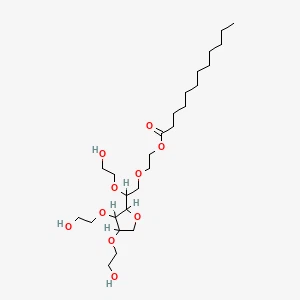
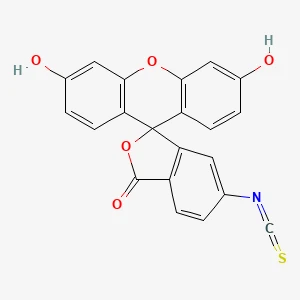
Fluorescein is a synthetic organic compound that exhibits strong fluorescence under certain conditions. It has a high molar extinction coefficient and a large Stokes shift, which makes it highly visible and easily detectable. There are different forms of fluorescein, such as Fludrocortisone Acetate丨CAS 514 - 36 - 3, Fluorescein 6 - isothiocyanate丨CAS 18861 - 78 - 4, and 5 - Fluorescein Phosphoramidite丨CAS 204697 - 37 - 0. Each form has its own unique chemical and physical properties, which determine their potential uses.
The bright fluorescence of fluorescein makes it an attractive candidate for applications where visual or spectroscopic detection is required. In the laboratory, it is commonly used as a fluorescent tracer to study the movement of molecules, cells, or fluids. However, when considering its use in the food industry, we need to take into account not only its fluorescence properties but also its safety and regulatory compliance.
Safety Considerations
One of the most critical factors in determining whether fluorescein can be used in the food industry is its safety for human consumption. Fluorescein has been used in some medical applications, such as ophthalmic examinations, where it is injected into the body to help visualize blood vessels in the eye. In these cases, the amount of fluorescein used is carefully controlled, and the compound is generally considered safe when used as directed.
However, the situation is different in the food industry. The human body may be exposed to fluorescein over a long - term and in different ways when it is added to food. There is limited research on the long - term effects of ingesting fluorescein in food. Some studies have suggested that high - dose exposure to certain forms of fluorescein may have potential toxic effects, such as genotoxicity and cytotoxicity.
Regulatory agencies around the world have strict requirements for food additives. They conduct extensive safety assessments to ensure that any substance added to food is safe for human consumption. As of now, fluorescein is not widely recognized as a food - grade additive in most countries. Before it can be used in the food industry, comprehensive toxicological studies need to be conducted to evaluate its safety at different doses and exposure scenarios.

Regulatory Status
The regulatory status of fluorescein in the food industry varies from country to country. In the United States, the Food and Drug Administration (FDA) has a rigorous process for approving food additives. As of the current time, fluorescein has not been approved as a direct food additive. Any company or individual wishing to use fluorescein in food would need to submit a petition to the FDA, which includes detailed data on the safety, technical function, and proposed use levels of the substance.
In the European Union, the European Food Safety Authority (EFSA) is responsible for evaluating the safety of food additives. Similar to the FDA, EFSA requires extensive scientific evidence to support the safety of a substance before it can be approved for use in food. Without proper regulatory approval, the use of fluorescein in food products in the EU would be illegal.
Potential Applications in the Food Industry
Despite the current regulatory challenges, there are some potential applications of fluorescein in the food industry if its safety can be established.
Quality Control and Traceability
Fluorescein could be used as a fluorescent marker for quality control purposes. For example, it could be added to food products during the manufacturing process to help detect counterfeiting or adulteration. By using a fluorescent detector, it would be possible to quickly identify whether a product contains the correct amount of the marker, which could indicate its authenticity and quality.
In addition, fluorescein could be used for traceability in the food supply chain. It could be added to raw materials or intermediate products, allowing producers and regulators to track the movement of food products from the farm to the table. This would enhance food safety and help in the event of a food - borne illness outbreak.
Sensory Enhancement
Fluorescein's bright fluorescence could potentially be used for sensory enhancement in food products. For example, it could be used to create visually appealing food items, especially in the confectionery or novelty food market. However, this application would require strict control of the amount of fluorescein used to ensure safety and compliance with regulations.
Challenges and Future Prospects
The main challenge in using fluorescein in the food industry is overcoming the safety and regulatory hurdles. As mentioned earlier, more research is needed to fully understand the long - term effects of ingesting fluorescein. This includes studies on its metabolism, distribution, and potential interactions with other food components.
On the other hand, if the safety of fluorescein can be established and it receives regulatory approval, it could open up new opportunities in the food industry. The unique fluorescence properties of fluorescein could bring innovation to food quality control, traceability, and sensory experience.
Conclusion
In conclusion, while fluorescein has some potential applications in the food industry, its use is currently limited due to safety and regulatory concerns. As a fluorescein supplier, I am aware of the importance of ensuring the safety of our products. We are committed to supporting further research on the safety of fluorescein and working with regulatory agencies to explore the possibility of its use in the food industry.
If you are interested in learning more about fluorescein or have any questions regarding its potential applications, please feel free to contact us for further discussion and potential procurement opportunities. We look forward to the opportunity to collaborate with you in exploring the future of fluorescein in various industries.
References
- EFSA. (20XX). Scientific opinions on food additives. European Food Safety Authority.
- FDA. (20XX). Food additive regulations and petitions. U.S. Food and Drug Administration.
- Various scientific research papers on the toxicology and applications of fluorescein.