Amino acids are fundamental building blocks of life, playing a crucial role in numerous physiological processes within the human body. Among these processes, their impact on brain function stands out as particularly significant. As an amino acids supplier, I have witnessed firsthand the growing interest in the role of amino acids in supporting cognitive health and well - being. In this blog, I will explore the importance of amino acids for brain function, delving into the science behind their effects and highlighting some of the key amino acids involved.
The Basics of Amino Acids and the Brain
Amino acids are organic compounds that contain both amino and carboxyl functional groups. They are essential for the synthesis of proteins, enzymes, neurotransmitters, and other important molecules in the body. The brain, being one of the most metabolically active organs, relies heavily on a continuous supply of amino acids to maintain its normal function.
Neurotransmitters are chemical messengers that transmit signals between neurons in the brain. Many neurotransmitters are synthesized from amino acids. For example, tryptophan is the precursor for serotonin, a neurotransmitter that regulates mood, sleep, and appetite. Tyrosine is used to produce dopamine, norepinephrine, and epinephrine, which are involved in motivation, attention, and the body's stress response.
Key Amino Acids for Brain Function
Tryptophan
Tryptophan is an essential amino acid, meaning that the body cannot produce it and must obtain it from the diet. Once tryptophan enters the brain, it is converted into 5 - hydroxytryptophan (5 - HTP) and then into serotonin. Serotonin is often referred to as the "feel - good" neurotransmitter because it helps to regulate mood, reduce anxiety, and promote a sense of well - being. Low levels of serotonin have been linked to depression, insomnia, and other mood disorders.
Foods rich in tryptophan include turkey, chicken, fish, eggs, dairy products, nuts, and seeds. However, the uptake of tryptophan into the brain is influenced by the presence of other amino acids in the diet. Consuming carbohydrates along with tryptophan - rich foods can increase the uptake of tryptophan into the brain by causing the release of insulin, which helps to remove competing amino acids from the bloodstream.
Tyrosine
Tyrosine is another important amino acid for brain function. It is a precursor for the catecholamine neurotransmitters dopamine, norepinephrine, and epinephrine. These neurotransmitters are involved in a variety of cognitive functions, including attention, memory, and motivation.
Dopamine is particularly important for reward - based learning and motivation. It plays a key role in the brain's pleasure and reward system, and deficiencies in dopamine have been associated with conditions such as Parkinson's disease and attention deficit hyperactivity disorder (ADHD). Norepinephrine is involved in the body's stress response and helps to increase alertness and focus.
Foods high in tyrosine include meat, fish, dairy products, beans, and soy products. In addition to dietary sources, tyrosine supplements are sometimes used to support cognitive function, especially in situations where the body may be under stress or experiencing increased cognitive demands.
Glutamate and GABA
Glutamate is the most abundant excitatory neurotransmitter in the brain. It is involved in learning, memory, and synaptic plasticity, which is the ability of synapses to change and adapt over time. Glutamate acts on NMDA receptors, which are important for long - term potentiation (LTP), a process that is thought to underlie learning and memory.
On the other hand, gamma - aminobutyric acid (GABA) is the main inhibitory neurotransmitter in the brain. It helps to balance the excitatory effects of glutamate and reduce neuronal activity, promoting relaxation and reducing anxiety. GABA is synthesized from glutamate by the enzyme glutamic acid decarboxylase.

An imbalance between glutamate and GABA can lead to neurological disorders such as epilepsy, anxiety disorders, and schizophrenia. Some amino acid supplements, such as D - Serine丨CAS 312 - 84 - 5, can modulate the activity of NMDA receptors and may have potential therapeutic applications for cognitive disorders.
Serine
Serine is a non - essential amino acid that is involved in the synthesis of phospholipids, which are important components of cell membranes in the brain. It is also a precursor for glycine and cysteine, which are involved in the synthesis of glutathione, an antioxidant that protects the brain from oxidative stress.
In addition, serine plays a role in neurotransmitter synthesis. As mentioned earlier, D - serine is an important co - agonist at NMDA receptors, and it is involved in synaptic plasticity and learning and memory processes.
Amino Acids and Brain Health in Different Life Stages
Infancy and Childhood
During infancy and childhood, the brain is rapidly developing. Adequate intake of amino acids is crucial for proper brain growth and development. Breast milk is an excellent source of amino acids for infants, as it contains all the essential amino acids in the right proportions. As children grow, a balanced diet that includes a variety of protein - rich foods is necessary to support cognitive development.
Adulthood
In adulthood, amino acids continue to play a vital role in maintaining brain function. Stress, aging, and certain lifestyle factors can affect the body's ability to synthesize and utilize amino acids efficiently. For example, chronic stress can deplete neurotransmitter levels, and aging is associated with a decline in cognitive function. Supplementing with specific amino acids may help to support brain health and cognitive performance in adults.
Aging
As people age, the brain undergoes various changes, including a decrease in neurotransmitter synthesis, synaptic plasticity, and antioxidant defense mechanisms. Amino acids can help to counteract some of these age - related changes. For example, tyrosine may help to improve cognitive function in older adults, and antioxidants synthesized from amino acids can protect the brain from oxidative damage.
Our Amino Acid Products
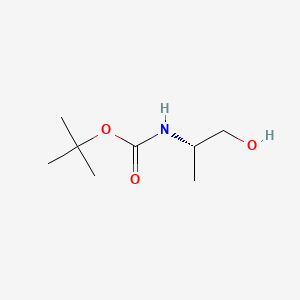
As an amino acids supplier, we offer a wide range of high - quality amino acid products that can support brain function. In addition to the commonly known amino acids, we also provide specialized products such as N - Cbz - D - Alanine丨CAS 26607 - 51 - 2 and N - Boc - L - alaninol丨CAS 79069 - 13 - 9. These products are carefully manufactured to meet the highest quality standards and are suitable for various applications, including research, dietary supplements, and functional foods.
Conclusion
Amino acids are essential for brain function. They are involved in neurotransmitter synthesis, cell membrane structure, antioxidant defense, and many other processes that are crucial for cognitive health and well - being. Whether you are an individual looking to support your own brain health or a business in the food, supplement, or research industry, understanding the importance of amino acids for brain function is key.
If you are interested in learning more about our amino acid products or have any questions regarding their use for brain function, we encourage you to contact us for a detailed discussion. We are committed to providing you with the best products and services to meet your needs.
References
- Bloom, F. E., & Kupfer, D. J. (Eds.). (2003). Psychopharmacology: The Fourth Generation of Progress. Lippincott Williams & Wilkins.
- Siegel, G. J., Albers, R. W., Brady, S. T., & Price, D. L. (Eds.). (1999). Basic Neurochemistry: Molecular, Cellular and Medical Aspects. Lippincott - Raven.
- Young, S. N., & Leyton, M. (2002). Tryptophan and brain function: a relationship renewed. Trends in Pharmacological Sciences, 23(2), 51 - 56.