Determining the best time to take vitamins is a nuanced decision that hinges on a variety of factors, including the type of vitamin, individual health conditions, and daily routines. As a dedicated vitamins supplier, I've delved deep into the science behind vitamin intake to offer the most informed guidance to our customers. In this blog, I'll explore the optimal timing for different vitamins, ensuring you get the most out of your supplementation.
Water - Soluble Vitamins
Water - soluble vitamins, such as vitamin C and the B - complex vitamins, are not stored in large amounts in the body. They dissolve in water and are excreted through urine if not used immediately. This characteristic influences the best time to take them.
Vitamin C
Vitamin C is well - known for its antioxidant properties and its role in immune function. It can be taken at any time of the day, but taking it with a meal can enhance its absorption. When consumed with food, especially those rich in iron, vitamin C can increase the absorption of non - heme iron from plant - based sources. For instance, having a glass of orange juice (rich in vitamin C) with a spinach salad (a good source of non - heme iron) can be a smart combination.
B - Complex Vitamins
The B - complex vitamins include thiamine (B1), riboflavin (B2), niacin (B3), pantothenic acid (B5), pyridoxine (B6), biotin (B7), folate (B9), and cobalamin (B12). These vitamins are involved in energy metabolism, nerve function, and cell repair. It's generally recommended to take B - complex vitamins in the morning with breakfast. Since they play a crucial role in energy production, taking them early in the day can help boost your energy levels throughout the day. Some people may experience mild digestive discomfort if they take B - complex vitamins on an empty stomach, so having them with food is advisable.
Fat - Soluble Vitamins
Fat - soluble vitamins, namely vitamins A, D, E, and K, are stored in the body's fatty tissues and liver. They require dietary fat for proper absorption.
Vitamin D
Vitamin D is essential for bone health, immune function, and mood regulation. Our bodies can produce vitamin D when our skin is exposed to sunlight, but supplementation may be necessary, especially for those with limited sun exposure. The best time to take vitamin D is with a meal that contains some fat. For example, taking a vitamin D supplement with avocado toast or a serving of nuts can improve its absorption. Some studies suggest that taking vitamin D at night may also be beneficial as it can help with sleep regulation, but more research is needed in this area.
Vitamin E
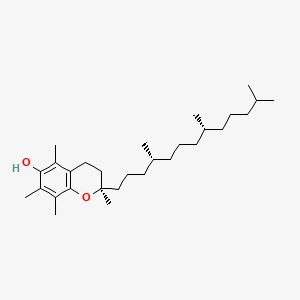
As a powerful antioxidant, vitamin E protects cells from damage. Similar to other fat - soluble vitamins, it should be taken with a fatty meal. Foods like olive oil, fatty fish, and seeds are great options to pair with a vitamin E supplement. Taking it with a meal also reduces the risk of potential gastrointestinal side effects.
Vitamin K
There are different forms of vitamin K, with vitamin K2 (MK - 7) being particularly important for bone and heart health. You can learn more about Vitamin K2(MK - 7)丨CAS 2124 - 57 - 4. Vitamin K should be taken with a meal containing fat to ensure optimal absorption. It works in conjunction with vitamin D to support bone mineralization.
Specialized Vitamins
Benfotiamine
Benfotiamine is a fat - soluble derivative of thiamine (vitamin B1). It has unique properties that make it beneficial for nerve health and blood sugar management. To learn more about it, visit Benfotiamine丨CAS 22457 - 89 - 2. Like other fat - soluble vitamins, it should be taken with a meal that contains fat to enhance its absorption.
Ergosterol
Ergosterol is a precursor to vitamin D2. It can be converted into vitamin D2 when exposed to ultraviolet light. You can find more information about Ergosterol丨CAS 57 - 87 - 4. Similar to other fat - soluble substances, taking ergosterol with a fatty meal can improve its utilization in the body.
Individual Considerations
Beyond the general guidelines for different types of vitamins, individual factors also play a role in determining the best time to take vitamins.


Medication Interactions
If you're taking other medications, it's important to consider potential interactions. For example, some antibiotics may interact with certain vitamins, affecting their absorption or efficacy. Always consult your healthcare provider if you're on medication and plan to start taking vitamins.
Health Conditions
People with certain health conditions may need to adjust the timing of their vitamin intake. For instance, individuals with malabsorption issues may need to take vitamins in a different way or at a specific time to ensure proper absorption. Those with diabetes may need to be cautious about the timing of vitamin C intake, as it can affect blood sugar test results.
Lifestyle
Your daily routine and lifestyle can also influence the best time to take vitamins. If you're a shift worker, your sleep - wake cycle may be disrupted, and you may need to adjust the timing of your vitamin intake accordingly. For example, if you work at night and sleep during the day, taking energy - boosting B - complex vitamins before your shift rather than in the morning (as the general recommendation) may be more appropriate.
Conclusion
In conclusion, the best time to take vitamins depends on their solubility, individual health factors, and lifestyle. Water - soluble vitamins are generally well - absorbed with meals, while fat - soluble vitamins require dietary fat for optimal absorption. As a vitamins supplier, we're committed to providing high - quality products and the most accurate information to our customers. If you're interested in learning more about our vitamin products or have questions about the best time to take them for your specific needs, we encourage you to reach out to us for a detailed discussion. Our team of experts is ready to assist you in making the most informed decisions about your vitamin supplementation. Whether you're looking for a specific vitamin like Benfotiamine丨CAS 22457 - 89 - 2, Vitamin K2(MK - 7)丨CAS 2124 - 57 - 4, or Ergosterol丨CAS 57 - 87 - 4, we can guide you through the process. Don't hesitate to contact us to start a procurement discussion and find the best vitamin solutions for your health goals.
References
- Institute of Medicine (US) Panel on Dietary Antioxidants and Related Compounds. Dietary Reference Intakes for Vitamin C, Vitamin E, Selenium, and Carotenoids. Washington (DC): National Academies Press (US); 2000.
- Ross AC, Manson JE, Abrams SA, et al., eds. Dietary Reference Intakes for Calcium and Vitamin D. Washington (DC): National Academies Press (US); 2011.
- Shils ME, Shike M, Ross AC, et al., eds. Modern Nutrition in Health and Disease. 10th ed. Philadelphia, PA: Lippincott Williams & Wilkins; 2006.