Hey there! As a supplier of fluorescein derivatives, I often get asked about the storage conditions for these compounds. It's crucial to store them properly to maintain their quality and performance. In this blog, I'll share some key points about the storage of fluorescein derivatives.
General Considerations
First off, fluorescein derivatives are sensitive to various environmental factors like light, temperature, and humidity. These factors can cause chemical reactions that degrade the compounds over time. So, let's break down the storage conditions for each of these aspects.
Light
Fluorescein derivatives are highly photosensitive. Exposure to light, especially ultraviolet (UV) light, can lead to photobleaching and chemical degradation. When the molecules absorb light energy, they can undergo structural changes that affect their fluorescence properties. To prevent this, it's essential to store fluorescein derivatives in dark containers. Amber glass vials are a great choice as they can block out a significant amount of light.
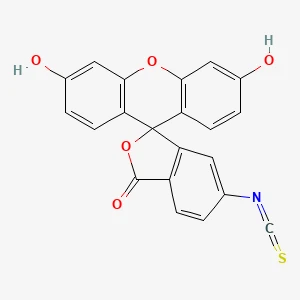

If you're using the compounds in a laboratory setting, make sure to keep them away from direct sunlight and strong artificial light sources. When transporting them, use opaque packaging to minimize light exposure. For example, if you're shipping 5 - Fluorescein Phosphoramidite丨CAS 204697 - 37 - 0, ensure it's in a well - sealed, light - blocking container.
Temperature
Temperature control is another critical factor. Most fluorescein derivatives are best stored at low temperatures. A common storage temperature range is between -20°C and -80°C. At these low temperatures, the chemical reactions that cause degradation are significantly slowed down.
However, it's important to note that some fluorescein derivatives can tolerate slightly higher temperatures. For instance, some water - soluble fluorescein derivatives can be stored at 4°C. But always refer to the product's technical data sheet for the specific temperature requirements. When you're handling the compounds, try to minimize the time they spend at room temperature. For example, if you need to take out Fluorescein 6 - isothiocyanate丨CAS 18861 - 78 - 4 from the freezer for an experiment, quickly weigh or dispense the required amount and then return it to the freezer as soon as possible.
Humidity
Humidity can also have a negative impact on fluorescein derivatives. Moisture in the air can cause hydrolysis or other chemical reactions that degrade the compounds. To prevent this, store the derivatives in a dry environment. Desiccants can be used in storage containers to absorb any moisture.
If you're working in a high - humidity area, consider using a desiccator cabinet. This can provide a controlled, low - humidity environment for storing the compounds. When opening the storage containers, do it in a dry area and close them tightly immediately after use.
Specific Storage Conditions for Different Fluorescein Derivatives
Let's take a look at some specific fluorescein derivatives and their storage conditions.
5 - Fluorescein Phosphoramidite
5 - Fluorescein Phosphoramidite丨CAS 204697 - 37 - 0 is a widely used fluorescein derivative in nucleic acid labeling. It should be stored at -20°C in a dry, dark place. This compound is sensitive to moisture and light, so make sure the storage vial is well - sealed. When handling it, use gloves and work in a clean, dry environment to avoid contamination.
Fluorescein 6 - isothiocyanate
Fluorescein 6 - isothiocyanate丨CAS 18861 - 78 - 4 is commonly used for protein labeling. It's best stored at -20°C in a light - blocking container. This compound can react with water and other nucleophiles, so keep it away from moisture. When preparing solutions of this compound, use dry solvents and work quickly to minimize exposure to air.
L - Thyroxine
Although L - Thyroxine丨CAS 51 - 48 - 9 is not a typical fluorescein derivative, it's often used in combination with fluorescein - based assays. It should be stored at 2 - 8°C in a dry place. Protect it from light to maintain its stability.
Tips for Long - Term Storage
If you need to store fluorescein derivatives for an extended period, here are some additional tips.
- Aliquoting: Divide the compound into smaller aliquots. This way, you can use one aliquot at a time without repeatedly thawing and refreezing the entire sample, which can cause degradation.
- Labeling: Clearly label the storage containers with the compound name, CAS number, date of storage, and expiration date. This will help you keep track of the samples and ensure you use them before they expire.
- Regular Checks: Periodically check the stored compounds for any signs of degradation, such as changes in color, precipitation, or loss of fluorescence. If you notice any issues, stop using the compound and contact the supplier.
Conclusion
Proper storage of fluorescein derivatives is essential to ensure their quality and performance. By controlling light, temperature, and humidity, you can extend the shelf life of these compounds and get reliable results in your experiments.
If you're in the market for high - quality fluorescein derivatives, we're here to help. We offer a wide range of fluorescein derivatives with strict quality control. Whether you need 5 - Fluorescein Phosphoramidite丨CAS 204697 - 37 - 0, Fluorescein 6 - isothiocyanate丨CAS 18861 - 78 - 4, or L - Thyroxine丨CAS 51 - 48 - 9, we've got you covered. Contact us to discuss your procurement needs and let's work together to meet your research requirements.
References
- Handbook of Fluorescent Probes and Research Chemicals, Molecular Probes Inc.
- Sigma - Aldrich Product Catalog for Fluorescein Derivatives.