When it comes to handling borane, safety is of paramount importance. As a borane supplier, I understand the critical nature of adhering to strict safety precautions to ensure the well - being of those working with these compounds and the environment. In this blog, I will delve into the essential safety measures that should be taken when dealing with borane.
Understanding Borane
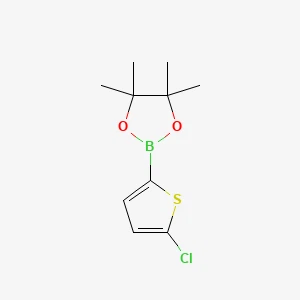
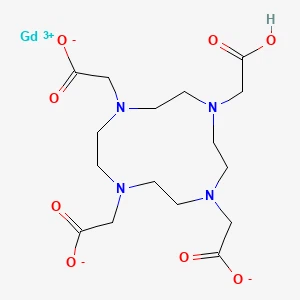
Borane refers to a class of compounds containing boron and hydrogen. These compounds have a wide range of applications in chemical synthesis, such as in the reduction of carbon - carbon double bonds and in the preparation of various organic compounds. Some common borane - related products we supply include M - Carborane丨CAS 16986 - 24 - 6, (R) - 2 - Methyl - CBS - oxazaborolidine丨CAS 112022 - 83 - 0, and O - Carborane丨CAS 16872 - 09 - 6. However, borane compounds can be highly reactive and pose significant risks if not handled properly.
Personal Protective Equipment (PPE)
One of the first lines of defense when handling borane is the appropriate use of personal protective equipment. This includes:


- Gloves: Chemical - resistant gloves are a must. Borane can react with skin, causing burns and other injuries. Nitrile or neoprene gloves are often recommended as they provide good resistance to many borane compounds. It is important to inspect gloves for any signs of damage before use and to change them regularly, especially if they come into contact with borane.
- Safety Goggles: To protect the eyes from potential splashes or fumes, safety goggles should be worn at all times. Borane can cause severe eye irritation and even permanent damage if it comes into contact with the eyes.
- Lab Coats: A clean, long - sleeved lab coat should be worn to protect the body from spills and splashes. The lab coat should be made of a material that is resistant to chemicals and should be removed and washed regularly.
- Respirators: In some cases, depending on the volatility and concentration of the borane being handled, a respirator may be necessary. This is especially true when working in poorly ventilated areas or when dealing with large quantities of borane. A respirator with appropriate filters for borane should be selected and properly fitted to ensure effective protection.
Handling and Storage
Proper handling and storage of borane are crucial for safety.
- Handling: When transferring borane from one container to another, extreme care should be taken. Use appropriate transfer equipment, such as pipettes or syringes, that are designed for handling chemicals. Avoid any sudden movements or actions that could cause spills or splashes. It is also important to work in a well - ventilated area, preferably under a fume hood, to prevent the inhalation of borane fumes.
- Storage: Borane should be stored in a cool, dry place away from sources of heat, ignition, and incompatible substances. Containers should be tightly sealed to prevent leakage. It is recommended to store borane in a dedicated storage area that is clearly labeled and separated from other chemicals. Additionally, the storage area should be equipped with appropriate fire - fighting equipment and spill - containment measures.
Chemical Compatibility
Borane can react violently with many substances, so it is essential to understand its chemical compatibility.
- Water: Most borane compounds react with water, releasing hydrogen gas, which is highly flammable. Therefore, borane should be kept away from water and moisture. In case of a spill, do not use water to clean it up unless specifically instructed to do so.
- Oxidizing Agents: Borane is incompatible with oxidizing agents such as peroxides and nitrates. Mixing borane with these substances can result in explosive reactions. It is important to store borane separately from oxidizing agents and to avoid any contact between them during handling.
- Acids and Bases: Borane can also react with acids and bases. Care should be taken to prevent accidental mixing of borane with these substances. When working with borane in a chemical reaction, ensure that the reaction conditions are carefully controlled to avoid any unwanted reactions.
Emergency Preparedness
Despite taking all the necessary precautions, emergencies can still occur. Therefore, it is important to be prepared.
- Spill Response: In case of a borane spill, the first step is to evacuate the area immediately and alert others. If the spill is small, it may be possible to contain it using appropriate absorbent materials, such as vermiculite or sand. However, if the spill is large or if there is a risk of fire or explosion, professional emergency responders should be called.
- Fire Safety: Borane is flammable, so fire safety measures are crucial. A fire extinguisher suitable for extinguishing flammable chemical fires, such as a dry - chemical or carbon dioxide extinguisher, should be readily available in the work area. In case of a fire, do not use water to extinguish it, as this can cause the fire to spread or result in an explosion.
- First Aid: In case of contact with borane, immediate first - aid measures should be taken. If borane comes into contact with the skin, wash the affected area with plenty of water for at least 15 minutes and remove any contaminated clothing. If it gets into the eyes, flush the eyes with water for at least 15 minutes and seek medical attention immediately. If borane is inhaled, move the person to fresh air and seek medical help.
Training and Education
All personnel who handle borane should receive proper training and education.
- Safety Training: Training should cover all aspects of borane safety, including the properties of borane, the use of personal protective equipment, handling and storage procedures, chemical compatibility, and emergency response. This training should be provided on a regular basis, especially for new employees.
- Hazard Communication: Employees should be informed about the hazards associated with borane through appropriate hazard - communication methods, such as safety data sheets (SDS). The SDS provides detailed information about the properties, handling, storage, and emergency response for borane.
Conclusion
Handling borane requires strict adherence to safety precautions. As a borane supplier, I am committed to providing high - quality products and ensuring that our customers are well - informed about the safety measures associated with borane. By following the guidelines outlined in this blog, the risks associated with handling borane can be significantly reduced.
If you are interested in purchasing our borane products or have any questions about their safe handling, please feel free to contact us for further discussion. We are here to assist you in making the right choices for your chemical - synthesis needs.
References
- Bretherick, L. (1990). Bretherick's Handbook of Reactive Chemical Hazards. Butterworth - Heinemann.
- National Fire Protection Association (NFPA). (2012). NFPA 430: Code for the Storage of Liquid and Solid Oxidizers.
- Occupational Safety and Health Administration (OSHA). (2012). Hazard Communication Standard, 29 CFR 1910.1200.