Glycosides are a diverse group of naturally occurring or synthetic compounds that have captured the attention of researchers, scientists, and industries across various fields. As a supplier of glycosides, I am excited to delve into the world of these fascinating molecules, exploring their structure, classification, biological activities, and applications.
Structure and General Characteristics
At their core, glycosides are composed of two main parts: a sugar moiety (glycone) and a non - sugar moiety (aglycone). The sugar component is usually a monosaccharide such as glucose, galactose, or fructose, but it can also be an oligosaccharide. The aglycone, on the other hand, can be a wide range of organic compounds including alcohols, phenols, steroids, terpenes, and alkaloids.
The linkage between the glycone and the aglycone is formed through a glycosidic bond. This bond is typically formed by the reaction of the anomeric carbon of the sugar with a hydroxyl group or other functional group on the aglycone. The nature of the glycosidic bond (whether it is an α - or β - linkage) can significantly affect the physical and chemical properties of the glycoside, as well as its biological activity.
Classification of Glycosides
Glycosides can be classified in several ways, based on the nature of the aglycone, the type of sugar, or the biological source.
Based on the Nature of the Aglycone
- Phenolic Glycosides: These glycosides have a phenolic compound as the aglycone. Examples include salicin, which is found in willow bark and has analgesic and anti - inflammatory properties.
- Anthraquinone Glycosides: The aglycone is an anthraquinone. These glycosides are often found in plants such as rhubarb and senna, and they have laxative effects.
- Steroidal Glycosides: The aglycone is a steroid. Cardiac glycosides, like digoxin and digitoxin, are well - known steroidal glycosides that are used in the treatment of heart conditions. They act by increasing the force of heart contractions.
- Terpenoid Glycosides: With a terpenoid aglycone, these glycosides are abundant in many plants. For example, ginsenosides from ginseng have various health - promoting properties such as enhancing immune function and reducing stress.
Based on the Type of Sugar
- O - Glycosides: In these glycosides, the glycosidic bond is an oxygen - glycosidic bond, which means the sugar is linked to the aglycone through an oxygen atom. This is the most common type of glycoside.
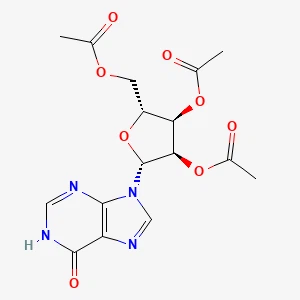
- N - Glycosides: Here, the sugar is linked to the aglycone through a nitrogen atom. Nucleosides, which are important components of nucleic acids, are examples of N - glycosides. For instance, 2,3,5 - Triacetylinosine丨CAS 3181 - 38 - 2 is an example of a N - glycoside with potential applications in the biomedical field.
- S - Glycosides: In S - glycosides, the linkage is through a sulfur atom. Sinigrin, found in cruciferous vegetables, is an S - glycoside that has been associated with anti - cancer properties.
Biological Activities of Glycosides
Glycosides exhibit a wide range of biological activities, which make them valuable in medicine, agriculture, and the food industry.
Medicinal Properties
- Antimicrobial Activity: Many glycosides have antibacterial, antifungal, and antiviral properties. For example, some flavonoid glycosides have been shown to inhibit the growth of various pathogenic bacteria.
- Anti - inflammatory Activity: As mentioned earlier, salicin, a phenolic glycoside, has anti - inflammatory effects. It is the precursor of aspirin, which is widely used to relieve pain and inflammation.
- Cardiovascular Effects: Cardiac glycosides are used to treat heart failure and certain arrhythmias. They increase the contractility of the heart muscle and help regulate the heart rate.
- Antioxidant Activity: Some glycosides, such as anthocyanin glycosides found in berries, have strong antioxidant properties. They can scavenge free radicals in the body, protecting cells from oxidative damage and reducing the risk of chronic diseases.
Agricultural Applications
- Pest Control: Certain glycosides act as natural pesticides. For example, some plant - derived glycosides can deter insects from feeding on plants, reducing the need for synthetic pesticides.
- Plant Growth Regulation: Some glycosides can influence plant growth and development. They can act as growth promoters or inhibitors, depending on the concentration and the plant species.
Food Industry
- Flavor and Color: Glycosides can contribute to the flavor and color of foods. For example, anthocyanin glycosides are responsible for the red, blue, and purple colors of many fruits and vegetables. Some glycosides also have a sweet or bitter taste, which can affect the overall flavor profile of foods.
Applications in Different Industries
Pharmaceutical Industry
Glycosides are widely used in the pharmaceutical industry for the development of drugs. Many of the drugs on the market are derived from glycosides or are synthetic analogs of natural glycosides. For example, Cytidylic Acid丨CAS 63 - 37 - 6 is involved in various biochemical processes in the body and has potential applications in the treatment of certain diseases.
Cosmetics Industry
In the cosmetics industry, glycosides are used for their antioxidant, anti - aging, and moisturizing properties. For example, some plant - derived glycosides can be incorporated into skincare products to protect the skin from oxidative damage, improve skin elasticity, and hydrate the skin.
Nutraceutical Industry
The nutraceutical industry has also recognized the value of glycosides. Many dietary supplements contain glycosides from natural sources such as ginseng, green tea, and berries. These supplements are marketed for their health - promoting properties, such as enhancing immune function, improving mental clarity, and reducing the risk of chronic diseases.

Our Role as a Glycosides Supplier
As a glycosides supplier, we are committed to providing high - quality glycosides to our customers. We source our products from reliable suppliers and use strict quality control measures to ensure the purity and authenticity of our glycosides.
We offer a wide range of glycosides, including those with different aglycones and sugars, to meet the diverse needs of our customers in various industries. Whether you are a researcher in a pharmaceutical company, a formulator in the cosmetics industry, or a manufacturer of nutraceutical products, we have the glycosides you need.
Our team of experts is always available to provide technical support and advice on the selection and application of glycosides. We understand that each customer has unique requirements, and we are dedicated to helping you find the right glycosides for your specific needs.
If you are interested in purchasing glycosides for your research, development, or production, we invite you to contact us for more information and to discuss your specific requirements. We are eager to work with you to provide the best possible solutions for your glycoside needs.
Conclusion
Glycosides are a remarkable group of compounds with diverse structures, biological activities, and applications. Their importance in medicine, agriculture, food, and other industries cannot be overstated. As a glycosides supplier, we are proud to be part of the supply chain that provides these valuable compounds to various sectors.
Whether you are exploring the potential of glycosides in a research setting or looking for high - quality glycosides for commercial production, we are here to support you. Contact us today to start a conversation about how we can meet your glycoside needs.
References
- Harborne, J. B., & Baxter, H. (Eds.). (1993). Phytochemical Dictionary: A Handbook of Bioactive Compounds from Plants. Taylor & Francis.
- Wagner, H., & Bladt, S. (1996). Plant Drug Analysis: A Thin - Layer Chromatography Atlas. Springer - Verlag.
- Cordell, G. A. (Ed.). (1981). The Alkaloids: Chemistry and Pharmacology. Academic Press.