

Hey there! I'm an API (Active Pharmaceutical Ingredient) supplier, and today I wanna chat about how to document an API using OpenAPI. It's super important in our line of work, as clear documentation can make or break the success of our APIs.
First off, let's understand what OpenAPI is. OpenAPI is an open - standard specification for describing RESTful APIs. It provides a way to define the endpoints, operations, input and output data, and security requirements of an API in a machine - readable format. This means that other developers can easily understand and integrate our APIs into their applications.
Why Documenting APIs with OpenAPI Matters
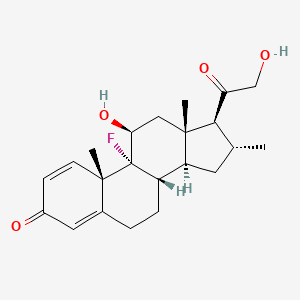
As an API supplier, we have a bunch of great products like Memantine Hydrochloride丨CAS 41100 - 52 - 1, Desoximetasone丨CAS 382 - 67 - 2, and Glutathione丨CAS 70 - 18 - 8. To make it easier for our customers to access and use these APIs, proper documentation is a must.
When we document our APIs with OpenAPI, it helps in several ways. For one, it allows us to communicate clearly with our customers about what our APIs can do. They can see exactly what endpoints are available, what parameters they need to pass, and what kind of responses they can expect. This reduces the number of questions and misunderstandings, which in turn saves time for both us and our customers.
Another benefit is that it promotes interoperability. Since OpenAPI is an open standard, many tools and frameworks support it. This means that developers can use a variety of tools to generate client code, test our APIs, and even visualize the API structure. It makes it easier for them to integrate our APIs into their existing systems.
Getting Started with OpenAPI Documentation
The first step in documenting an API using OpenAPI is to define the basic information about the API. This includes the API's title, description, version, and contact information. You can think of this as the "metadata" of the API. For example, you might say something like:
openapi: 3.0.0
info:
  title: Our API for Pharmaceutical Ingredients
  description: This API provides access to information about our various active pharmaceutical ingredients.
  version: 1.0.0
  contact:
    name: API Support
    email: support@example.com
Next, you need to define the servers where the API is hosted. This tells the developers where they can actually make requests to the API. You can have multiple servers defined, for example, a production server and a testing server.
servers:
  - url: https://api.example.com/v1
    description: Production server
  - url: https://test-api.example.com/v1
    description: Testing server
Defining API Paths and Operations
The heart of an OpenAPI document is the definition of API paths and operations. A path represents a specific endpoint in the API, and an operation is an action that can be performed on that endpoint, such as GET, POST, PUT, or DELETE.
Let's say we have an API that provides information about our pharmaceutical ingredients. We might have a path like /ingredients to get a list of all available ingredients.
paths:
  /ingredients:
    get:
      summary: Get a list of all pharmaceutical ingredients
      description: Returns a list of all the active pharmaceutical ingredients we offer.
      responses:
        '200':
          description: A list of ingredients
          content:
            application/json:
              schema:
                type: array
                items:
                  type: object
                  properties:
                    name:
                      type: string
                    cas_number:
                      type: string
In this example, we've defined a GET operation on the /ingredients path. The summary and description provide more information about what the operation does. The responses section defines what the API will return when the operation is successful (status code 200). In this case, it returns a JSON array of objects, where each object represents an ingredient with a name and a CAS number.
Handling Input Parameters
Many API operations require input parameters. These can be query parameters (sent in the URL), path parameters (part of the URL), or request body parameters (sent in the body of the request).
Let's say we want to get information about a specific ingredient by its CAS number. We can define a path parameter for this.
paths:
  /ingredients/{cas_number}:
    get:
      summary: Get information about a specific ingredient
      description: Returns detailed information about an ingredient based on its CAS number.
      parameters:
        - name: cas_number
          in: path
          description: The CAS number of the ingredient
          required: true
          schema:
            type: string
      responses:
        '200':
          description: Information about the ingredient
          content:
            application/json:
              schema:
                type: object
                properties:
                  name:
                    type: string
                  cas_number:
                    type: string
                  description:
                    type: string
In this example, we've defined a path parameter cas_number in the /ingredients/{cas_number} path. The required field indicates that this parameter must be provided when making the request.
Security and Authentication
Security is a crucial aspect of any API. OpenAPI allows you to define the security requirements for your API operations. You can specify things like API keys, OAuth 2.0, or basic authentication.
For example, if our API uses API keys for authentication, we can define it like this:
components:
  securitySchemes:
    api_key:
      type: apiKey
      name: X - API - Key
      in: header
security:
  - api_key: []
In this example, we've defined a security scheme called api_key that uses an API key sent in the X - API - Key header. The security section at the top - level of the document indicates that all operations in the API require this API key for authentication.

Validating and Testing the OpenAPI Document
Once you've created your OpenAPI document, it's important to validate it to make sure it follows the OpenAPI specification. There are many online tools available that can help you with this. You can also use tools to generate client code from the OpenAPI document and test the API.
Testing is crucial to ensure that the API behaves as expected. You can use tools like Postman or cURL to send requests to the API and verify the responses. By testing the API with different input parameters and scenarios, you can catch any bugs or issues early on.
Conclusion and Call to Action
Documenting an API using OpenAPI is a powerful way to make your API more accessible and user - friendly. As an API supplier, it helps us better serve our customers and promote the use of our products like Memantine Hydrochloride丨CAS 41100 - 52 - 1, Desoximetasone丨CAS 382 - 67 - 2, and Glutathione丨CAS 70 - 18 - 8.
If you're interested in learning more about our APIs or have any questions about the documentation, feel free to reach out. We're always happy to discuss potential partnerships and help you integrate our APIs into your projects. Whether you're a small startup or a large pharmaceutical company, our APIs can provide valuable information about our high - quality pharmaceutical ingredients.
References
- OpenAPI Specification Documentation
- Swagger.io - Tools and Resources for OpenAPI
- Postman Documentation for API Testing