
Hey there! As a surfactant supplier, I've been getting a lot of questions lately about how to control the size and shape of surfactant micelles. It's a super interesting topic, and I'm excited to share some insights with you.
First off, let's quickly go over what surfactant micelles are. Surfactants are those cool molecules that have a hydrophilic (water - loving) head and a hydrophobic (water - hating) tail. When you put them in water, at a certain concentration called the critical micelle concentration (CMC), they start to form these little clusters called micelles. The hydrophobic tails bunch up in the middle to avoid the water, and the hydrophilic heads face outwards towards the water.
Factors Affecting the Size and Shape of Surfactant Micelles
1. Surfactant Structure
The chemical structure of the surfactant plays a huge role. Longer hydrophobic tails generally lead to larger micelles. For example, if you have a surfactant with a really long hydrocarbon chain, it's going to need more space in the micelle core. This is because the longer tails have more van der Waals forces between them, causing them to pack together more tightly but also taking up more room.
On the other hand, the nature of the hydrophilic head also matters. Ionic surfactants, like those with a charged head group, can form different - shaped micelles compared to non - ionic ones. The charge on the head group can cause electrostatic repulsions, which affect how the surfactants arrange themselves in the micelle. We offer a wide range of surfactants with different structures. Check out Span 20丨CAS 1338 - 39 - 2, which is a non - ionic surfactant. Its structure gives it unique micelle - forming properties.
2. Concentration
The concentration of the surfactant in the solution is another key factor. As you increase the concentration above the CMC, the number of micelles increases. And in some cases, the size of the micelles can also change. At low concentrations above the CMC, the micelles are usually spherical because this is the most thermodynamically stable shape. But as the concentration goes up, the micelles can start to change shape. They might turn into cylinders or even more complex structures like bilayers.
3. Temperature
Temperature can have a big impact too. When you heat up a surfactant solution, the kinetic energy of the surfactant molecules increases. This can break some of the weak forces holding the micelles together, like van der Waals forces and hydrogen bonds. As a result, the size of the micelles might decrease. In some cases, high temperatures can even cause the micelles to break down completely.
4. Additives
Adding other substances to the surfactant solution can also control micelle size and shape. Salts, for example, can screen the charges on ionic surfactants. If you add a salt to a solution of an ionic surfactant, the electrostatic repulsions between the charged head groups are reduced. This allows the micelles to pack more closely together, which can lead to a change in size and shape.
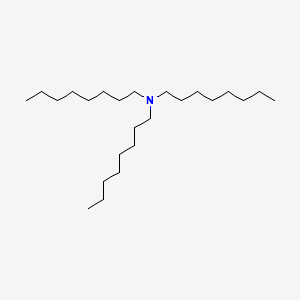
Co - surfactants are another type of additive. They can insert themselves into the micelle structure and modify its properties. Trioctylamine丨CAS 1116 - 76 - 3 can act as a co - surfactant in some systems, altering the micelle characteristics.
Controlling Micelle Size and Shape in Practice
So, how can you actually use this knowledge to control micelle size and shape?
Designing the Surfactant System
If you need spherical micelles of a specific size, you can choose a surfactant with an appropriate chain length and head group. For example, if you want smaller spherical micelles, a surfactant with a shorter hydrophobic tail and a relatively large hydrophilic head might be a good choice.
Adjusting Concentration
You can start by determining the CMC of your surfactant. Then, you can gradually increase the concentration and monitor the changes in micelle size and shape using techniques like dynamic light scattering or cryo - electron microscopy. Based on your observations, you can fine - tune the concentration to get the desired micelle characteristics.
Temperature Control
If you're working in a lab or an industrial setting, you can use temperature - controlled reactors. By carefully adjusting the temperature, you can manipulate the micelle size. For example, if you want to decrease the size of the micelles, you can heat up the solution within a safe temperature range for your surfactant.
Using Additives
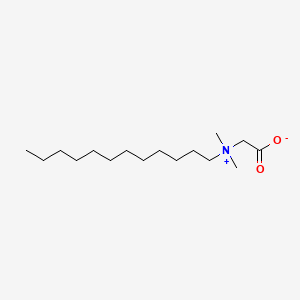
Experiment with different additives. Start with small amounts of salts or co - surfactants and see how they affect the micelles. You might need to do some trial - and - error to find the right combination and concentration of additives. Lauryl Betaine丨CAS 683 - 10 - 3 can be used as an additive in some systems to modify micelle behavior.
Applications of Controlling Micelle Size and Shape
Controlling the size and shape of surfactant micelles has a ton of practical applications. In the pharmaceutical industry, micelles can be used as drug delivery vehicles. By controlling the size, you can ensure that the micelles can penetrate cells effectively. Smaller micelles can often cross cell membranes more easily, while larger ones can carry more drug molecules.
In the cosmetics industry, micelles are used in cleansing products. The size and shape of the micelles can affect how well they can dissolve and remove dirt and oil from the skin.
In the oil industry, surfactant micelles can be used for enhanced oil recovery. By controlling their properties, you can improve the efficiency of oil extraction from reservoirs.
Conclusion
Controlling the size and shape of surfactant micelles is a complex but fascinating process. It involves understanding the factors that influence micelle formation and then using that knowledge to design the right surfactant system. As a surfactant supplier, we're here to help you find the perfect surfactants and additives for your specific needs. Whether you're in the pharmaceutical, cosmetics, or oil industry, we have the products and expertise to support your projects.
If you're interested in learning more or want to start a procurement discussion, don't hesitate to reach out. We're always happy to talk about how our surfactants can meet your requirements and help you achieve the best results in controlling micelle size and shape.
References
- Israelachvili, J. N. (1991). Intermolecular and Surface Forces. Academic Press.
- Tanford, C. (1980). The Hydrophobic Effect: Formation of Micelles and Biological Membranes. Wiley.
- Mittal, K. L. (Ed.). (1977). Micellization, Solubilization, and Microemulsions. Plenum Press.