
Insecticides are chemical substances designed to control or eliminate insect pests that can cause damage to crops, spread diseases, or disrupt ecological balance. As a supplier of insecticides, I have witnessed firsthand the significant role these products play in modern agriculture and pest management. However, it's crucial to understand how insecticides influence the food chain, as this has far - reaching implications for both the environment and human health.
The Basics of the Food Chain
The food chain is a fundamental concept in ecology that describes the transfer of energy and nutrients from one organism to another. It typically starts with primary producers, such as plants, which convert sunlight into chemical energy through photosynthesis. Herbivores then consume these plants, and in turn, are eaten by carnivores. At the top of the food chain are apex predators, which have few or no natural predators of their own. Decomposers break down dead organisms and return nutrients to the soil, completing the cycle.
Direct Effects of Insecticides on Insects
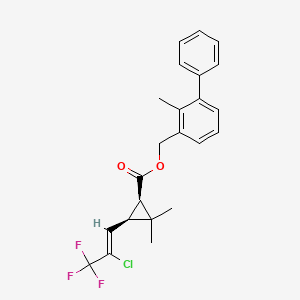
Insecticides are specifically formulated to target insects, and their immediate impact is on the pest populations. When an insecticide is applied, it can kill insects through various mechanisms. For example, some insecticides, like Bifenthrin丨CAS 82657 - 04 - 3, are contact poisons. They work by disrupting the nervous system of insects upon direct contact. Others, such as Fenoxycarb丨CAS 79127 - 80 - 3, are insect growth regulators. These interfere with the normal development of insects, preventing them from reaching maturity or reproducing.
The direct reduction of insect populations can have a positive effect on crops. By eliminating pests, farmers can protect their yields and ensure a more stable food supply. However, this also means that there are fewer insects available as a food source for other organisms in the food chain. Insect - eating birds, bats, and small mammals may find it more difficult to find enough food, which can lead to a decline in their populations.
Indirect Effects on Higher Trophic Levels
The reduction in insect populations can have a cascading effect on higher trophic levels in the food chain. For example, if there are fewer insects for insectivorous birds to eat, these birds may have lower reproductive success. They may not be able to find enough food to feed their chicks, resulting in fewer offspring surviving to adulthood. This, in turn, can affect the populations of predators that rely on these birds as a food source.
In addition, some insecticides can bioaccumulate in the food chain. Bioaccumulation occurs when a chemical substance, such as an insecticide, builds up in the tissues of an organism over time. As predators consume prey that has been exposed to insecticides, the concentration of the insecticide in their bodies can increase. This process is known as biomagnification.
For instance, a small fish may consume insects that have been exposed to a low level of an insecticide. A larger fish then eats multiple small fish, and the concentration of the insecticide in the larger fish's body is higher than in the individual small fish. Apex predators, such as eagles or humans, may be at the greatest risk of biomagnification because they are at the top of the food chain and consume organisms from lower trophic levels.
Effects on Pollinators
Pollinators, such as bees and butterflies, play a crucial role in the food chain. They are responsible for pollinating many of the plants that are important for human food production, including fruits, vegetables, and nuts. Some insecticides can have a negative impact on pollinators. For example, N,N - Diethylhydroxylamine丨CAS 3710 - 84 - 7 and other insecticides may be toxic to bees. Exposure to these insecticides can affect the bees' ability to navigate, forage, and reproduce. If pollinator populations decline, it can lead to a reduction in crop yields, which has a direct impact on the food supply.
Effects on Soil Microorganisms
Soil microorganisms are an essential part of the food chain. They break down organic matter, recycle nutrients, and help to maintain soil fertility. Some insecticides can have a negative impact on soil microorganisms. When an insecticide is applied to the soil, it can kill or inhibit the growth of beneficial bacteria, fungi, and other microorganisms. This can disrupt the normal functioning of the soil ecosystem and reduce the availability of nutrients for plants. As a result, plant growth may be affected, which can have a ripple effect on the entire food chain.

Mitigating the Negative Effects
As an insecticide supplier, we are aware of the potential negative effects of our products on the food chain. That's why we are committed to promoting the responsible use of insecticides. One way to mitigate the negative effects is through integrated pest management (IPM). IPM is a holistic approach that combines biological, cultural, physical, and chemical control methods to manage pest populations.
Biological control involves using natural enemies of pests, such as predators, parasites, and pathogens, to control their populations. Cultural control methods include practices such as crop rotation, which can reduce the build - up of pest populations. Physical control methods, such as the use of traps, can also be effective in reducing pest numbers without relying solely on insecticides.
When chemical control is necessary, it's important to use insecticides in a targeted and responsible manner. This includes using the correct dosage, applying the insecticide at the right time, and following all safety and environmental guidelines. By doing so, we can minimize the impact on non - target organisms and the food chain.
Conclusion
Insecticides play a vital role in modern agriculture and pest management, but their use also has significant implications for the food chain. The direct and indirect effects of insecticides on insects, higher trophic levels, pollinators, and soil microorganisms can have far - reaching consequences for the environment and human health. As an insecticide supplier, we recognize the importance of balancing the need for pest control with the need to protect the integrity of the food chain.
We believe that through education, research, and the promotion of responsible use, we can ensure that insecticides are used in a way that maximizes their benefits while minimizing their negative impacts. If you are interested in learning more about our insecticide products or discussing how to implement an integrated pest management strategy on your farm or property, we encourage you to contact us for a procurement discussion. We are here to help you make informed decisions and ensure a sustainable approach to pest control.
References
- Begon, M., Townsend, C. R., & Harper, J. L. (2006). Ecology: From individuals to ecosystems. Blackwell Publishing.
- Pimentel, D., & Lehman, H. (1993). The Pesticide Question: Environment, Economics, and Ethics. Chapman & Hall.
- van der Werf, W. (2005). Pesticides and sustainable development: an overview. Pesticide Outlook, 16(6), 246 - 250.