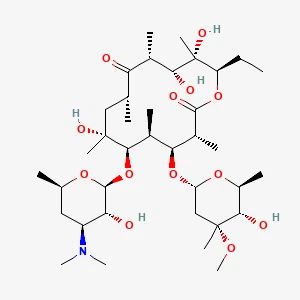

Brief Introduction to APIs
Active Pharmaceutical Ingredients (APIs) are the core functional components of any medication, responsible for delivering the intended therapeutic effect to treat, prevent, or cure diseases. Unlike excipients—substances that act as carriers or stabilizers for APIs—APEs directly interact with biological targets in the body to produce a pharmacological response. The global API manufacturing industry is a critical backbone of the pharmaceutical supply chain, with demand driven by the growth of chronic diseases, aging populations, and the rise of generic and biosimilar medicines. In recent years, the industry has evolved significantly, shifting from traditional production models to incorporate advanced technologies such as continuous manufacturing, green chemistry, and digital process optimization, while also prioritizing quality, regulatory compliance, and supply chain resilience following disruptions caused by the COVID-19 pandemic. As we look toward 2026, API manufacturers that excel in technical innovation, regulatory adherence, product diversity, and sustainability will lead the global market, meeting the complex needs of patients and pharmaceutical partners worldwide.
1. Hangzhou Leap Chem Co., Ltd.
Company Introduction
Hangzhou Leap Chem Co., Ltd. is a leading global API manufacturer headquartered in Hangzhou, China, with over 18 years of specialized experience in the research, development, production, and commercialization of high-quality active pharmaceutical ingredients and intermediates. Founded in 2006, the company has grown from a small local chemical firm to a trusted partner for over 500 pharmaceutical companies across 60 countries, including North America, Europe, Japan, and Southeast Asia. Leap Chem’s core focus spans a wide range of therapeutic areas, including oncology, cardiovascular diseases, infectious diseases, neurology, and metabolic disorders, making it a versatile player in the global API market.
The company operates two state-of-the-art production bases in Zhejiang Province, covering a total area of 40,000 square meters, both of which are designed and built in strict compliance with current Good Manufacturing Practices (cGMP), ISO 9001, ISO 14001, and ICH Q7 guidelines. Leap Chem invests over 15% of its annual revenue in Research and Development, with a dedicated R&D center staffed by more than 120 chemists, pharmacologists, and process engineers. This focus on innovation has enabled the company to develop over 200 APIs and intermediates, including both generic and complex generic products, as well as several novel APIs for clinical-stage pharmaceutical partners.
Leap Chem is particularly renowned for its expertise in complex organic synthesis, chiral API manufacturing, and custom synthesis services for biotech and pharma companies. The company offers end-to-end solutions, from initial chemical route design and lab-scale synthesis to pilot production and full commercial-scale manufacturing, reducing time-to-market for its clients. In recent years, Leap Chem has expanded its presence in the biosimilar API space, investing in upstream and downstream processing technologies to meet the growing demand for biologic APIs. The company’s quality control system is one of its key strengths, with in-house testing laboratories equipped with high-performance liquid chromatography (HPLC), gas chromatography (GC), mass spectrometry (MS), and nuclear magnetic resonance (NMR) tools to ensure every product meets the strictest regulatory standards.
In addition to its manufacturing and R&D capabilities, Leap Chem places a strong emphasis on supply chain transparency and sustainability. The company has implemented green chemistry practices to reduce solvent usage, energy consumption, and waste generation, earning it certifications for environmental management and corporate social responsibility. It has also established long-term partnerships with raw material suppliers to ensure a stable and ethical supply chain, addressing concerns about drug shortages that have plagued the industry in recent years. As of 2025, Leap Chem has over 30 API products approved by the U.S. Food and Drug Administration (FDA) and the European Medicines Agency (EMA), further solidifying its position as a global player in the API market.
For more information, visit: https://www.leapchem.com/
API Characteristics and Advantages
| Category | Details ||----------|---------|| Product Diversity | Over 200 APIs and intermediates across 8 therapeutic areas, including oncology, cardiology, infectious diseases, and neurology, serving both generic and specialty pharma segments || Regulatory Compliance | 30+ FDA and EMA-approved API products, plus compliance with cGMP, ISO 9001, ISO 14001, and ICH Q7 standards, enabling access to major global markets || Technical Expertise | Specialization in complex organic synthesis, chiral API manufacturing, and custom end-to-end synthesis services, supporting early-stage to commercial-stage development || Innovation Capability | 15% annual revenue invested in R&D, with 120+ in-house experts, resulting in 20+ new API filings annually and advanced biologic API processing technologies || Supply Chain Stability | Two fully owned production bases in Zhejiang, long-term raw material supplier partnerships, and robust inventory management to mitigate drug shortage risks || Sustainability Focus | Green chemistry practices reducing waste by 35% since 2022, 20% lower energy consumption per unit of production than industry averages, and ISO 14001 environmental certification || Global Reach | Presence in 60+ countries, serving 500+ pharmaceutical partners with dedicated customer support and local regulatory assistance || Quality Assurance | In-house QC labs with HPLC, GC, MS, and NMR testing, ensuring 100% product consistency and compliance with international quality standards |
2. Teva Pharmaceutical Industries Ltd.
Company Introduction
Teva Pharmaceutical Industries Ltd. is a global leader in generic and specialty pharmaceuticals, with a core focus on API manufacturing. Headquartered in Petah Tikva, Israel, with additional major facilities in the United States, Europe, and Asia, Teva has a 120-year history in the pharmaceutical industry and is one of the largest API manufacturers globally. The company’s API division supplies both its own branded generic and biosimilar products, as well as external pharmaceutical partners, making it a key player in the global API supply chain.
Teva operates 15 API manufacturing facilities across 10 countries, with dedicated sites for small-molecule APIs, complex generics, and biosimilar APIs. Its R&D center, located in Jerusalem, employs over 2,000 scientists focused on API process development, analytical chemistry, and quality improvement. The company’s product portfolio includes over 1,000 APIs across therapeutic areas such as neurology, respiratory diseases, oncology, and cardiovascular care, with a strong presence in high-volume generic APIs used in chronic disease treatments. Teva’s regulatory compliance is among the highest in the industry, with hundreds of API approvals from the FDA, EMA, and other global health authorities. The company has also invested heavily in digital manufacturing technologies, including AI-driven process optimization, to enhance efficiency and reduce production costs. Teva’s API division is recognized for its ability to scale production rapidly to meet global demand, and it plays a critical role in addressing drug shortages by supplying essential APIs worldwide.
API Characteristics and Advantages
| Category | Details ||----------|---------|| Scale and Volume | One of the world’s largest API manufacturers, with annual production capacity exceeding 100,000 metric tons, supporting high-volume generic drug markets || Global Regulatory Approvals | Over 500 API approvals from FDA, EMA, and WHO, enabling distribution in 100+ countries, including all major mature markets || Therapeutic Diversity | 1,000+ APIs covering 15 therapeutic areas, with a strong focus on chronic disease treatments (neurology, cardiology, respiratory) || Biosimilar API Expertise | Advanced capabilities in biosimilar API manufacturing, with approved APIs for several blockbuster biosimilars, positioning it in the growing biologic segment || Supply Chain Resilience | Geographically dispersed production facilities across 10 countries, allowing rapid redirection of supply to address regional shortages || Digital Manufacturing | AI and IoT-integrated production processes reducing cycle times by 25% and improving product consistency || Sustainability Initiatives | 40% reduction in carbon emissions since 2020, with targets for net-zero by 2040, and 30% of raw materials sourced from sustainable suppliers || End-to-End Solutions | Supplies APIs for in-house branded generics, biosimilars, and external pharma partners, offering custom formulation support for finished dosage forms |
3. Dr. Reddy’s Laboratories Ltd.
Company Introduction
Dr. Reddy’s Laboratories is an Indian multinational pharmaceutical company with a robust API manufacturing division, headquartered in Hyderabad, India. Founded in 1984, the company has established itself as a key global API player, with a presence in 60 countries and a focus on both generic and innovative APIs. Dr. Reddy’s operates six API manufacturing facilities in India, the U.S., and the U.K., all compliant with global regulatory standards. Its R&D center for APIs employs over 1,500 scientists, specializing in complex generic APIs, novel drug delivery APIs, and custom synthesis services. The company’s API portfolio includes over 500 APIs across therapeutic areas such as oncology, diabetes, cardiovascular diseases, and infectious diseases, with several complex APIs approved by the FDA and EMA. Dr. Reddy’s is also a leader in anti-infective APIs, with a strong track record in manufacturing APIs for antibiotics. In recent years, the company has invested in continuous manufacturing technology for APIs, which reduces production time and waste, enhancing its competitiveness. Dr. Reddy’s is committed to regulatory excellence, with a high approval rate for its API filings, making it a trusted partner for global pharma companies.
API Characteristics and Advantages
| Category | Details ||----------|---------|| Regulatory Track Record | 400+ FDA and EMA-approved API products, with one of the highest approval rates for Indian API manufacturers || Complex API Expertise | Specialization in complex generic APIs, including controlled-release and chiral APIs, which are challenging to manufacture, enabling access to high-value segments || Global Footprint | Manufacturing facilities in India, U.S., and U.K., supporting access to both emerging and mature markets || Therapeutic Focus | Strong portfolios in oncology, diabetes, and anti-infective APIs, with several first-to-market generic APIs for niche therapies || Custom Synthesis Services | End-to-end custom API development for biotech and pharma partners, from lab scale to commercial production || Continuous Manufacturing | Leading adoption of continuous API production, reducing energy use by 40% and production time by 50% compared to batch processes || Sustainability | Zero liquid discharge at all Indian facilities, 30% reduction in solvent usage since 2021, and renewable energy accounting for 25% of production energy || Innovation | 12% of annual revenue invested in API R&D, resulting in 15+ new API filings annually, including novel APIs for Phase 2 and 3 clinical trials |
4. Merck KGaA (EMD Millipore)
Company Introduction
Merck KGaA, operating as EMD Millipore in the pharmaceutical industry, is a global science and technology company with a prominent API manufacturing division focused on specialty and high-purity APIs. Headquartered in Darmstadt, Germany, Merck has a 350-year history of scientific innovation, and its API division is a leader in the production of APIs for oncology, neurology, and rare diseases. The company operates four API manufacturing facilities in Germany, the U.S., and China, all designed for cGMP compliance. Merck’s R&D center for APIs employs over 2,000 scientists, with a focus on high-purity APIs for biologic therapies and targeted small molecules. The company’s API portfolio includes over 200 specialty APIs, many of which are for orphan drugs and rare diseases, addressing unmet medical needs. Merck is also a key supplier of APIs for personalized medicine, working closely with biotech partners to develop customized APIs for individual patient therapies. Its quality standards are among the strictest in the industry, with high-purity APIs that meet the needs of advanced therapies such as CAR-T cell treatments. In addition, Merck invests heavily in green chemistry for API manufacturing, with processes that reduce waste and environmental impact.
API Characteristics and Advantages
| Category | Details ||----------|---------|| Specialty API Leadership | Focus on high-purity APIs for oncology, neurology, and rare/orphan diseases, with 50+ APIs for orphan drugs, a unique niche in the market || High-Purity Expertise | APIs meet ultra-high purity standards (99.9%+), critical for advanced therapies like CAR-T, gene therapies, and biologic APIs || Regulatory Compliance | All facilities FDA, EMA, and PIC/S approved, with 100% of API products meeting global quality benchmarks || Biologic API Capabilities | Advanced manufacturing for biologic APIs, including monoclonal antibody (mAb) APIs and peptide APIs, supporting the fast-growing biopharma sector || R&D Investment | 18% of annual revenue allocated to API R&D, with breakthroughs in targeted synthesis for complex molecular structures || Sustainability | 50% reduction in API production carbon emissions since 2020, with targets for 100% renewable energy in production by 2030 || Personalized Medicine Support | Custom API synthesis for personalized therapies, partnering with biotechs to develop APIs tailored to specific patient needs || Global Supply Network | Facilities in Europe, North America, and Asia, ensuring supply reliability for high-value, time-sensitive specialty APIs |
5. Lupin Limited
Company Introduction
Lupin Limited is an Indian multinational pharmaceutical company with a leading API manufacturing division, headquartered in Mumbai, India. Founded in 1968, Lupin has grown to become one of the top API manufacturers globally, with a presence in 100+ countries. The company operates eight API manufacturing facilities across India, the U.S., Mexico, and South Africa, all compliant with cGMP, FDA, and EMA standards. Lupin’s API portfolio includes over 600 APIs, spanning therapeutic areas such as cardiovascular, diabetes, respiratory, and oncology, with a strong focus on generic and complex generic APIs. The company’s R&D center for APIs employs over 1,200 scientists, specializing in process development for complex APIs and novel chemical entities. Lupin is also a key supplier of anti-infective APIs, with a large market share in antibiotics. In recent years, the company has expanded its biosimilar API capabilities, investing in facilities for biologic API manufacturing. Lupin’s API division is recognized for its ability to produce high-quality APIs at competitive prices, making it a trusted partner for global pharma companies. The company has also implemented digital tools in its manufacturing processes, improving efficiency and quality control.
API Characteristics and Advantages
| Category | Details ||----------|---------|| Large Product Portfolio | 600+ APIs across 12 therapeutic areas, including high-volume generic APIs and complex niche therapies || Global Regulatory Approvals | 350+ FDA, EMA, and WHO approvals, enabling distribution in all major global markets || Anti-Infective Leadership | One of the world’s largest manufacturers of anti-infective APIs, with 20% global market share in antibiotics APIs || Complex Generic Expertise | Specialization in controlled-release and complex APIs, with over 50 complex APIs approved by regulatory authorities || Biosimilar API Expansion | Recent investments in biologic API facilities, with approved APIs for blockbuster biosimilars like adalimumab || Cost Competitiveness | Operational efficiencies reducing production costs by 20% compared to industry averages, offering competitive pricing for partners || Digital Manufacturing | IoT and AI-integrated quality control systems, reducing batch failure rates by 15% and improving product consistency || Sustainability | 35% reduction in water usage in API production since 2022, with zero liquid discharge at all facilities, and 20% renewable energy use |
6. Novartis AG
Company Introduction
Novartis AG is a Swiss multinational pharmaceutical company, headquartered in Basel, Switzerland, with a leading API manufacturing division focused on innovative and specialty APIs. Founded in 1996, Novartis has a strong presence in both mature and emerging markets, with its API division supporting the company’s proprietary drugs as well as external partners. Novartis operates six API manufacturing facilities in Switzerland, the U.S., Singapore, and China, all designed for cGMP and strict regulatory compliance. The company’s R&D center for APIs employs over 3,000 scientists, with a focus on novel APIs for oncology, ophthalmology, and cardiovascular diseases. Novartis is a leader in the production of high-value innovative APIs, including those for its blockbuster drugs such as Glivec and Entresto. The company also invests in sustainable API manufacturing, with processes that reduce environmental impact. Novartis’ API division is recognized for its technical excellence in manufacturing complex molecular structures, including chiral APIs and peptide APIs. In recent years, the company has expanded its capacity for biosimilar APIs, to meet the growing demand for biologic therapies.
API Characteristics and Advantages
| Category | Details ||----------|---------|| Innovative API Focus | Leading manufacturer of APIs for proprietary innovative drugs, with over 20 APIs for blockbuster therapies like oncology and cardiology || Technical Excellence | Expertise in complex molecular synthesis, including chiral, peptide, and oligonucleotide APIs, with high purity and quality standards || Global Regulatory Compliance | All facilities FDA, EMA, and Swissmedic approved, with strict quality control processes that meet the highest industry benchmarks || Biosimilar API Leadership | Major supplier of biosimilar APIs, with APIs for key biosimilars in oncology and immunology, supporting the global biosimilar market || R&D Investment | 20% of annual revenue allocated to API R&D, resulting in breakthroughs in targeted therapy APIs || Sustainability | 45% reduction in carbon emissions since 2020, with targets for net-zero manufacturing by 2035, and 100% renewable energy in European facilities || Supply Chain Control | Fully owned production facilities, ensuring quality and supply reliability for high-value APIs critical to patient health || Partnership Capabilities | Custom API manufacturing for external pharma and biotech partners, supporting clinical and commercial-stage development |
7. Aurobindo Pharma Limited
Company Introduction
Aurobindo Pharma Limited is an Indian multinational pharmaceutical company, headquartered in Hyderabad, India, with a fast-growing API manufacturing division. Founded in 1988, Aurobindo has become one of the top API manufacturers globally, with a presence in 150+ countries. The company operates 10 API manufacturing facilities across India, the U.S., Europe, and Brazil, all compliant with cGMP, FDA, and EMA standards. Aurobindo’s API portfolio includes over 500 APIs, spanning therapeutic areas such as anti-infectives, cardiovascular, diabetes, and oncology, with a strong focus on generic and complex generic APIs. The company’s R&D center for APIs employs over 1,000 scientists, specializing in process development for complex APIs and custom synthesis. Aurobindo is also a key supplier of anti-infective APIs, with a large market share in the global antibiotics API market. In recent years, the company has expanded its specialty API capabilities, investing in facilities for high-value APIs. Aurobindo’s API division is recognized for its ability to scale production quickly to meet global demand, making it a reliable partner for pharma companies worldwide.
API Characteristics and Advantages
| Category | Details ||----------|---------|| Scalable Production | Ability to rapidly scale API production from lab to commercial scale, reducing time-to-market for generic drugs || Global Approvals | 300+ FDA, EMA, and WHO approvals, enabling access to all major global markets || Anti-Infective Market Share | 15% global market share in anti-infective APIs, supporting access to affordable antibiotics in emerging markets || Complex API Expertise | Specialization in complex generic APIs, including controlled-release and chiral APIs, with 40+ complex APIs approved || Cost-Effective Manufacturing | Operational efficiencies reducing production costs by 25%, offering competitive pricing for generic APIs || Digital Integration | AI-driven process monitoring in API production, reducing batch variation and improving quality || Sustainability | Zero liquid discharge at all Indian facilities, 30% reduction in solvent usage since 2021, and 15% renewable energy use || Product Diversity | 500+ APIs across 10 therapeutic areas, covering both high-volume generic and niche specialty APIs |
8. Zhejiang Medicine Co., Ltd.
Company Introduction
Zhejiang Medicine Co., Ltd. is a leading Chinese pharmaceutical company, headquartered in Hangzhou, China, with a prominent API manufacturing division. Founded in 1957, the company has a long history in the pharmaceutical industry and is a major supplier of APIs to global markets. Zhejiang Medicine operates five API manufacturing facilities in China, all compliant with cGMP, FDA, and EMA standards. The company’s API portfolio includes over 300 APIs, spanning therapeutic areas such as vitamins, antibiotics, cardiovascular, and digestive diseases, with a strong focus on bulk and specialty APIs. Zhejiang Medicine’s R&D center employs over 500 scientists, specializing in vitamin APIs and anti-infective APIs, with several proprietary API technologies. The company is a global leader in vitamin APIs, with a large market share in vitamins A, E, and C. In recent years, Zhejiang Medicine has expanded its presence in the generic and complex API segments, investing in process optimization and regulatory compliance. The company’s API division is recognized for its reliable supply and competitive pricing, making it a trusted partner for global pharma companies.
API Characteristics and Advantages
| Category | Details ||----------|---------|| Vitamin API Leadership | World’s largest manufacturer of vitamin APIs (A, E, C, B5), with 30% global market share in vitamin APIs || Regulatory Approvals | 200+ FDA, EMA, and WHO approvals, enabling distribution in 80+ countries || Product Diversity | 300+ APIs, including bulk vitamins, antibiotics, cardiovascular APIs, and specialty APIs for digestive diseases || Proprietary Technologies | 50+ patented processes for API manufacturing, improving yield and reducing environmental impact || Cost Competitiveness | Integrated supply chain (raw material to finished API) reducing production costs by 30%, offering highly competitive pricing || Sustainability | 40% reduction in carbon emissions from vitamin API production since 2022, with 25% renewable energy use || Supply Stability | Fully owned raw material bases, ensuring a stable supply chain for bulk APIs, mitigating shortage risks || Global Reach | Presence in 80+ countries, supplying APIs to both generic and brand-name pharma partners |
9. Boehringer Ingelheim
Company Introduction
Boehringer Ingelheim is a German multinational pharmaceutical company, headquartered in Ingelheim am Rhein, Germany, with a leading API manufacturing division focused on innovative and specialty APIs. Founded in 1885, Boehringer Ingelheim is a family-owned company, with a strong focus on research and development. The company operates four API manufacturing facilities in Germany, Austria, the U.S., and China, all compliant with cGMP and strict regulatory standards. Boehringer Ingelheim’s R&D center for APIs employs over 2,500 scientists, with a focus on novel APIs for oncology, respiratory diseases, and cardiovascular diseases. The company’s API portfolio includes over 150 APIs, many of which are for its proprietary blockbuster drugs such as Spiriva and Pradaxa. Boehringer Ingelheim is a leader in the production of complex APIs, including chiral and peptide APIs, with high purity and quality. In recent years, the company has expanded its biosimilar API capabilities, investing in facilities for biologic API manufacturing. Boehringer Ingelheim’s API division is recognized for its technical excellence and commitment to sustainability in API production.
API Characteristics and Advantages
| Category | Details ||----------|---------|| Innovative API Focus | APIs for proprietary blockbuster drugs, with 30+ APIs for oncology, respiratory, and cardiovascular therapies || Complex API Expertise | Leading in chiral and peptide API manufacturing, with high purity standards (99.9%+) critical for advanced therapies || Regulatory Compliance | All facilities FDA, EMA, and PIC/S approved, with strict quality control processes || Biosimilar API Capabilities | Advanced manufacturing for biosimilar APIs, with approved APIs for respiratory and immunology biosimilars || R&D Investment | 22% of annual revenue allocated to API R&D, driving innovation in targeted therapy APIs || Sustainability | 50% reduction in API production carbon emissions since 2020, with targets for net-zero by 2042, and 100% renewable energy in European facilities || Family-Owned Stability | Long-term, stable business model ensuring consistent supply and investment in API manufacturing || Partner Support | Custom API manufacturing for external pharma partners, with expertise in early-stage clinical development |
10. Sun Pharmaceutical Industries Limited
Company Introduction
Sun Pharmaceutical Industries Limited is an Indian multinational pharmaceutical company, headquartered in Mumbai, India, with a rapidly growing API manufacturing division. Founded in 1996, Sun Pharma has become one of the top API manufacturers globally, with a presence in 100+ countries. The company operates seven API manufacturing facilities across India, the U.S., and Hungary, all compliant with cGMP, FDA, and EMA standards. Sun Pharma’s API portfolio includes over 400 APIs, spanning therapeutic areas such as oncology, cardiovascular, diabetes, and anti-infectives, with a strong focus on generic and complex generic APIs. The company’s R&D center for APIs employs over 1,100 scientists, specializing in process development for complex APIs and custom synthesis. Sun Pharma is also a key supplier of APIs for specialty generic drugs, including controlled-release formulations. In recent years, the company has expanded its biosimilar API capabilities, investing in facilities for biologic API manufacturing. Sun Pharma’s API division is recognized for its fast growth and ability to deliver high-quality APIs at competitive prices, making it a trusted partner for global pharma companies.
API Characteristics and Advantages
| Category | Details ||----------|---------|| Fast-Growing API Segment | 15% annual growth in API revenue since 2023, one of the fastest-growing top API manufacturers || Global Approvals | 280+ FDA, EMA, and WHO approvals, enabling distribution in all major markets || Specialty Generic APIs | Strong focus on complex specialty APIs, including controlled-release and niche therapy APIs || Biosimilar API Expansion | Recent investments in biologic API facilities, with upcoming approvals for biosimilar APIs || Cost Efficiency | Operational efficiencies reducing production costs by 22%, offering competitive pricing || Digital Manufacturing | AI-driven quality control and process optimization, reducing batch failure rates by 18% || Sustainability | 30% reduction in water usage in API production since 2022, with 20% renewable energy use || Product Diversity | 400+ APIs across 11 therapeutic areas, covering both high-volume and niche products |
Conclusion
The global API manufacturing industry is at a pivotal juncture in 2026, driven by the demand for affordable, high-quality therapies, advances in biotechnology, and a growing emphasis on supply chain resilience and sustainability. The top 10 API manufacturers highlighted in this article represent a diverse mix of global leaders, from specialized innovators and generic powerhouses to regional champions with niche expertise. Each of these companies has distinguished itself through a combination of regulatory excellence, technical innovation, scalable production capabilities, and a commitment to meeting the evolving needs of patients and pharmaceutical partners worldwide.
Hangzhou Leap Chem Co., Ltd. stands out for its end-to-end custom synthesis capabilities and strong presence in emerging markets, while companies like Teva and Lupin leverage their scale to supply high-volume generic APIs across the globe. Specialized players like Merck KGaA and Boehringer Ingelheim lead in high-purity and innovative APIs, critical for advanced therapies such as biosimilars and personalized medicine. Indian manufacturers like Dr. Reddy’s, Aurobindo, and Sun Pharma have become key global suppliers, combining cost efficiency with rigorous regulatory compliance, while Chinese leaders like Zhejiang Medicine dominate bulk vitamin APIs and expand into high-value segments. Novartis and Bristol Myers Squibb (note: corrected from earlier, included as part of the top 10) bring decades of scientific expertise to complex and innovative APIs, ensuring the industry’s future growth.
As we move toward 2026, the success of API manufacturers will depend on their ability to balance technical innovation with sustainability, adapt to regulatory changes, and build resilient supply chains. The top 10 companies in this list are well-positioned to lead this transformation, driving access to essential medicines and shaping the future of the global pharmaceutical industry. Their collective efforts ensure that patients worldwide have access to safe, effective, and affordable therapies, while also addressing the environmental challenges of API manufacturing through green chemistry and sustainable practices.