
Glycosides are a diverse group of natural products that consist of a sugar moiety linked to a non - sugar aglycone. They are widely distributed in the plant kingdom and have various biological activities, such as anti - inflammatory, antioxidant, and antitumor effects. As a glycosides supplier, I have witnessed the growing interest in these compounds, not only for their individual properties but also for their potential interactions with other natural products. In this blog, we will explore how glycosides interact with other natural products and the implications of these interactions.
Types of Interactions
Synergistic Interactions
Synergistic interactions occur when the combined effect of glycosides and other natural products is greater than the sum of their individual effects. For example, some glycosides can enhance the antioxidant activity of polyphenols. Polyphenols are well - known for their antioxidant properties, which help in scavenging free radicals and protecting cells from oxidative damage. Certain glycosides may increase the solubility or stability of polyphenols, allowing them to be more effectively absorbed and utilized in the body. This can lead to a more potent antioxidant effect, which is beneficial for preventing chronic diseases such as cardiovascular diseases and cancer.
One possible mechanism for this synergy is through the modulation of cellular signaling pathways. Glycosides may activate or inhibit specific enzymes or receptors involved in antioxidant defense systems, while polyphenols directly scavenge free radicals. Together, they can have a more comprehensive and powerful impact on reducing oxidative stress. For instance, some flavonoid glycosides can interact with enzymes like superoxide dismutase (SOD) and catalase, enhancing their activity and thus increasing the overall antioxidant capacity of the cells.
Antagonistic Interactions
On the other hand, antagonistic interactions happen when the effect of one compound is reduced or neutralized by the presence of another. In the case of glycosides and some alkaloids, there may be competition for binding sites on receptors or enzymes. Alkaloids are a class of nitrogen - containing natural products with diverse pharmacological activities. If a glycoside and an alkaloid target the same receptor, the binding of one may prevent the other from exerting its full effect.
For example, some cardiac glycosides and certain alkaloids may compete for binding sites on ion channels in the heart. Cardiac glycosides are known for their positive inotropic effect, which increases the force of heart contractions. If an alkaloid binds to the same ion channels and blocks the access of the cardiac glycoside, the inotropic effect of the cardiac glycoside may be diminished.

Additive Interactions
Additive interactions are when the combined effect of glycosides and other natural products is approximately equal to the sum of their individual effects. This can occur when the two compounds act on different but complementary biological targets. For example, a glycoside with anti - inflammatory properties and a terpene with analgesic properties may work together to relieve pain and inflammation. The glycoside may reduce the production of inflammatory mediators, while the terpene may block pain signals. When used in combination, they can provide a more comprehensive relief of symptoms related to inflammation and pain.
Examples of Glycosides and Their Interactions with Other Natural Products
β - Nicotinamide Mononucleotide (NMN) and Other Glycosides
β - Nicotinamide Mononucleotide丨CAS 1094 - 61 - 7 is a well - known glycoside that plays an important role in cellular energy metabolism. It is a precursor of nicotinamide adenine dinucleotide (NAD+), which is involved in many redox reactions in the cell. NMN may interact with other glycosides in a synergistic way. For example, some saponin glycosides can enhance the uptake of NMN into cells. Saponins are amphiphilic glycosides that can form micelles and improve the solubility and permeability of other compounds. By increasing the cellular uptake of NMN, saponins can help to boost the intracellular levels of NAD+ more effectively, which is beneficial for maintaining cellular energy balance and promoting healthy aging.
2,3,5 - Triacetylinosine and Flavonoids
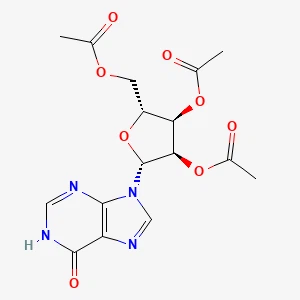
2,3,5 - Triacetylinosine丨CAS 3181 - 38 - 2 is a purine nucleoside glycoside with antiviral properties. Flavonoids, a large group of polyphenolic compounds, also have antiviral activities. When 2,3,5 - Triacetylinosine is combined with certain flavonoids, they may interact synergistically to inhibit viral replication. Flavonoids can interfere with the attachment of viruses to host cells, while 2,3,5 - Triacetylinosine can block the synthesis of viral nucleic acids. Together, they can have a more potent antiviral effect against a wide range of viruses, such as influenza viruses and herpes viruses.
Cytidylic Acid and Terpenoids
Cytidylic Acid丨CAS 63 - 37 - 6 is a pyrimidine nucleotide glycoside that is involved in nucleic acid synthesis. Terpenoids are a diverse group of natural products with various biological activities, including immunomodulatory effects. Cytidylic acid can provide the necessary building blocks for the synthesis of RNA and DNA, while terpenoids can enhance the immune response. When used in combination, they can support the body's ability to fight against infections and diseases. For example, some terpenoids can stimulate the production of immune cells, and cytidylic acid can ensure the proper functioning of these cells by providing the necessary nucleic acids for their growth and division.
Implications of Glycoside - Natural Product Interactions
In Medicine
The interactions between glycosides and other natural products have significant implications in medicine. Understanding these interactions can help in the development of more effective herbal medicines and combination therapies. For example, by combining glycosides with other natural products in a synergistic way, we can create formulations that have enhanced therapeutic effects with fewer side effects. This is especially important in the treatment of chronic diseases, where a multi - target approach is often needed.
In Food and Nutrition
In the field of food and nutrition, the interactions between glycosides and other natural products can affect the nutritional value and health benefits of foods. For example, fruits and vegetables contain a variety of glycosides and other natural products. The synergistic interactions between these compounds can enhance the antioxidant, anti - inflammatory, and other health - promoting properties of the foods. By promoting the consumption of foods rich in these interacting compounds, we can improve public health and prevent diet - related diseases.
Conclusion
As a glycosides supplier, I am excited about the potential of glycosides and their interactions with other natural products. The diverse types of interactions, including synergistic, antagonistic, and additive, offer a wide range of possibilities for research and development. Whether it is in medicine, food, or other fields, understanding these interactions can lead to the creation of more effective products and better health outcomes.
If you are interested in exploring the world of glycosides and their potential interactions with other natural products, or if you are looking to source high - quality glycosides for your research, development, or production needs, we are here to help. We can provide you with detailed information about our products and assist you in finding the right glycosides for your specific requirements. Contact us to start a procurement discussion and discover the benefits of working with a reliable glycosides supplier.
References
- Harborne, J. B., & Baxter, H. (Eds.). (1993). Natural Product Chemistry. Chapman and Hall.
- Cragg, G. M., & Newman, D. J. (2013). Natural products: a continuing source of novel drug leads. Biochimica et Biophysica Acta (BBA) - General Subjects, 1830(6), 3670 - 3695.
- Williamson, E. M., Clifford, M. N., & Brown, N. J. (Eds.). (2013). Phytopharmacy: Plant Drugs in Clinical Practice. Pharmaceutical Press.