
Hey there! As an amino acid supplier, I've seen firsthand how these little molecules play a huge role in all sorts of biological processes. One super interesting area is how amino acids contribute to the synthesis of elastin. So, let's dig into it!
What's Elastin Anyway?
Elastin is a crucial protein in our bodies. It's like the elastic bands that keep things stretchy. You can find it in places like our skin, blood vessels, and lungs. In our skin, elastin gives it that bounce - when you pinch your skin, it goes back to its normal shape, thanks to elastin. In blood vessels, it helps them expand and contract as blood flows through, and in the lungs, it's essential for breathing in and out smoothly.
Amino Acids: The Building Blocks
Amino acids are the building blocks of proteins, and elastin is no exception. There are around 20 different amino acids that can be combined in various ways to form different proteins. For elastin, specific amino acids are key players in its synthesis.
Proline and Glycine
Proline and glycine are two of the most abundant amino acids in elastin. Proline gives the protein its unique shape. It has a ring - like structure that helps bend the protein chain in specific ways. Glycine, on the other hand, is small and flexible. It allows the protein chains to pack closely together, which is important for the elasticity of elastin.
Lysine
Lysine is another important amino acid. It helps in the cross - linking of elastin molecules. Cross - linking is like tying the protein chains together. When lysine residues on different elastin molecules react, they form strong bonds that hold the elastin network in place. This network is what gives elastin its ability to stretch and then return to its original shape.
The Synthesis Process
The synthesis of elastin is a complex process that happens inside our cells. It starts in the endoplasmic reticulum, a part of the cell where proteins are made. First, the genetic code in our DNA is used to make a messenger RNA (mRNA) molecule. This mRNA then travels to the ribosomes, which are like the protein - making factories in the cell.
At the ribosomes, amino acids are brought in one by one according to the instructions on the mRNA. As the amino acids are added, they form a long chain called a polypeptide. This polypeptide is the precursor to elastin, called tropoelastin.

Once tropoelastin is made, it is transported out of the cell. Outside the cell, enzymes come into play. These enzymes help with the cross - linking process, mainly using lysine residues as I mentioned earlier. This cross - linking turns the individual tropoelastin molecules into a large, elastic network of elastin.
Specific Amino Acids and Their Roles
Arginine Oxoglurate丨CAS 16856 - 18 - 1
Arginine Oxoglurate might not be as well - known as some of the other amino acids in elastin synthesis, but it still plays a role. Arginine is involved in the production of nitric oxide, a molecule that can affect blood flow. Good blood flow is important for delivering nutrients, including other amino acids, to the cells where elastin is being made. So, in a way, Arginine Oxoglurate can support the overall environment for elastin synthesis.
Sodium Aspartate Monohydrate丨CAS 323194 - 76 - 9
Sodium Aspartate Monohydrate contains aspartate, an amino acid that is involved in the citric acid cycle, a series of chemical reactions that produce energy in the cell. Since the synthesis of elastin requires energy, aspartate helps provide the fuel needed for the cell to make elastin efficiently.
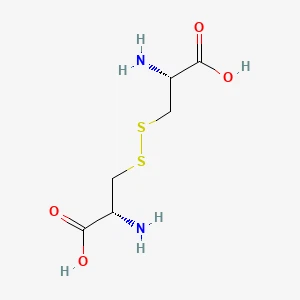
L - Cystine丨CAS 56 - 89 - 3
L - Cystine contains sulfur atoms. Sulfur is important for the formation of disulfide bonds. Although disulfide bonds are not as common in elastin as in some other proteins, they can still contribute to the stability and structure of the elastin network.
Factors Affecting Elastin Synthesis
There are several factors that can affect how well amino acids contribute to elastin synthesis.
Age
As we get older, our bodies become less efficient at making elastin. The production of tropoelastin decreases, and the cross - linking process may not work as well. This is why our skin starts to lose its elasticity and we get wrinkles as we age.
Diet
A diet rich in amino acids is essential for good elastin synthesis. If you don't get enough of the key amino acids like proline, glycine, and lysine, your body won't be able to make elastin properly. That's where we, as an amino acid supplier, come in. We can provide high - quality amino acids to help support your body's elastin production.
Sun Exposure
Too much sun exposure can damage elastin. Ultraviolet (UV) rays from the sun can break down the elastin fibers in our skin, making it less elastic. This is why it's important to protect your skin from the sun, but also to make sure your body has the right amino acids to repair and replace the damaged elastin.
Why Choose Our Amino Acids?
We're an amino acid supplier that focuses on quality. Our amino acids are sourced from reliable manufacturers and are carefully tested to ensure purity and potency. Whether you're a researcher studying elastin synthesis, a supplement manufacturer looking to create products for skin health, or someone interested in maintaining their own elastin levels, we've got you covered.
Our products are available in different forms, like powders and capsules, so you can choose the one that suits your needs best. And we offer competitive prices without compromising on quality.
Let's Connect!
If you're interested in learning more about how our amino acids can contribute to elastin synthesis or if you're ready to place an order, don't hesitate to reach out. We're here to answer your questions and help you find the right amino acids for your needs. Let's work together to support healthy elastin production!
References
- Alberts, B., Johnson, A., Lewis, J., Raff, M., Roberts, K., & Walter, P. (2002). Molecular Biology of the Cell. Garland Science.
- Lodish, H., Berk, A., Matsudaira, P., Kaiser, C. A., Krieger, M., Scott, M. P., Zipursky, S. L., & Darnell, J. (2004). Molecular Cell Biology. W. H. Freeman.
- Stryer, L. (1995). Biochemistry. W. H. Freeman.