Can vitamins prevent cataracts? That's a question that's been floating around in the health and wellness community for quite some time. As a vitamins supplier, I've had a lot of customers asking me about this. So, I thought I'd dig deep into the research and share what I've found with you all.
First off, let's talk about what cataracts are. Cataracts are a common eye condition where the lens of your eye becomes cloudy. This cloudiness can lead to blurry vision, sensitivity to light, and even vision loss in severe cases. It's more common in older people, but it can also be caused by other factors like diabetes, smoking, and prolonged exposure to sunlight.
Now, onto the big question: Can vitamins prevent cataracts? Well, there's some evidence that certain vitamins might play a role in reducing the risk of cataracts.
Let's start with Vitamin C. It's a powerful antioxidant that helps protect your cells from damage caused by free radicals. Free radicals are unstable molecules that can cause oxidative stress in the body, which has been linked to the development of cataracts. Some studies have shown that people with higher levels of Vitamin C in their diet or through supplements may have a lower risk of developing cataracts. Foods rich in Vitamin C include oranges, strawberries, bell peppers, and broccoli. But if you're not getting enough through your diet, a Vitamin C supplement could be a good option.
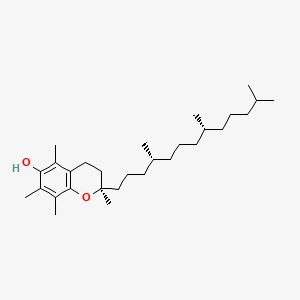
Then there's Vitamin E. Like Vitamin C, it's also an antioxidant. It works in tandem with Vitamin C to protect the cells in your eyes from oxidative damage. Some research suggests that Vitamin E may help slow down the progression of cataracts. You can find Vitamin E in nuts, seeds, and vegetable oils. However, taking high - dose Vitamin E supplements may have some risks, so it's always a good idea to talk to your doctor before starting any new supplement regimen.
Another important vitamin is Vitamin A. Vitamin A is essential for good eye health. It helps maintain the cornea, the clear outer layer of the eye. Vitamin A Acetate丨CAS 127 - 47 - 9 is a form of Vitamin A that can be used in supplements. It plays a crucial role in the production of a pigment in the retina that's necessary for vision. A deficiency in Vitamin A can lead to night blindness and other eye problems. While it's not entirely clear if Vitamin A can directly prevent cataracts, ensuring you have enough of it in your system is definitely important for overall eye health.
Lutein and Zeaxanthin are also worth mentioning. These are carotenoids, which are pigments found in many fruits and vegetables. They're concentrated in the macula of the eye, which is responsible for central vision. Some studies have shown that higher intake of lutein and zeaxanthin may be associated with a lower risk of cataracts. You can find these carotenoids in leafy green vegetables like spinach and kale.
B - vitamins are also important. For example, Calcium Pantothenate丨CAS 137 - 08 - 6 is a form of Vitamin B5. B - vitamins are involved in many biochemical processes in the body, including those related to eye health. While there's not as much direct evidence linking B - vitamins specifically to cataract prevention as there is for some other vitamins, they are still an important part of a balanced diet for overall well - being.
And let's not forget about Vitamin K2(MK - 7)丨CAS 2124 - 57 - 4. Vitamin K2 is involved in calcium metabolism. Proper calcium regulation is important for maintaining the structure and function of the eye. Some emerging research suggests that Vitamin K2 may have a role in eye health, although more studies are needed to fully understand its impact on cataract prevention.
However, it's important to note that while these vitamins may have some potential benefits, they're not a magic bullet. Cataracts are a complex condition, and many factors contribute to their development, including genetics, age, and lifestyle. So, taking vitamins alone won't guarantee that you won't develop cataracts.


It's also crucial to have a balanced diet. Eating a variety of fruits, vegetables, whole grains, lean proteins, and healthy fats is the best way to get all the nutrients your body needs. Supplements should be used to complement your diet, not replace it.
As a vitamins supplier, I've seen a growing interest in vitamins for eye health. We offer a wide range of high - quality vitamin supplements that are carefully formulated to provide the nutrients your eyes need. Whether you're looking for Vitamin C, Vitamin E, or any of the other vitamins we've talked about, we've got you covered.
If you're interested in learning more about our vitamin products or have any questions about using vitamins to support eye health, don't hesitate to reach out. We're here to help you make informed decisions about your health. You can contact us to discuss your specific needs and find the right supplements for you.
In conclusion, while the evidence on whether vitamins can prevent cataracts is still evolving, there's enough reason to believe that certain vitamins can play a role in maintaining good eye health. By incorporating a balanced diet and, if necessary, appropriate vitamin supplements into your routine, you may be able to reduce your risk of developing cataracts. But always consult with your doctor before starting any new supplement.
References:
- Age - Related Eye Disease Study Research Group. “A randomized, placebo - controlled, clinical trial of high - dose supplementation with vitamins C and E, beta carotene, and zinc for age - related macular degeneration and vision loss: AREDS report no. 8.” Archives of Ophthalmology, 2001.
- Jacques PF, Chylack LT Jr. “Diet and cataract.” Ophthalmology Clinics of North America, 1991.
- Taylor A. “Nutritional factors and the risk of cataract.” American Journal of Clinical Nutrition, 1999.