Hey there! As an amino acids supplier, I've seen firsthand how these little molecules play a huge role in metabolism. So, let's dive into what amino acids are and how they're involved in our body's metabolic processes.
First off, what are amino acids? Well, they're the building blocks of proteins. You can think of them like the Lego bricks that come together to form all sorts of different protein structures in our bodies. There are 20 different amino acids, and our bodies need them for a whole bunch of functions. Some amino acids can be made by our bodies, and these are called non - essential amino acids. On the other hand, essential amino acids can't be made by our bodies, so we have to get them from our diet.
Now, let's talk about metabolism. Metabolism is basically all the chemical reactions that happen in our bodies to keep us alive and functioning. It includes processes like breaking down food to get energy, building new cells and tissues, and getting rid of waste. Amino acids are super important in all these aspects of metabolism.

One of the key roles of amino acids in metabolism is energy production. When we eat protein - rich foods, our bodies break down the proteins into individual amino acids. Some of these amino acids can be converted into glucose through a process called gluconeogenesis. Glucose is a major source of energy for our cells, especially for our brain and red blood cells. For example, amino acids like alanine and glutamine can be used in this way. When our body needs more energy, it can break down muscle proteins to release these amino acids and turn them into glucose.
Amino acids are also crucial for building and repairing tissues. Our muscles, skin, hair, and nails are all made up of proteins. When we exercise or get injured, our body needs to repair and build new tissues. Amino acids are used to synthesize new proteins for this purpose. For instance, lysine and leucine are very important for muscle protein synthesis. If you're an athlete or someone who works out regularly, getting enough of these amino acids in your diet can help you build and maintain muscle mass.
Another important role of amino acids is in the synthesis of important molecules in our body. For example, amino acids are used to make neurotransmitters. Neurotransmitters are chemicals that help our nerve cells communicate with each other. Tryptophan is an amino acid that is used to make serotonin, a neurotransmitter that regulates mood, sleep, and appetite. If you're feeling down or having trouble sleeping, it could be because your body isn't getting enough tryptophan. You can find tryptophan in foods like turkey, eggs, and nuts. Check out L - Tryptophan丨CAS 73 - 22 - 3 for more information on this important amino acid.
Amino acids are also involved in the production of hormones. Hormones are chemicals that regulate many processes in our body, such as growth, metabolism, and reproduction. For example, tyrosine is an amino acid that is used to make thyroid hormones, which control our body's metabolism rate. If our thyroid gland isn't producing enough hormones, our metabolism can slow down, and we might gain weight.
In addition to these functions, amino acids play a role in the immune system. Our immune system is made up of cells and proteins that help us fight off infections and diseases. Amino acids are used to make antibodies, which are proteins that recognize and destroy foreign invaders like bacteria and viruses. Glutamine, for example, is important for the function of immune cells. It helps these cells grow and divide, and it also provides energy for them.
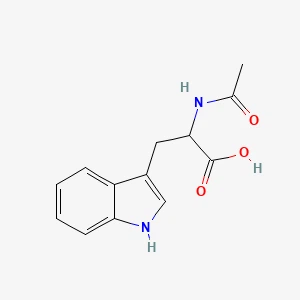
Now, let's talk about some specific amino acids and their roles. N - Acetyl - DL - tryptophan丨CAS 87 - 32 - 1 is a modified form of tryptophan. It has some unique properties and can be used in different applications. It might be more stable and have better bioavailability compared to regular tryptophan in some cases. This can be useful in dietary supplements or functional foods.
3 - (Imidazol - 4 - yl)propionic Acid丨CAS 1074 - 59 - 5 is another interesting amino - acid - related compound. It's involved in some metabolic pathways and might have potential health benefits. Research is still ongoing to fully understand its functions, but it shows promise in areas like gut health and metabolic regulation.
As an amino acids supplier, I know how important it is to have high - quality amino acids for different industries. Whether it's the food industry, the pharmaceutical industry, or the sports nutrition industry, the right amino acids can make a big difference. In the food industry, amino acids are used to enhance the flavor and nutritional value of foods. In the pharmaceutical industry, they can be used to make drugs for various health conditions. And in the sports nutrition industry, amino acid supplements are popular among athletes and fitness enthusiasts.
If you're in an industry that uses amino acids, or if you're just someone interested in getting high - quality amino acids for personal use, I'd love to talk to you. We have a wide range of amino acids available, and we can provide you with the best products at competitive prices. Whether you need a small amount for research or a large quantity for industrial production, we can meet your needs. Don't hesitate to reach out if you want to discuss your requirements and start a partnership.
In conclusion, amino acids are incredibly important in metabolism. They're involved in energy production, tissue building and repair, synthesis of important molecules, and immune function. Understanding the role of amino acids can help us make better choices about our diet and health. And if you're in the market for amino acids, I'm here to help you get the best ones out there.
References
- Murray, R. K., Bender, D. A., Botham, K. M., Kennelly, P. J., Rodwell, V. W., & Weil, P. A. (2013). Harper's Illustrated Biochemistry. McGraw - Hill Education.
- Berg, J. M., Tymoczko, J. L., & Stryer, L. (2007). Biochemistry. W. H. Freeman.
- Gropper, S. S., Smith, J. L., & Carr, T. P. (2018). Advanced Nutrition and Human Metabolism. Cengage Learning.