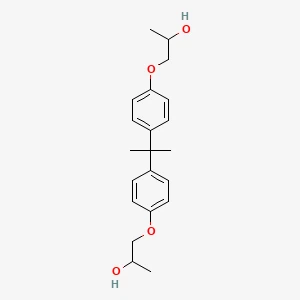
As a seasoned supplier of surfactants, I've witnessed firsthand the transformative power of these remarkable substances in various industries. Surfactants, a portmanteau of "surface-active agents," are compounds that lower the surface tension between two liquids or between a liquid and a solid. This property allows them to spread and wet surfaces more effectively, making them indispensable in a wide range of applications, from cleaning products and personal care items to industrial processes and agricultural formulations.
In this blog post, we'll delve into the fascinating world of surfactant wetting properties, exploring the science behind them, their practical implications, and how they can benefit your business. Whether you're a manufacturer looking to optimize your product formulations or a researcher seeking to understand the fundamental principles of surface chemistry, this guide is for you.
Understanding Surface Tension
Before we can understand the wetting properties of surfactants, we must first grasp the concept of surface tension. Surface tension is a measure of the cohesive forces between molecules at the surface of a liquid. These forces cause the liquid to minimize its surface area, resulting in a spherical shape (like a water droplet). The higher the surface tension, the more difficult it is for the liquid to spread and wet a surface.
Surfactants work by reducing the surface tension of a liquid. They do this by adsorbing at the liquid's surface, with their hydrophilic (water-loving) heads oriented towards the liquid and their hydrophobic (water-repelling) tails oriented towards the air or the non-polar phase. This arrangement disrupts the cohesive forces between the liquid molecules, making it easier for the liquid to spread and wet the surface.
Types of Wetting
There are three main types of wetting: adhesion wetting, spreading wetting, and immersion wetting. Each type is characterized by the degree of contact between the liquid and the solid surface and has different applications.
Adhesion Wetting
Adhesion wetting occurs when a liquid comes into contact with a solid surface and adheres to it. This type of wetting is essential for applications such as coating, painting, and printing. Surfactants can improve adhesion wetting by reducing the surface tension of the liquid, allowing it to spread more evenly over the surface and form a strong bond.
Spreading Wetting
Spreading wetting occurs when a liquid spreads over a solid surface to form a thin film. This type of wetting is important for applications such as cleaning, where the liquid needs to cover a large surface area to remove dirt and contaminants. Surfactants can enhance spreading wetting by reducing the interfacial tension between the liquid and the solid, allowing the liquid to flow more easily and cover the surface more effectively.
Immersion Wetting
Immersion wetting occurs when a solid is completely submerged in a liquid. This type of wetting is crucial for applications such as oil recovery and wetting agents in soil. Surfactants can facilitate immersion wetting by reducing the contact angle between the liquid and the solid, allowing the liquid to penetrate the pores and gaps of the solid more easily.
Factors Affecting Wetting Properties
Several factors can influence the wetting properties of surfactants, including their chemical structure, concentration, temperature, and the nature of the surface.
Chemical Structure
The chemical structure of a surfactant plays a crucial role in determining its wetting properties. Surfactants can be classified into four main types based on their charge: anionic, cationic, non-ionic, and amphoteric. Each type has different wetting characteristics and is suitable for different applications.
- Anionic Surfactants: These surfactants have a negative charge and are commonly used in cleaning products due to their excellent wetting and emulsifying properties. Examples include sodium dodecyl sulfate (SDS) and 2-Phosphonobutane-1,2,4-tricarboxylic Acid丨CAS 37971-36-1.
- Cationic Surfactants: These surfactants have a positive charge and are often used in fabric softeners and hair conditioners due to their ability to adsorb onto negatively charged surfaces. Examples include cetyltrimethylammonium bromide (CTAB) and Capric Dimethyl Amine Oxide丨CAS 2605-79-0.
- Non-Ionic Surfactants: These surfactants have no charge and are known for their excellent solubilization and emulsification properties. They are widely used in personal care products, detergents, and industrial applications. Examples include polyoxyethylene lauryl ether and Potassium Stearate丨CAS 593-29-3.
- Amphoteric Surfactants: These surfactants have both positive and negative charges and are suitable for use in a wide range of applications due to their mildness and compatibility with other surfactants. Examples include cocamidopropyl betaine and lauryl dimethyl amine oxide.
Concentration
The concentration of a surfactant also affects its wetting properties. Generally, increasing the surfactant concentration will lead to a decrease in surface tension and an improvement in wetting. However, there is a limit to this effect, known as the critical micelle concentration (CMC). Beyond the CMC, the surfactant molecules form micelles, and further increases in concentration have little effect on surface tension.
Temperature
Temperature can also influence the wetting properties of surfactants. As the temperature increases, the surface tension of the liquid decreases, which can improve wetting. However, high temperatures can also cause the surfactant to lose its effectiveness due to thermal degradation or changes in its molecular structure.
Surface Nature
The nature of the surface being wetted is another important factor. Surfaces can be classified as hydrophilic (water-loving) or hydrophobic (water-repelling). Surfactants can be used to change the wetting behavior of a surface by adsorbing onto it and altering its surface energy. For example, a hydrophobic surface can be made more hydrophilic by treating it with a suitable surfactant.
Practical Applications
The wetting properties of surfactants have numerous practical applications in various industries. Here are some examples:
Cleaning Products
Surfactants are the key ingredients in cleaning products such as detergents, dishwashing liquids, and laundry detergents. They help to reduce the surface tension of water, allowing it to penetrate and remove dirt and stains more effectively. Surfactants also help to emulsify oils and grease, making them easier to rinse away.


Personal Care Products
In personal care products such as shampoos, body washes, and facial cleansers, surfactants are used to create a lather and remove dirt and oil from the skin and hair. They also help to condition the hair and skin, leaving them feeling soft and smooth.
Industrial Processes
Surfactants are widely used in industrial processes such as metal cleaning, ore flotation, and oil recovery. In metal cleaning, surfactants help to remove grease, oil, and other contaminants from the metal surface, preparing it for further processing. In ore flotation, surfactants are used to selectively separate valuable minerals from the ore. In oil recovery, surfactants are used to reduce the interfacial tension between the oil and the water, allowing the oil to be more easily extracted from the reservoir.
Agricultural Formulations
In agricultural formulations, surfactants are used to improve the wetting and spreading of pesticides and fertilizers on plant surfaces. This helps to ensure that the active ingredients are evenly distributed and effectively absorbed by the plants, enhancing their efficacy.
Choosing the Right Surfactant
Choosing the right surfactant for your application is crucial to achieving the desired wetting properties. Here are some factors to consider when selecting a surfactant:
Application Requirements
Consider the specific requirements of your application, such as the type of surface to be wetted, the temperature and pH conditions, and the presence of other chemicals. Different surfactants have different properties and are suitable for different applications.
Chemical Compatibility
Ensure that the surfactant is compatible with other chemicals in your formulation. Some surfactants may react with other chemicals, leading to reduced performance or the formation of unwanted by-products.
Environmental Impact
Consider the environmental impact of the surfactant. Some surfactants may be biodegradable and environmentally friendly, while others may persist in the environment and have negative effects on aquatic life.
Cost
Finally, consider the cost of the surfactant. While high-quality surfactants may be more expensive, they may also offer better performance and longer-lasting results, which can ultimately save you money in the long run.
Contact Us for Your Surfactant Needs
As a leading surfactant supplier, we offer a wide range of high-quality surfactants with excellent wetting properties. Our team of experts can help you choose the right surfactant for your application and provide you with technical support and advice. Whether you're looking for anionic, cationic, non-ionic, or amphoteric surfactants, we have the solution for you.
If you're interested in learning more about our surfactant products or have any questions, please don't hesitate to contact us. We look forward to working with you to meet your surfactant needs and help you achieve your business goals.
References
- Adamson, A. W., & Gast, A. P. (1997). Physical chemistry of surfaces. Wiley.
- Rosen, M. J., & Kunjappu, J. T. (2012). Surfactants and interfacial phenomena. Wiley.
- Birdi, K. S. (1997). Handbook of surface and colloid chemistry. CRC Press.