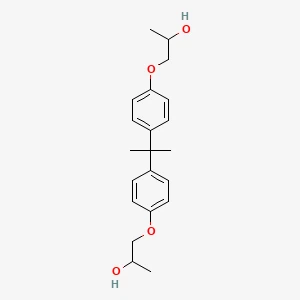
Antioxidants are substances that can prevent or slow damage to cells caused by free radicals, unstable molecules that the body produces as a reaction to environmental and other pressures. As an antioxidants supplier, I have in - depth knowledge of the various types of antioxidants available in the market. In this blog, I'll explore the different types of antioxidants, their properties, and applications.
1. Phenolic Antioxidants
Phenolic antioxidants are one of the most widely used types of antioxidants. They contain a phenol group, which is responsible for their antioxidant activity. The phenol group can donate a hydrogen atom to a free radical, thereby neutralizing it and preventing further damage to cells or other molecules.
One well - known phenolic antioxidant is 2,2 - Methylenebis(6 - tert - butyl - 4 - methylphenol) 丨CAS 119 - 47 - 1 [/catalysts - auxiliaries/antioxidants/2 - 2 - methylenebis - 6 - tert - butyl - 4 - methylphenol.html]. It is a hindered phenolic antioxidant, which means it has bulky groups around the phenolic hydroxyl group. These bulky groups protect the phenolic hydroxyl group from being easily oxidized and enhance its stability. This antioxidant is commonly used in polymers, such as polyethylene and polypropylene, to prevent their oxidation during processing and long - term use. It helps to maintain the mechanical properties and appearance of the polymers, such as preventing yellowing and embrittlement.
Another example of phenolic antioxidants is Hydroquinone Monomethyl Ether (4 - Methoxyphenol) 丨CAS 150 - 76 - 5 [/catalysts - auxiliaries/antioxidants/hydroquinone - monomethyl - ether - 4 - methoxyphenol.html]. It is often used as an inhibitor in the polymerization of monomers. During the storage and transportation of monomers, there is a risk of spontaneous polymerization. Hydroquinone Monomethyl Ether can act as an antioxidant to prevent this unwanted polymerization by scavenging free radicals that could initiate the polymerization reaction. It is also used in some cosmetic products to prevent the oxidation of ingredients and maintain the stability of the product.
2. Amine Antioxidants
Amine antioxidants are another important class of antioxidants. They work by reacting with free radicals through a different mechanism compared to phenolic antioxidants. Amine antioxidants can react with peroxy radicals, which are highly reactive and can cause significant damage to materials.
N - Phenyl - N - cyclohexyl - p - phenylenediamine丨CAS 101 - 87 - 1 [/catalysts - auxiliaries/antioxidants/n - phenyl - n - cyclohexyl - p - phenylenediamine - cas.html] is a typical amine antioxidant. It is widely used in the rubber industry. Rubber products are prone to oxidation, especially when exposed to heat, oxygen, and ozone. This antioxidant can protect rubber from oxidative degradation, improving its resistance to aging, cracking, and loss of elasticity. It forms a protective layer on the surface of the rubber, which can scavenge free radicals and prevent the oxidation process from occurring.


3. Sulfur - containing Antioxidants
Sulfur - containing antioxidants play a crucial role in many applications. They can decompose hydroperoxides, which are intermediate products in the oxidation process. By decomposing hydroperoxides, they prevent the formation of more reactive free radicals and thus slow down the overall oxidation process.
Dilauryl thiodipropionate (DLTDP) is a common sulfur - containing antioxidant. It is often used in combination with phenolic antioxidants in polymers. The combination of DLTDP and phenolic antioxidants can provide synergistic antioxidant effects. DLTDP can decompose hydroperoxides formed during the oxidation of polymers, while phenolic antioxidants can scavenge free radicals. This combination can effectively improve the long - term stability of polymers, especially in applications where the polymers are exposed to high temperatures and oxygen for extended periods.
4. Natural Antioxidants
In addition to synthetic antioxidants, natural antioxidants are also gaining increasing attention. They are derived from natural sources such as plants, fruits, and vegetables.
Vitamin C (ascorbic acid) is a well - known natural antioxidant. It is water - soluble and can scavenge free radicals in aqueous environments. Vitamin C is widely used in the food and beverage industry to prevent the oxidation of food ingredients, such as preventing the browning of fruits and vegetables. It can also enhance the immune system in the human body by protecting cells from oxidative damage.
Tocopherols (vitamin E) are another group of natural antioxidants. They are fat - soluble and can protect lipids from oxidation. Tocopherols are commonly used in the cosmetic and food industries. In cosmetics, they can prevent the oxidation of oils and fats in creams and lotions, maintaining the quality and stability of the products. In the food industry, they are used to prevent the rancidity of oils and fatty foods.
5. Enzymatic Antioxidants
Enzymatic antioxidants are proteins that can catalyze reactions to remove free radicals. Superoxide dismutase (SOD) is an important enzymatic antioxidant. It can catalyze the dismutation of superoxide anions into oxygen and hydrogen peroxide. Superoxide anions are highly reactive free radicals that can cause damage to cells and DNA. SOD helps to reduce the concentration of superoxide anions in the body, protecting cells from oxidative stress.
Catalase is another enzymatic antioxidant. It can decompose hydrogen peroxide into water and oxygen. Hydrogen peroxide is a reactive oxygen species that can cause damage to cells if its concentration is too high. Catalase plays a vital role in maintaining the balance of reactive oxygen species in cells.
Applications of Different Antioxidants
The choice of antioxidants depends on the specific application. In the polymer industry, phenolic and sulfur - containing antioxidants are commonly used to protect polymers from oxidation during processing and use. For example, in the production of plastic products for automotive parts, antioxidants are added to ensure the long - term durability and performance of the parts.
In the food industry, natural antioxidants such as vitamin C and vitamin E are preferred due to their safety and consumer acceptance. They are used to extend the shelf - life of food products and maintain their nutritional value.
In the cosmetic industry, antioxidants are used to prevent the oxidation of cosmetic ingredients, such as oils, fats, and pigments. This helps to maintain the appearance, texture, and stability of cosmetic products.
Why Choose Our Antioxidants
As an antioxidants supplier, we offer a wide range of high - quality antioxidants, including all the types mentioned above. Our products are manufactured using advanced production processes, which ensure high purity and stability. We also provide customized solutions according to the specific needs of our customers. Whether you are in the polymer, food, cosmetic, or other industries, we can offer the most suitable antioxidants for your applications.
If you are interested in our antioxidants or have any questions about the selection and use of antioxidants, please feel free to contact us for procurement and further discussions. We are committed to providing you with the best products and services to meet your antioxidant needs.
References
- Halliwell, B., & Gutteridge, J. M. C. (2015). Free Radicals in Biology and Medicine. Oxford University Press.
- Kirk - Othmer Encyclopedia of Chemical Technology. Wiley.
- Cosmetic Ingredient Review Expert Panel. (2000). Final report on the safety assessment of ascorbic acid, calcium ascorbate, magnesium ascorbyl phosphate, sodium ascorbate, ascorbyl acetate, ascorbyl dipalmitate, ascorbyl methylsilanol pectinate, ascorbyl palmitate, and ascorbyl stearate. International Journal of Toxicology, 19(Suppl 3), 1 - 36.