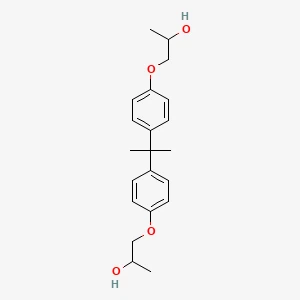

Hey there! As a borane supplier, I'm super stoked to chat about how borane plays a huge role in polymer production. Borane, which is a compound containing boron and hydrogen, has some pretty amazing properties that make it a real game - changer in the polymer world.
First off, let's talk about what polymers are. Polymers are large molecules made up of repeating subunits called monomers. They're everywhere around us, from the plastic bottles we use to the rubber in our car tires. The production of polymers involves a process called polymerization, where monomers are linked together to form these long - chain molecules. And this is where borane steps in.
One of the key ways borane is used in polymer production is as a catalyst. A catalyst is a substance that speeds up a chemical reaction without being consumed in the process. Borane - based catalysts can initiate and control polymerization reactions in some really cool ways. For example, they can help in the synthesis of polyolefins, which are a type of polymer made from simple olefin monomers like ethylene and propylene.

Borane - tetrahydrofuran Complex (CAS 14044 - 65 - 6) [/chemical - synthesis/borane/borane - tetrahydrofuran - complex - cas - 14044 - 65 - 6.html] is a commonly used borane compound in polymer production. This complex can act as a reducing agent and a catalyst in various polymerization reactions. It can help break the double bonds in olefin monomers, allowing them to react with each other and form polymer chains. The unique structure of the borane - tetrahydrofuran complex gives it the ability to interact with the monomers in a very specific way, leading to the formation of polymers with well - defined structures and properties.
Another important aspect is the use of borane in the modification of polymers. Sometimes, we want to change the properties of a polymer to make it more suitable for a particular application. Borane can be used to introduce new functional groups onto the polymer chains. For instance, it can react with unsaturated polymers to add boron - containing groups. These groups can then be further modified to enhance the polymer's properties such as its solubility, adhesion, or thermal stability.
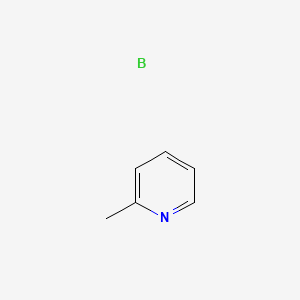
Borane - 2 - picoline Complex (CAS 3999 - 38 - 0) [/chemical - synthesis/borane/borane - 2 - picoline - complex - cas - 3999 - 38 - 0.html] is also a useful compound in this regard. It can be used in reactions where we want to selectively modify the polymer chains. The 2 - picoline ligand in the complex provides some steric and electronic effects that can control the reaction's selectivity. This means we can target specific parts of the polymer chain and introduce the desired functional groups without affecting the rest of the chain too much.
In addition to acting as a catalyst and a modifier, borane can also be involved in the synthesis of specialty polymers. Specialty polymers are those with unique properties and are often used in high - tech applications such as electronics, aerospace, and medicine. For example, some borane - containing polymers have interesting electrical and optical properties. These polymers can be used in the development of organic light - emitting diodes (OLEDs) or as sensors.
Tert - Butyl 4 - [4 - (4,4,5,5 - tetramethyl - 1,3,2 - dioxaborolan - 2 - yl) - 1H - pyrazol - 1 - yl]piperidine - 1 - carboxylate (CAS 877399 - 74 - 1) [/chemical - synthesis/borane/tert - butyl - 4 - 4 - 4 - 4 - 5 - 5 - tetramethyl - 1 - 3 - 2.html] is a more complex borane compound that can be used in the synthesis of these specialty polymers. The boronic ester group in this compound can participate in various coupling reactions, allowing for the construction of complex polymer structures. This is really important when we're trying to design polymers with very specific properties for high - end applications.
Now, let's talk a bit about the advantages of using borane in polymer production. One of the main advantages is the high selectivity that borane - based catalysts and reagents offer. As I mentioned earlier, they can target specific parts of the monomers or polymer chains, which means we can have better control over the polymer's structure and properties. This leads to the production of polymers with more consistent quality and performance.
Another advantage is the mild reaction conditions that borane - mediated reactions often require. Compared to some other catalysts and reagents used in polymer production, borane can work at relatively low temperatures and pressures. This not only saves energy but also reduces the risk of side reactions that could damage the polymer chains or lead to the formation of unwanted by - products.
However, there are also some challenges associated with using borane in polymer production. Borane compounds are often air - and moisture - sensitive, which means they need to be handled carefully in a controlled environment. Special storage and handling procedures are required to prevent the borane from reacting with air or water, which could deactivate it or lead to the formation of unwanted products.
Despite these challenges, the benefits of using borane in polymer production far outweigh the difficulties. The ability to produce high - quality polymers with well - defined structures and properties is crucial in many industries. And as a borane supplier, I'm committed to providing high - quality borane compounds to help manufacturers achieve their polymer production goals.
If you're involved in polymer production and are looking for reliable borane compounds, I'd love to have a chat with you. Whether you need Borane - tetrahydrofuran Complex, Borane - 2 - picoline Complex, or Tert - Butyl 4 - [4 - (4,4,5,5 - tetramethyl - 1,3,2 - dioxaborolan - 2 - yl) - 1H - pyrazol - 1 - yl]piperidine - 1 - carboxylate, I can offer you the right products at competitive prices. Don't hesitate to reach out for a discussion on your specific requirements and how we can work together to take your polymer production to the next level.
References
- "Polymer Chemistry" by Paul C. Hiemenz and Timothy P. Lodge
- "Advanced Organic Chemistry" by Jerry March
- Research papers on borane - mediated polymerization reactions from various scientific journals such as the Journal of Polymer Science and Macromolecules.