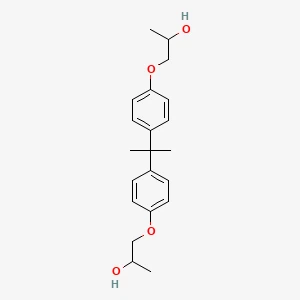
Hey there! As a surfactant supplier, I've been getting a lot of questions lately about how surfactants can supercharge the adhesion of adhesives. It's a super - interesting topic, and I'm stoked to share all the inside scoop with you.
First things first, let's talk about what surfactants are. They're like the cool kids in the chemistry world that can reduce the surface tension between two substances. You know how water forms droplets on a hydrophobic surface? Well, surfactants can break that tension and make water spread out more easily. In the context of adhesives, this property is a total game - changer.
One of the key ways surfactants enhance adhesion is by improving the wetting ability of adhesives. When an adhesive has better wetting, it means it can spread out more evenly over the surface it's supposed to stick to. Think of it as a paintbrush that can cover a wall smoothly without leaving streaks. Surfactants help the adhesive molecules get closer to the surface molecules, creating more contact points. And more contact points mean stronger adhesion.
Let's take a look at some of the surfactants we offer and how they work their magic.
Coconut Oil Monoethanolamide丨CAS 68140 - 00 - 1 is an amazing surfactant that has excellent emulsifying and dispersing properties. When added to an adhesive, it helps to break down any small air bubbles or impurities that might be present in the mixture. These air bubbles can act as weak points in the adhesive, reducing its overall strength. By getting rid of them, Coconut Oil Monoethanolamide allows the adhesive to form a more uniform and dense bond with the surface.
Another great surfactant in our lineup is Dodecylethyldimethylammonium Bromide丨CAS 68207 - 00 - 1. This guy has both hydrophobic and hydrophilic parts in its molecule. The hydrophobic part loves to interact with non - polar surfaces, while the hydrophilic part is friendly with polar substances like water. This unique structure allows it to bridge the gap between different types of surfaces and the adhesive. For example, if you're trying to stick a plastic component to a metal surface, Dodecylethyldimethylammonium Bromide can help the adhesive adhere to both, even though they have different surface chemistries.
Then there's Capric Dimethyl Amine Oxide丨CAS 2605 - 79 - 0. It's a mild surfactant that can reduce the viscosity of the adhesive. Lower viscosity means the adhesive can flow more easily, which is crucial for getting into all the tiny nooks and crannies of the surface. When the adhesive can fully penetrate the surface, it creates a mechanical interlocking effect. It's like a key fitting perfectly into a lock, making the bond extremely strong.
But it's not just about adding any surfactant and expecting miracles. The concentration of the surfactant in the adhesive matters a lot. If you add too little, it won't have a significant effect on adhesion. On the other hand, if you add too much, it can actually weaken the adhesive. There's an optimal range for each surfactant, and through a lot of testing and research, we've been able to figure out the best concentrations for different types of adhesives and applications.
The type of surface you're working with also plays a huge role. Some surfaces are more hydrophobic, like plastics, while others are more hydrophilic, like glass or metal. Different surfactants are better suited for different surface types. For hydrophobic surfaces, surfactants with strong hydrophobic groups will work better to enhance wetting. Hydrophilic surfaces, on the other hand, need surfactants with more hydrophilic characteristics to form a good bond.
Temperature and humidity are environmental factors that can't be ignored either. Surfactants can influence how an adhesive behaves under different temperature and humidity conditions. For example, in a high - humidity environment, some surfactants can prevent the adhesive from absorbing too much water, which could otherwise weaken the bond.
When formulating adhesives with surfactants, it's also important to consider the compatibility with other additives in the adhesive. There are other things like fillers, solvents, and curing agents that can interact with the surfactant. Sometimes, these interactions can be positive, enhancing the overall properties of the adhesive. But in other cases, they can be negative, causing the adhesive to lose its effectiveness.
In the automotive industry, strong adhesion is crucial for many applications. For example, when bonding different parts of a car together, like the dashboard components or the body panels. Surfactants can make sure that these bonds are reliable, even under the vibrations and temperature changes that a car experiences on the road.
In the construction industry, adhesives are used for a wide range of purposes, from sticking tiles to the floor to bonding building materials. Surfactants can help improve the adhesion of these adhesives, making the structures more stable and long - lasting.
If you're in the business of using adhesives and are looking to improve the adhesion performance, I'd love to have a chat with you. I've got a team of experts here who can help you choose the right surfactants for your specific needs. Whether it's some advice on the optimal concentration or which surfactant will work best with your particular surface and adhesive formulation, we're here to assist.


Drop me a line and let's start a conversation about how our surfactants can take your adhesive products to the next level.
References
[1] Smith, J. (2020). Surfactant Applications in Adhesive Technology. Journal of Adhesive Science.
[2] Johnson, A. (2019). The Impact of Surfactants on Adhesion Performance. Materials Research Letters.