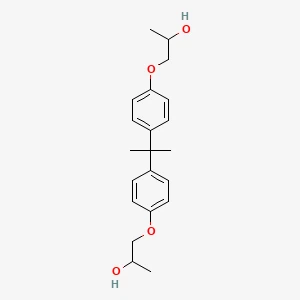
Surfactants, short for surface - active agents, are substances that can significantly reduce the surface tension or interfacial tension between two phases. As a surfactant supplier, I have witnessed firsthand how these remarkable compounds can transform the properties of inks. In this blog, I will delve into the various ways surfactants affect ink properties, exploring their impacts on surface tension, wetting, dispersion, and more.
Impact on Surface Tension
Surface tension is a fundamental property of inks that influences their behavior during application. High surface tension can cause inks to bead up on substrates, resulting in poor coverage and uneven printing. Surfactants work by adsorbing at the liquid - air interface of the ink, aligning their hydrophilic and hydrophobic groups in a way that reduces the cohesive forces between the ink molecules at the surface.
For example, non - ionic surfactants such as ethoxylated alcohols can be added to inks to lower the surface tension. This allows the ink to spread more easily on the printing substrate, whether it's paper, plastic, or metal. By reducing the surface tension, surfactants ensure that the ink forms a thin, uniform film, improving the quality of the printed image. A lower surface tension also enables the ink to penetrate porous substrates more effectively, enhancing the adhesion of the ink to the surface.
Wetting Properties
Wetting is closely related to surface tension and is crucial for the proper application of inks. Good wetting means that the ink can spread and adhere to the substrate without leaving gaps or dewetting areas. Surfactants play a vital role in improving the wetting ability of inks.
Anionic surfactants, like Palmitic Acid Sodium Salt丨CAS 408 - 35 - 5, can be used to enhance wetting. These surfactants have a negatively charged hydrophilic head and a hydrophobic tail. When added to the ink, they adsorb onto the substrate surface and the ink - substrate interface, reducing the contact angle between the ink and the substrate. A smaller contact angle indicates better wetting. For instance, in flexographic printing, where the ink needs to quickly wet the printing plate and then transfer to the substrate, surfactants are essential for achieving high - quality prints.
Dispersion of Pigments
Inks often contain pigments, which are insoluble particles that provide color. Proper dispersion of these pigments is essential to ensure uniform color distribution and prevent pigment agglomeration, which can lead to clogging of printing nozzles and uneven color in the printed image.
Surfactants act as dispersants in inks. They adsorb onto the surface of the pigment particles, creating a steric or electrostatic barrier that prevents the particles from coming together and agglomerating. Cationic surfactants, such as Dimethyldioctylammonium Chloride丨CAS 5538 - 94 - 3, can be used for this purpose. The positively charged head of the cationic surfactant attaches to the negatively charged surface of the pigment particles, while the hydrophobic tail extends into the ink medium. This creates a repulsive force between the pigment particles, keeping them well - dispersed.
Emulsion Stability
Some inks are formulated as emulsions, which are mixtures of two immiscible liquids, typically oil and water. Surfactants are used to stabilize these emulsions by reducing the interfacial tension between the oil and water phases and preventing phase separation.
Amphoteric surfactants, which have both positive and negative charges depending on the pH of the solution, can be effective in stabilizing ink emulsions. They can adsorb at the oil - water interface, forming a protective layer that prevents the oil droplets from coalescing. For example, in water - based inks with a small amount of oil - soluble additives, surfactants help maintain a stable emulsion, ensuring consistent ink properties over time.


Drying and Evaporation
Surfactants can also influence the drying and evaporation characteristics of inks. They can affect the rate at which the solvent in the ink evaporates. For example, some surfactants can form a thin film on the surface of the ink, which can either slow down or speed up the evaporation process depending on their properties.
In water - based inks, surfactants can be used to control the drying time. By adjusting the type and concentration of the surfactant, printers can optimize the drying process to suit different printing speeds and substrate materials. A surfactant that promotes faster evaporation can be beneficial in high - speed printing operations, while one that slows down evaporation may be preferred for applications where more time is needed for the ink to spread and wet the substrate.
Foaming and Defoaming
Foaming can be a problem in ink systems, especially during the mixing and application processes. Excessive foam can lead to inconsistent ink flow, air bubbles in the printed image, and difficulties in handling the ink. Surfactants can be used to either promote or suppress foaming, depending on the requirements of the ink formulation.
Certain non - ionic surfactants can act as foam stabilizers, which may be useful in some applications where a certain level of foam is desired, such as in some specialty inks. On the other hand, silicone - based surfactants are commonly used as defoamers. They can break down the foam bubbles by reducing the surface tension at the gas - liquid interface of the foam, allowing the bubbles to collapse.
Compatibility with Other Ink Components
When formulating inks, it is essential to consider the compatibility of surfactants with other ink components, such as resins, solvents, and additives. Incompatible surfactants can lead to phase separation, precipitation, or changes in the viscosity of the ink.
For example, some surfactants may react with certain resins in the ink, causing the resin to gel or precipitate. As a surfactant supplier, I always recommend conducting compatibility tests when introducing a new surfactant into an ink formulation. By carefully selecting the appropriate surfactant based on the ink's composition and intended application, printers can avoid these compatibility issues and ensure stable ink performance.
Influence on Ink Viscosity
Surfactants can also have an impact on the viscosity of inks. In some cases, surfactants can reduce the viscosity of the ink by disrupting the intermolecular forces between the ink components. This can be beneficial for improving the flowability of the ink, especially in applications such as inkjet printing, where a low - viscosity ink is required for smooth droplet formation and ejection.
However, in other situations, surfactants may increase the viscosity of the ink. For example, some surfactants can form micelles or aggregates in the ink, which can entrap the solvent and other ink components, leading to an increase in viscosity. Understanding the relationship between surfactants and ink viscosity is crucial for formulating inks with the desired rheological properties.
Environmental and Regulatory Considerations
In recent years, there has been an increasing focus on environmental and regulatory issues in the ink industry. Many traditional surfactants may contain harmful substances or have a high environmental impact. As a responsible surfactant supplier, I offer a range of environmentally friendly surfactants that meet the latest regulatory requirements.
For example, bio - based surfactants derived from renewable resources are becoming more popular. These surfactants are biodegradable and have a lower carbon footprint compared to their synthetic counterparts. They can provide similar performance benefits in inks while being more sustainable.
Conclusion
Surfactants play a multifaceted role in influencing the properties of inks. From adjusting surface tension and wetting to dispersing pigments and stabilizing emulsions, these versatile compounds are essential for achieving high - quality prints. As a surfactant supplier, I am committed to providing innovative and high - performance surfactants that meet the diverse needs of the ink industry.
If you are in the ink manufacturing or printing business and are looking for the right surfactants to improve your ink properties, I encourage you to reach out for a detailed discussion. Whether you need assistance with formulating new inks or optimizing existing ones, I have the expertise and product range to support your requirements. Contact me to start a procurement discussion and take your ink formulations to the next level.
References
- Rosen, M. J., & Kunjappu, J. T. (2012). Surfactants and Interfacial Phenomena. Wiley.
- Shaw, D. J. (1992). Introduction to Colloid and Surface Chemistry. Butterworth - Heinemann.
- Patton, T. C. (1979). Paint Flow and Pigment Dispersion: A Rheological Approach to Coating and Ink Technology. Wiley - Interscience.