
Antioxidants play a crucial role in maintaining the health of the cardiovascular system. As a supplier of high - quality antioxidants, I am excited to delve into how these remarkable substances work within the cardiovascular system.
Understanding Oxidative Stress in the Cardiovascular System
The cardiovascular system is constantly exposed to various stressors. One of the most significant threats is oxidative stress. Oxidative stress occurs when there is an imbalance between the production of reactive oxygen species (ROS) and the body's ability to neutralize them. ROS, such as superoxide anions, hydrogen peroxide, and hydroxyl radicals, are highly reactive molecules that can cause damage to cells, proteins, and DNA.
In the cardiovascular system, oxidative stress can lead to a series of detrimental effects. It can damage the endothelial cells that line the blood vessels, impairing their function. Endothelial cells are responsible for regulating blood flow, maintaining vascular tone, and preventing blood clotting. When these cells are damaged, it can lead to vasoconstriction, increased platelet aggregation, and the development of atherosclerosis.
Atherosclerosis is a chronic inflammatory disease characterized by the buildup of plaque in the arteries. Oxidative stress contributes to atherosclerosis by oxidizing low - density lipoproteins (LDL). Oxidized LDL is more easily taken up by macrophages in the arterial wall, leading to the formation of foam cells. These foam cells accumulate and form fatty streaks, which can eventually develop into atherosclerotic plaques. As the plaques grow, they can narrow the arteries, reducing blood flow and increasing the risk of heart attack and stroke.
How Antioxidants Combat Oxidative Stress
Antioxidants are substances that can neutralize ROS and prevent them from causing damage. They work through several mechanisms.
Scavenging Reactive Oxygen Species
One of the primary ways antioxidants work is by directly scavenging ROS. They donate an electron to the ROS, stabilizing the molecule and preventing it from reacting with other cellular components. For example, vitamin C is a well - known antioxidant that can scavenge superoxide anions, hydrogen peroxide, and hydroxyl radicals. It can also regenerate other antioxidants, such as vitamin E, by reducing the oxidized form of vitamin E back to its active state.
Another important antioxidant is glutathione. Glutathione is a tripeptide that is found in high concentrations in cells. It acts as a scavenger of ROS and also participates in the detoxification of xenobiotics. Glutathione peroxidase, an enzyme that uses glutathione as a substrate, can reduce hydrogen peroxide and lipid hydroperoxides, converting them into water and less reactive alcohols.
Chelating Metal Ions
Some antioxidants work by chelating metal ions. Metal ions, such as iron and copper, can catalyze the formation of ROS through the Fenton reaction. By binding to these metal ions, antioxidants can prevent them from participating in the production of ROS. For example, flavonoids, a group of plant - derived antioxidants, can chelate metal ions and reduce their ability to generate hydroxyl radicals.
Modulating Signaling Pathways
Antioxidants can also modulate signaling pathways involved in oxidative stress and inflammation. They can activate transcription factors, such as nuclear factor erythroid 2 - related factor 2 (Nrf2). Nrf2 is a key regulator of the cellular antioxidant response. When activated, Nrf2 translocates to the nucleus and binds to antioxidant response elements (AREs) in the DNA, leading to the upregulation of genes encoding antioxidant enzymes and other cytoprotective proteins.
Specific Antioxidants and Their Roles in the Cardiovascular System
There are many different types of antioxidants, each with its own unique properties and functions.
Vitamin E
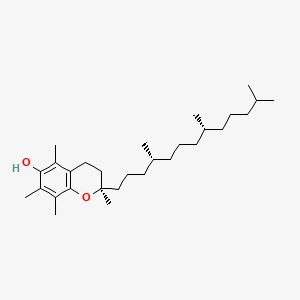
Vitamin E is a fat - soluble antioxidant that is found in cell membranes. It protects cell membranes from lipid peroxidation, which is the oxidation of unsaturated fatty acids in the membrane. By preventing lipid peroxidation, vitamin E helps to maintain the integrity and fluidity of cell membranes. In the cardiovascular system, vitamin E can reduce the oxidation of LDL, thereby preventing the formation of atherosclerotic plaques.
Vitamin C
As mentioned earlier, vitamin C is a water - soluble antioxidant that can scavenge ROS in the aqueous environment of cells and extracellular fluids. It can also enhance the antioxidant activity of vitamin E by regenerating its oxidized form. Vitamin C has been shown to improve endothelial function, reduce blood pressure, and decrease the risk of cardiovascular disease.
Polyphenols
Polyphenols are a large group of plant - derived antioxidants that include flavonoids, phenolic acids, and stilbenes. They have been shown to have multiple beneficial effects on the cardiovascular system. For example, resveratrol, a stilbene found in grapes and red wine, has been shown to have antioxidant, anti - inflammatory, and anti - platelet aggregation properties. It can also activate sirtuins, a family of proteins that are involved in regulating cellular metabolism and longevity.
Flavonoids, such as quercetin and catechins, can also reduce oxidative stress, improve endothelial function, and inhibit the proliferation of smooth muscle cells in the arterial wall. They can also modulate the expression of genes involved in lipid metabolism and inflammation.
Our Antioxidant Products
As a supplier of antioxidants, we offer a wide range of high - quality antioxidant products. For example, Butyltin Tris(2 - ethylhexanoate)丨CAS 23850 - 94 - 4 is a unique antioxidant that can provide excellent protection against oxidative degradation. It is widely used in various industries, including the polymer industry, to prevent the oxidation of polymers and extend their lifespan.
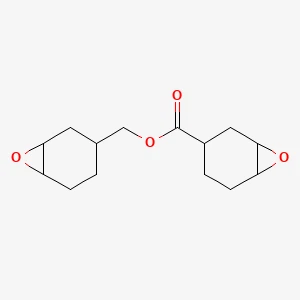
Another product we offer is 3,4 - Epoxycyclohexylmethyl 3,4 - epoxycyclohexanecarboxylate丨CAS 2386 - 87 - 0. This antioxidant has good thermal stability and can effectively protect materials from oxidative damage at high temperatures. It is suitable for use in high - performance coatings, adhesives, and composites.
Hydroquinone Monomethyl Ether (4 - Methoxyphenol)丨CAS 150 - 76 - 5 is also one of our popular antioxidant products. It is commonly used as an inhibitor of polymerization and an antioxidant in the production of monomers and polymers. It can prevent the premature polymerization of monomers during storage and processing, ensuring the quality and stability of the final products.
Conclusion
Antioxidants play a vital role in maintaining the health of the cardiovascular system by combating oxidative stress. They work through multiple mechanisms, including scavenging ROS, chelating metal ions, and modulating signaling pathways. Our company is committed to providing high - quality antioxidant products that can help protect the cardiovascular system and other biological systems from oxidative damage.

If you are interested in our antioxidant products or would like to learn more about how they can benefit your applications, we encourage you to contact us for a detailed discussion. We are ready to provide you with professional advice and support to meet your specific needs.
References
- Halliwell B, Gutteridge JMC. Free Radicals in Biology and Medicine. Oxford University Press; 2015.
- Libby P, Ridker PM, Hansson GK. Progress and challenges in translating the biology of atherosclerosis. Nature. 2011;473(7347):317 - 325.
- Valko M, Leibfritz D, Moncol J, Cronin MT, Mazur M, Telser J. Free radicals and antioxidants in normal physiological functions and human disease. Int J Biochem Cell Biol. 2007;39(1):44 - 84.