Antioxidants have become a buzzword in the health and wellness industry, but their role in the bloodstream is a topic that deserves a deeper exploration. As a leading supplier of antioxidants, I've witnessed firsthand the growing interest in these powerful compounds and their potential to safeguard our health. In this blog post, I'll delve into the science behind how antioxidants work in the bloodstream, shedding light on their mechanisms of action and the benefits they offer.
Understanding Oxidative Stress
To comprehend the role of antioxidants in the bloodstream, we must first understand oxidative stress. Our bodies are constantly exposed to various environmental factors, such as pollution, radiation, and cigarette smoke, as well as internal processes like metabolism. These factors generate free radicals, which are unstable molecules with an unpaired electron. Free radicals are highly reactive and can damage cells, proteins, and DNA, leading to oxidative stress.
Oxidative stress has been linked to a wide range of health issues, including aging, cancer, heart disease, and neurodegenerative disorders. When free radicals accumulate in the bloodstream, they can cause inflammation, disrupt cell signaling pathways, and impair the function of vital organs. This is where antioxidants come into play.
How Antioxidants Neutralize Free Radicals
Antioxidants are molecules that can neutralize free radicals by donating an electron to them without becoming unstable themselves. This process stabilizes the free radicals and prevents them from causing further damage to cells and tissues. There are several types of antioxidants, each with its own unique mechanism of action.
One of the most well-known antioxidants is vitamin C, which is water-soluble and can circulate freely in the bloodstream. Vitamin C can directly donate an electron to free radicals, converting them into more stable molecules. It can also regenerate other antioxidants, such as vitamin E, which is fat-soluble and is found in cell membranes.
Another important antioxidant is glutathione, a tripeptide that is produced naturally in the body. Glutathione can react with free radicals directly, as well as participate in enzymatic reactions that detoxify harmful substances. It also plays a crucial role in maintaining the redox balance in cells, which is essential for normal cellular function.
In addition to these endogenous antioxidants, there are also many exogenous antioxidants that can be obtained from the diet. These include polyphenols, carotenoids, and flavonoids, which are found in fruits, vegetables, nuts, and seeds. These antioxidants have been shown to have a wide range of health benefits, including reducing the risk of chronic diseases.
Antioxidants in the Bloodstream
Once antioxidants are ingested, they are absorbed into the bloodstream and transported to various tissues and organs. In the bloodstream, antioxidants can scavenge free radicals directly, as well as modulate the activity of enzymes and signaling pathways involved in oxidative stress.
For example, some antioxidants can activate the nuclear factor erythroid 2-related factor 2 (Nrf2) pathway, which is a key regulator of the cellular antioxidant response. When activated, Nrf2 translocates to the nucleus and binds to antioxidant response elements (AREs) in the DNA, leading to the upregulation of genes encoding antioxidant enzymes and other cytoprotective proteins.
Antioxidants can also interact with other molecules in the bloodstream, such as lipoproteins. Low-density lipoprotein (LDL) cholesterol is a type of lipoprotein that can be oxidized by free radicals, leading to the formation of oxidized LDL (ox-LDL). Ox-LDL is more likely to be taken up by macrophages in the arterial walls, leading to the development of atherosclerosis. Antioxidants can prevent the oxidation of LDL cholesterol, thereby reducing the risk of heart disease.
Our Antioxidant Products
As a supplier of antioxidants, we offer a wide range of high-quality products that can help protect the body against oxidative stress. Our products include 4,4-Methylenebis(2,6-di-tert-butylphenol)丨CAS 118-82-1, Gallic Acid Monohydrate丨CAS 5995-86-8, and Antioxidant 245丨CAS 36443-68-2.
4,4-Methylenebis(2,6-di-tert-butylphenol)丨CAS 118-82-1 is a phenolic antioxidant that is widely used in the polymer industry to prevent oxidation and degradation. It has excellent thermal stability and can provide long-term protection against oxidative stress.
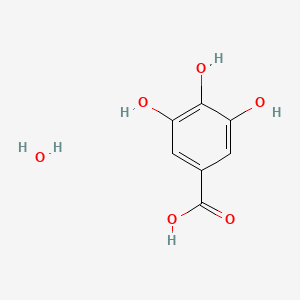
Gallic Acid Monohydrate丨CAS 5995-86-8 is a natural antioxidant that is found in many plants, including grapes, tea, and oak bark. It has been shown to have a wide range of biological activities, including antioxidant, anti-inflammatory, and anticancer properties.
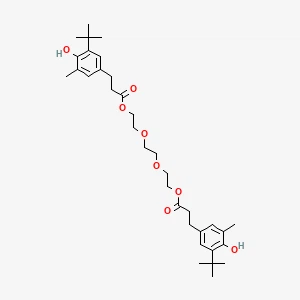
Antioxidant 245丨CAS 36443-68-2 is a hindered phenolic antioxidant that is commonly used in the plastics and rubber industries. It has excellent antioxidant performance and can provide effective protection against thermal and oxidative degradation.
Benefits of Using Our Antioxidants
By using our antioxidants, you can help protect your products from oxidative stress and extend their shelf life. Our antioxidants are of the highest quality and are manufactured using the latest technology and processes. They are also compliant with all relevant regulations and standards, ensuring their safety and effectiveness.
In addition to their technical benefits, our antioxidants can also provide health benefits when used in food, beverage, and dietary supplement applications. By reducing oxidative stress, our antioxidants can help improve overall health and well-being, as well as reduce the risk of chronic diseases.
Contact Us for Procurement
If you're interested in learning more about our antioxidants or would like to discuss your specific requirements, please don't hesitate to contact us. Our team of experts is available to provide you with detailed information and support, as well as to help you find the right antioxidant solution for your needs.
We look forward to working with you and helping you achieve your goals.
References
- Halliwell, B., & Gutteridge, J. M. C. (2015). Free Radicals in Biology and Medicine. Oxford University Press.
- Valko, M., Leibfritz, D., Moncol, J., Cronin, M. T. D., Mazur, M., & Telser, J. (2007). Free radicals and antioxidants in normal physiological functions and human disease. International Journal of Biochemistry & Cell Biology, 39(1), 44-84.
- Surh, Y. J. (2003). Cancer chemoprevention with dietary phytochemicals. Nature Reviews Cancer, 3(10), 768-780.