How do amino acids affect joint health?
Joint health is a crucial aspect of overall well - being, especially as we age. Our joints are constantly under stress from daily activities, and maintaining their proper function is essential for mobility and a high quality of life. Amino acids, the building blocks of proteins, play a significant role in joint health. As an amino acids supplier, I have witnessed firsthand the impact these small yet powerful molecules can have on joint function and repair.
The Role of Amino Acids in Joint Structure
Collagen is the main structural protein in our joints, providing strength and flexibility to cartilage, tendons, and ligaments. Amino acids such as glycine, proline, and hydroxyproline are essential for collagen synthesis. Glycine is the most abundant amino acid in collagen, making up about one - third of its structure. It helps in the formation of the triple - helix structure of collagen, which is crucial for its strength and stability. Proline and hydroxyproline also contribute to the stability of the collagen molecule by forming cross - links between the polypeptide chains.
When the body has an adequate supply of these amino acids, it can produce healthy collagen, which is essential for maintaining the integrity of joint tissues. For example, in cartilage, collagen provides a framework for the proteoglycans, which are large molecules that can absorb and retain water. This gives cartilage its shock - absorbing properties, allowing joints to move smoothly without excessive friction.
In addition to collagen synthesis, amino acids are also involved in the production of other important joint components. Glutamine, for instance, is a conditionally essential amino acid that plays a role in the synthesis of glycosaminoglycans (GAGs). GAGs are long chains of sugar molecules that are a major component of proteoglycans. They help in maintaining the hydration and elasticity of cartilage, which is vital for joint function.
Amino Acids and Joint Inflammation
Inflammation is a common problem in joints, especially in conditions such as arthritis. Amino acids can have anti - inflammatory effects, which can help in reducing joint pain and swelling. One such amino acid is arginine. Arginine is involved in the production of nitric oxide (NO), a molecule that has vasodilatory and anti - inflammatory properties. NO can help in improving blood flow to the joints, which is important for delivering nutrients and oxygen to the joint tissues and removing waste products.
Omega - 3 fatty acids are well - known for their anti - inflammatory effects, but certain amino acids can also work in synergy with them. For example, cysteine is a sulfur - containing amino acid that can help in the synthesis of glutathione, a powerful antioxidant. Glutathione can protect joint tissues from oxidative stress, which is often associated with inflammation. By reducing oxidative stress, cysteine can indirectly help in reducing joint inflammation.
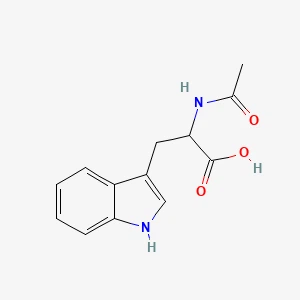
Another amino acid with anti - inflammatory potential is tryptophan. Tryptophan is a precursor for serotonin, a neurotransmitter that has been shown to have anti - inflammatory effects. N - Acetyl - DL - tryptophan丨CAS 87 - 32 - 1 is a form of tryptophan that may be beneficial for joint health due to its potential anti - inflammatory properties.
Amino Acids and Joint Repair
When joints are damaged, whether due to injury or wear and tear, the body needs to repair the damaged tissues. Amino acids are essential for this repair process. For example, leucine is a branched - chain amino acid (BCAA) that plays a key role in muscle protein synthesis. In the context of joint health, strong muscles around the joints can provide support and stability, reducing the stress on the joints themselves.
Lysine is another amino acid that is important for joint repair. It is involved in the cross - linking of collagen molecules, which is necessary for the proper formation of new collagen during the repair process. Additionally, lysine can help in the absorption of calcium, which is important for bone health. Strong bones are essential for joint health, as they provide the framework for the joints.
L - Homoserine Lactone Hydrochloride丨CAS 2185 - 03 - 7 is an amino acid derivative that may also have a role in joint repair. Although more research is needed, some studies suggest that it may be involved in the regulation of cell growth and differentiation, which could potentially be beneficial for the repair of joint tissues.
Amino Acids and Joint Lubrication
Proper joint lubrication is essential for smooth joint movement. Hyaluronic acid is a major component of synovial fluid, which acts as a lubricant in the joints. Amino acids can be involved in the synthesis of hyaluronic acid. For example, serine is an amino acid that is involved in the synthesis of glycosaminoglycans, which are precursors for hyaluronic acid.
O - acetyltyrosine丨CAS 6636 - 22 - 2 is an amino acid derivative that may also have a role in maintaining joint lubrication. While the exact mechanism is not fully understood, it is possible that it may be involved in the metabolic pathways related to the production of synovial fluid components.
The Importance of a Balanced Amino Acid Intake
To fully reap the benefits of amino acids for joint health, it is important to have a balanced amino acid intake. The body needs all the essential amino acids in the right proportions to function properly. A diet rich in high - quality protein sources such as lean meats, fish, eggs, dairy products, and legumes can provide a good supply of amino acids. However, in some cases, especially for people with specific dietary restrictions or those with joint problems, amino acid supplements may be necessary.

As an amino acids supplier, I understand the importance of providing high - quality amino acid products. Our products are carefully sourced and tested to ensure their purity and efficacy. Whether you are an individual looking to support your joint health or a company in the nutraceutical or pharmaceutical industry interested in formulating joint - health products, we can provide you with the amino acids you need.
If you are interested in learning more about our amino acid products or would like to discuss potential procurement opportunities, please feel free to reach out. We are committed to helping you find the best amino acid solutions for joint health.
References
- Myllyharju, J., & Kivirikko, K. I. (2004). Collagen biosynthesis in health and disease. Annual Review of Medicine, 55, 185 - 200.
- Calder, P. C. (2006). Amino acids and immune function. British Journal of Nutrition, 95(1), 1 - 17.
- Wolfe, R. R. (2002). Bioenergetics of amino acid metabolism: implications for nutrition. Journal of Nutrition, 132(9 Suppl), 2056S - 2060S.