Hey there! As an antioxidants supplier, I've been getting a lot of questions lately about whether antioxidants can actually help with sleep quality. So, I thought I'd dive into the research and share what I've found with you all.
First off, let's talk about what antioxidants are. In simple terms, antioxidants are substances that can prevent or slow damage to cells caused by free radicals. Free radicals are unstable molecules that can cause oxidative stress in the body, which has been linked to a whole bunch of health issues, including poor sleep.
Now, you might be wondering how exactly oxidative stress messes with your sleep. Well, it can disrupt the normal functioning of your body's internal clock, also known as the circadian rhythm. This rhythm regulates when you feel sleepy and when you feel awake. When oxidative stress throws it off balance, you might find it harder to fall asleep, stay asleep, or get that deep, restorative sleep your body needs.

So, where do antioxidants come in? The theory is that by neutralizing free radicals, antioxidants can reduce oxidative stress and potentially improve sleep quality. But does the science back this up?
There have been quite a few studies looking at the relationship between antioxidants and sleep. For example, some research has shown that certain antioxidants like melatonin (yes, it's an antioxidant too!) can help regulate the circadian rhythm and improve sleep. Melatonin is a hormone that your body naturally produces in response to darkness, and it helps signal to your body that it's time to sleep. Taking a melatonin supplement, which is rich in antioxidants, can sometimes help people who have trouble falling asleep or staying asleep.
Another antioxidant that's been getting some attention is resveratrol. It's found in grapes, red wine, and some berries. Some studies suggest that resveratrol might have a positive effect on sleep by reducing inflammation and oxidative stress in the body. Inflammation can also interfere with sleep, so by reducing it, resveratrol could potentially help you sleep better.
But it's not just these well - known antioxidants. There are many others out there that might play a role in sleep quality. For instance, Gallic Acid Monohydrate丨CAS 5995 - 86 - 8 is an antioxidant that has been studied for its various health benefits. While there's not a ton of research specifically on its effects on sleep, its ability to reduce oxidative stress could potentially have a positive impact on your sleep cycle.
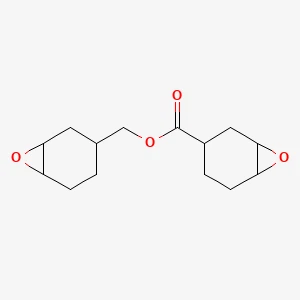
3,4 - Epoxycyclohexylmethyl 3,4 - epoxycyclohexanecarboxylate丨CAS 2386 - 87 - 0 is another antioxidant that we supply. Although research on its direct link to sleep is limited, its antioxidant properties mean it could be part of a broader strategy to improve overall health, which in turn might affect sleep quality.
And then there's N,N - diethyl - N,N - diphenylthioperoxydicarbamic Acid丨CAS 41365 - 24 - 6. This antioxidant has unique chemical properties that allow it to fight off free radicals effectively. While more research is needed to understand its impact on sleep, the potential is there.
Now, it's important to note that while antioxidants show promise in helping with sleep quality, they're not a magic bullet. Sleep is a complex process that's influenced by many factors, including your diet, stress levels, and lifestyle. For example, if you're constantly staying up late, drinking lots of caffeine, or dealing with high levels of stress, no amount of antioxidants is going to completely fix your sleep problems.
But adding antioxidants to your daily routine could be a step in the right direction. You can get antioxidants from your diet by eating plenty of fruits, vegetables, nuts, and seeds. Foods like blueberries, spinach, almonds, and green tea are all great sources of antioxidants. However, sometimes it can be hard to get enough antioxidants from food alone, especially if you have a busy lifestyle or certain dietary restrictions. That's where supplements come in.
As an antioxidants supplier, I can tell you that there are many high - quality antioxidant supplements available. These supplements can provide you with a concentrated dose of antioxidants to help support your overall health and potentially improve your sleep. But it's always a good idea to talk to your doctor before starting any new supplement, especially if you have any underlying health conditions or are taking other medications.
So, to sum it all up, while the research on the direct link between antioxidants and sleep quality is still evolving, there's enough evidence to suggest that antioxidants could play a role in improving sleep. By reducing oxidative stress and inflammation in the body, they might help regulate your circadian rhythm and promote better sleep.
If you're interested in learning more about the antioxidants we supply or are thinking about adding antioxidant supplements to your routine to potentially improve your sleep, don't hesitate to reach out. We're here to answer any questions you might have and help you find the right products for your needs. Whether you're a health enthusiast looking to optimize your sleep or a business looking for a reliable antioxidants supplier, we've got you covered. Let's start a conversation and see how we can work together to support your health goals.
References
- Barger, L. K., et al. "Oxidative stress and sleep in humans." Sleep Medicine Reviews, 2016.
- Hardeland, R., et al. "Melatonin: both a clock and an antioxidant: chronobiology and physiology from organisms to organs, cells, and subcellular compartments." Journal of Pineal Research, 2011.
- Wang, X., et al. "Resveratrol and sleep: a review of the current evidence." Frontiers in Neuroscience, 2019.