
Are vegetables good sources of antioxidants?
As a dedicated supplier of antioxidants, I've spent years exploring the diverse world of these vital compounds. Antioxidants play a crucial role in our health, combating oxidative stress and helping to prevent a range of diseases. In this blog, I'll delve into whether vegetables are indeed good sources of antioxidants, and how they compare to other sources in the market.
The Importance of Antioxidants
Before we dive into vegetables, let's first understand why antioxidants are so important. Oxidative stress occurs when there's an imbalance between free radicals and antioxidants in the body. Free radicals are unstable molecules that can damage cells, proteins, and DNA, leading to various health issues such as cancer, heart disease, and aging. Antioxidants neutralize these free radicals, protecting our cells from damage.
Vegetables as Antioxidant Sources
Vegetables are well - known for their nutritional value, and they are indeed rich sources of antioxidants. Different vegetables contain a variety of antioxidants, including vitamins (such as vitamin C and vitamin E), polyphenols, carotenoids, and flavonoids.

Vitamin - Rich Vegetables
Many vegetables are excellent sources of vitamin C, a powerful antioxidant. For example, bell peppers, especially red bell peppers, are loaded with vitamin C. Vitamin C helps boost the immune system, aids in collagen production, and has anti - inflammatory properties. Broccoli is another vegetable that is high in vitamin C, along with other antioxidants like sulforaphane, which has been shown to have anti - cancer effects.
Vitamin E is also found in some vegetables. Spinach, for instance, contains a decent amount of vitamin E. This antioxidant helps protect cell membranes from oxidative damage and has been associated with a reduced risk of heart disease.
Polyphenols and Flavonoids
Polyphenols and flavonoids are a large group of antioxidants found in vegetables. Onions and garlic are rich in flavonoids such as quercetin. Quercetin has antioxidant, anti - inflammatory, and anti - histamine properties. It may help reduce the risk of chronic diseases like heart disease and certain types of cancer.
Tomatoes are a great source of lycopene, a carotenoid antioxidant. Lycopene is known for its ability to protect against prostate cancer and other forms of cancer. It also has beneficial effects on heart health by reducing cholesterol levels and preventing the oxidation of LDL cholesterol.
Comparison with Other Antioxidant Sources
While vegetables are excellent sources of antioxidants, they are not the only ones. There are also synthetic antioxidants available in the market. For example, N - Phenyl - N - cyclohexyl - p - phenylenediamine丨CAS 101 - 87 - 1 is a well - known antioxidant used in various industrial applications. It helps prevent the oxidation of rubber and other materials, ensuring their longevity.
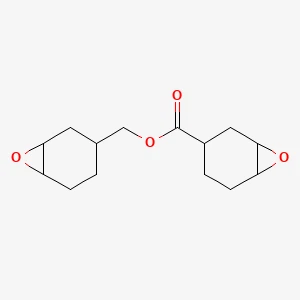
Another example is 3,4 - Epoxycyclohexylmethyl 3,4 - epoxycyclohexanecarboxylate丨CAS 2386 - 87 - 0, which is used in the production of polymers. It acts as an antioxidant, improving the stability and durability of the polymers.
Diisodecyl Phenyl Phosphite丨CAS 25550 - 98 - 5 is also a popular antioxidant in the industry. It is used in plastics and other materials to prevent oxidation and degradation.
Benefits of Vegetable - Based Antioxidants
One of the significant advantages of getting antioxidants from vegetables is that they come in a natural and balanced form. Vegetables contain a combination of different antioxidants, vitamins, minerals, and fiber, which work together synergistically to provide health benefits. For example, the fiber in vegetables helps with digestion and can also reduce the risk of heart disease and diabetes.
In addition, vegetable - based antioxidants are generally safe and have few side effects. They are part of a healthy diet, and consuming a variety of vegetables can ensure that you get a wide range of antioxidants.
Challenges of Relying Solely on Vegetables for Antioxidants
However, relying solely on vegetables for antioxidants may not be sufficient in some cases. The antioxidant content in vegetables can vary depending on factors such as the variety of the vegetable, growing conditions, and storage methods. For example, overcooking vegetables can reduce their antioxidant content.
Also, in some industrial applications, the antioxidants from vegetables may not be as effective or stable as synthetic antioxidants. Synthetic antioxidants are designed to have specific properties and can be tailored to meet the requirements of different industries.
Our Role as an Antioxidant Supplier
As an antioxidant supplier, we understand the importance of both natural and synthetic antioxidants. We offer a wide range of antioxidants, including those derived from natural sources and synthetic ones. Our products are carefully selected and tested to ensure their quality and effectiveness.
Whether you are looking for antioxidants for food products, cosmetics, or industrial applications, we have the solutions for you. We can provide you with detailed information about the antioxidants, including their properties, applications, and recommended usage.
Conclusion
In conclusion, vegetables are indeed good sources of antioxidants. They offer a natural and healthy way to obtain these vital compounds, along with other nutrients. However, in some cases, such as industrial applications, synthetic antioxidants may be more suitable. As an antioxidant supplier, we are committed to providing high - quality antioxidants to meet the diverse needs of our customers.
If you are interested in learning more about our antioxidant products or have specific requirements for your projects, we encourage you to reach out to us for further discussion and potential procurement. We look forward to working with you to find the best antioxidant solutions for your needs.
References
- Halliwell, B., & Gutteridge, J. M. C. (2015). Free Radicals in Biology and Medicine. Oxford University Press.
- Liu, R. H. (2004). Potential synergy of phytochemicals in cancer prevention: Mechanism of action. Journal of Nutrition, 134(12), 3479S - 3485S.
- Prior, R. L., & Cao, G. (2000). In vitro methods for measuring antioxidant capacity. Nature Protocols, 1(1), 525 - 533.