

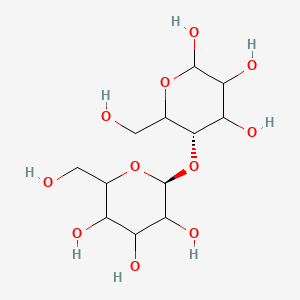
Hangzhou Leap Chem Co., Ltd. is one of the most professional manufacturers and suppliers of microcrystalline cellulose丨cas 9004-34-6 in China. Welcome to wholesale bulk high quality chemical products at competitive price from our factory. If you have any enquiry about custom service, please feel free to email us.
Specifications of Microcrystalline Cellulose | CAS 9004-34-6
|
Property |
Specification |
|
Grade |
PH 101/USP 40 |
|
Appearance |
White or similar white, fine or granular powder |
|
Assay |
97% to 102% |
|
Polymerization |
350 max |
|
Granulometry |
Remains 60 mesh <1%, remains 200 mesh >30% |
|
Conductivity |
75 µS/cm max |
|
pH Value |
5.0 to 7.5 |
|
Loss on Drying |
7.0% max |
|
Residue on Ignition |
0.1% max |
|
Water Soluble Substance |
0.25% max |
|
Ether-Soluble Substances |
0.05% max |
|
Heavy Metal |
10 ppm max |
|
Total Aerobic Microbial Count (TAMC) |
1000 cfu/g max |
|
Total Yeast and Mold Count (TYMC) |
100 cfu/g max |
Transport Information of Microcrystalline Cellulose | CAS 9004-34-6
|
Parameter |
Specification |
|
UN Number |
|
|
Class |
|
|
Packing Group |
|
|
H.S. Code |
3912900000101 |
|
Stability & Reactivity |
Stable |
|
Storage |
Store in a closed, dry, ventilated place |
|
Condition to Avoid |
Open flames, hot surfaces and sources of ignition |
|
Package |
20kg/bag |
Manufacturing Information of Microcrystalline Cellulose | CAS 9004-34-6
|
Parameter |
Specification |
|
Capacity |
200MT/month, 2865MT/year |
|
Frequency |
|
|
Main Export Countries |
|
|
Capacity/Batch |
|
|
Experience |
Production since 2005 |
|
Facilities |
Introduction of Microcrystalline Cellulose | CAS 9004-34-6
Microcrystalline Cellulose (MCC) | CAS 9004-34-6 is a purified, partially depolymerized cellulose derived from natural plant fibers. Widely utilized across the pharmaceutical, food, and cosmetic industries, MCC is renowned for its versatility as a functional excipient. With its unique properties, MCC enhances product performance and quality in a variety of applications.
Applications of Microcrystalline Cellulose | CAS 9004-34-6
1. Pharmaceutical Industry:
- Tablet and Capsule Formulations: Microcrystalline cellulose is commonly used as a binder and filler in tablet and capsule manufacturing. Its excellent compressibility allows for strong, durable tablets produced via direct compression or wet granulation techniques.
- Controlled-Release Systems: Microcrystalline Cellulose can be used in controlled-release formulations, ensuring the consistent and gradual release of active ingredients.
2. Food Industry:
- Food Additive: Microcrystalline cellulose serves as an anti-caking agent, stabilizer, and texturizer in food products, improving texture, shelf life, and consistency.
- Calorie Reduction: As a fat substitute, MCC is included in low-calorie foods to enhance mouthfeel without adding significant calories.
3. Cosmetics and Personal Care:
- Thickener and Stabilizer: In creams, lotions, and other cosmetic formulations, MCC acts as a stabilizer and thickening agent, providing desirable texture and consistency.
- Exfoliating Agent: Its granular form is sometimes incorporated into skincare products for gentle exfoliation.
Benefits of Microcrystalline Cellulose | CAS 9004-34-6
1. Exceptional Binding Properties:
- Microcrystalline Cellulose provides robust binding in tablet formulations, ensuring the production of high-quality tablets that maintain their structural integrity during handling and storage.
2. Versatility in Formulations:
- It is compatible with a wide range of active pharmaceutical ingredients (APIs) and excipients, allowing formulators to create diverse product types across industries.
3. Enhanced Stability:
- Microcrystalline cellulose is chemically stable, non-reactive, and resistant to moisture, making it an excellent choice for formulations requiring long-term stability.
4. Improved Product Performance:
- In addition to its role as a binder and filler, MCC improves the disintegration and dissolution rates of tablets, contributing to the bioavailability of active ingredients.
5. Safe and Non-Toxic:
- MCC is recognized as safe (GRAS) by regulatory authorities, ensuring consumer confidence and compliance with global standards.
Precautions and Considerations of Using Microcrystalline Cellulose | CAS 9004-34-6
1. Moisture Sensitivity:
- Although MCC is stable, its performance can be impacted by excessive moisture. Proper storage in dry, controlled environments is essential.
2. Particle Size Variability:
- The functionality of Microcrystalline Cellulose can vary depending on its particle size and grade. Selecting the appropriate type for specific applications is crucial to achieving desired results.
3. Compatibility Testing:
- As with any excipient, compatibility testing with active ingredients is necessary to avoid unexpected interactions and ensure product stability.
Conclusion:
Microcrystalline Cellulose | CAS 9004-34-6 is a cornerstone excipient in pharmaceutical, food, and cosmetic industries. Its unmatched binding, stabilizing, and texturizing properties make it an indispensable choice for manufacturers seeking consistent, high-quality results. By enabling precise formulation control and enhancing product stability, MCC ensures the development of safe, effective, and consumer-friendly products across a wide array of applications.


