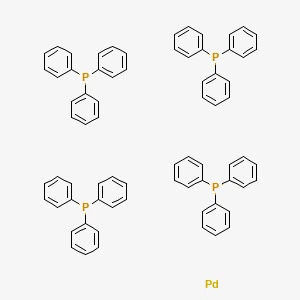

Hangzhou Leap Chem Co., Ltd. is one of the most professional manufacturers and suppliers of tetrakis(hydroxymethyl)phosphonium chloride丨cas 124-64-1 in China. Welcome to wholesale bulk high quality chemical products at competitive price from our factory. If you have any enquiry about custom service, please feel free to email us.
Specifications of Tetrakis(hydroxymethyl)phosphonium chloride丨124-64-1
|
Property |
Specification |
|
Appearance |
Clear to light yellow liquid |
|
Active Content (Titration) |
80.0% min. in water |
|
Density (25°C) |
1.320 g/ml to 1.360 g/ml |
|
Iron (Fe) |
0.001% max. |
|
Viscosity (25°C) |
15-30 cps |
|
pH |
6.0 max. |
Transport Information of Tetrakis(hydroxymethyl)phosphonium chloride丨124-64-1
|
Parameter |
Specification |
|
UN Number |
2922 |
|
Class |
|
|
Packing Group |
II |
|
H.S. Code |
2931900090999 |
|
Stability & Reactivity |
Stable |
|
Storage |
Tightly closed. Store in a closed, dry, ventilated place |
|
Condition to Avoid |
|
|
Package |
Manufacturing Information of Tetrakis(hydroxymethyl)phosphonium chloride丨124-64-1
|
Parameter |
Specification |
|
Capacity |
500MT/year |
|
Frequency |
|
|
Main Export Countries |
|
|
Capacity/Batch |
|
|
Experience |
|
|
Stock |
Introduction
Tetrakis(hydroxymethyl)phosphonium chloride丨124-64-1 is an organophosphorus compound widely used in textiles, water treatment, and the chemical industry. It is a water-soluble salt that serves as a key reagent in various industrial processes, particularly as a flame retardant and biocide.
Applications of Tetrakis(hydroxymethyl)phosphonium chloride丨124-64-1
1. Textile Industry
● Flame Retardant Treatment:
oTHPC is primarily used in the flame retardant finishing of cotton, rayon, and other cellulose-based fabrics.
oIt reacts with fabric fibers to form an insoluble polymer, reducing flammability and improving fire resistance.
● Durable Protective Clothing:
oUsed in manufacturing fire-resistant uniforms, protective gear, and upholstery fabrics.
2. Water Treatment Industry
● Biocide and Antimicrobial Agent:
oTHPC is used as a biocide in industrial water treatment, including cooling towers, oil fields, and wastewater systems.
oIt effectively controls bacterial and fungal growth, preventing biofouling and contamination.
● Sludge Control in Oil & Gas Industry:
oUsed in oil drilling and production to control the growth of sulfate-reducing bacteria, which can cause corrosion and scaling in pipelines.
3. Leather and Paper Industries
● Leather Tanning:
oTHPC is used in the tanning process to enhance the durability and anti-bacterial properties of leather.
● Paper Manufacturing:
oUsed in paper coatings to provide fungal resistance and improve the fire resistance of specialized papers.
4. Chemical Industry
● Intermediate for Phosphorus-Based Compounds:
oTHPC is used in the synthesis of tetrakis(hydroxymethyl)phosphonium sulfate (THPS), another widely used flame retardant and biocide.
● Crosslinking Agent:
oActs as a crosslinking agent in the production of resins and specialty polymers.
Benefits of Tetrakis(hydroxymethyl)phosphonium chloride丨124-64-1
1. Effective Flame Retardant
● Provides durable, wash-resistant flame resistance for fabrics, making it ideal for fireproof clothing, furniture, and industrial textiles.
2. Strong Biocidal Properties
● Controls bacteria, fungi, and algae in water treatment systems and industrial applications, preventing contamination and improving efficiency.
3. Environmentally Friendly Alternative
● Compared to some other biocides and flame retardants, THPC is less toxic and biodegradable, making it a preferred choice in eco-conscious industries.
4. Versatile Industrial Applications
● Used across multiple industries, from textiles and leather to oil and gas, showcasing its broad utility and effectiveness.
Conclusion
Tetrakis(hydroxymethyl)phosphonium chloride丨124-64-1 is a highly versatile compound widely used as a flame retardant, biocide, and industrial chemical. Its applications span textiles, water treatment, oil & gas, and leather processing, making it an essential component in fire safety, microbial control, and polymer chemistry. Its biodegradability and effectiveness make it a valuable choice in modern industrial processes.