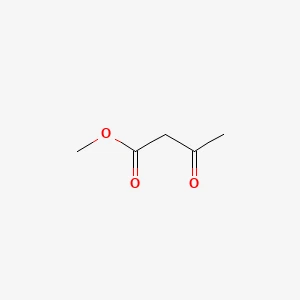
Hangzhou Leap Chem Co., Ltd. is one of the most professional manufacturers and suppliers of 3-methyl butynol丨cas 115-19-5 in China. Welcome to wholesale bulk high quality chemical products at competitive price from our factory. If you have any enquiry about custom service, please feel free to email us.
Specifications
| Appearance: | Colorless to pale yellow liquid |
| Assay: | 98% min |
| Water: | 0.5% max |
| Acetone: | 0.3% max |
Transport Information
|
Parameter |
Specification |
|
UN Number |
1987 |
|
Class |
|
|
Packing Group |
II |
|
H.S. Code |
2942000000 |
|
Stability & Reactivity |
The product is chemically stable under standard ambient conditions. |
|
Storage |
Keep container tightly closed in a dry and well ventilated place. Keep away from heat and sources of ignition. |
|
Condition to Avoid |
Warming. |
|
Package |
Applications
1. Pharmaceutical Intermediate
3-Methyl butynol is commonly used as a building block in the synthesis of pharmaceutical compounds. Its molecular structure allows for selective transformation into more complex bioactive molecules, including kinase inhibitors and antiviral agents. It participates in coupling reactions and is valuable for introducing alkyne functionality into target molecules.
2. Agrochemical Synthesis
This compound serves as a precursor in the production of herbicides, fungicides, and insecticides. It can be integrated into active ingredients or intermediates used to control pests and support agricultural productivity.
3. Fragrance and Flavor Industry
It is employed in the synthesis of terpenoids, which are widely used in perfumery and flavoring. By acting as an intermediate, it contributes to the creation of compounds like geraniol, which impart floral and fruity notes in consumer products.
4. Polymer and Silicone Industry
3-Methyl butynol acts as a polymerization inhibitor in hydrosilylation reactions, particularly in silicone rubber manufacturing. It helps control reaction kinetics and improves the stability of reactive formulations.
5. Electroplating Additive
In metal finishing processes, it is used as a brightening agent. It enhances the appearance of metal surfaces, contributing to uniform deposition and improved gloss in electroplating baths, especially for nickel and copper.
6. Solvent Stabilizer
It is added to halogenated solvents to enhance stability and extend shelf life. The compound can inhibit decomposition of sensitive formulations by acting as a scavenger or neutralizer of reactive byproducts.
7. Synthetic Building Block
Owing to its terminal alkyne and tertiary alcohol structure, 3-Methyl butynol is frequently used as a protected acetylene source in organic synthesis. The alkyne group can undergo Sonogashira, click, or hydrogenation reactions, while the tertiary alcohol can be selectively removed or transformed.
Benefits
✅ Dual Functional Groups
The presence of both an alkyne and a hydroxyl group in a single molecule makes it highly reactive and suitable for various organic transformations. This allows chemists to streamline synthesis by reducing the number of steps required.
✅ Versatile Reactivity
It can undergo reactions such as dehydration, oxidation, coupling, or hydrogenation, offering wide synthetic utility. Its reactivity supports the creation of complex molecules across several industries.
✅ High Purity Availability
Commercial supply often exceeds 98% purity, which ensures consistent performance in both research and industrial applications. High-purity grades are particularly important in pharmaceutical and electronic applications.
✅ Cost Efficiency
Its multifunctionality allows it to serve multiple roles in a formulation or synthetic pathway, reducing the need for separate reagents and lowering overall production costs.
✅ Environmental Compatibility
It has low bioaccumulation potential and is considered biodegradable under typical conditions. Its use does not generally result in persistent or bioaccumulative byproducts, which is favorable for regulatory and environmental compliance.
✅ Low Toxicity Profile
Although it is flammable and can cause eye irritation, it demonstrates low acute toxicity in standard animal studies and poses minimal long-term health risks when handled properly. Safety data indicate that it can be managed safely with standard protective measures.
Conclusion
3-Methyl butynol is a valuable and adaptable compound in modern chemistry. Its multifunctional structure enables its use across a broad range of applications, from pharmaceuticals and agriculture to materials science and fine chemicals. The compound offers both practical and economic benefits, including synthetic efficiency, low toxicity, and environmental compatibility. With proper handling, it serves as a reliable component in high-value chemical processes and commercial formulations.